

Can Technology Support Stress Relief Naturally?
  • Written by Gourav Rathore

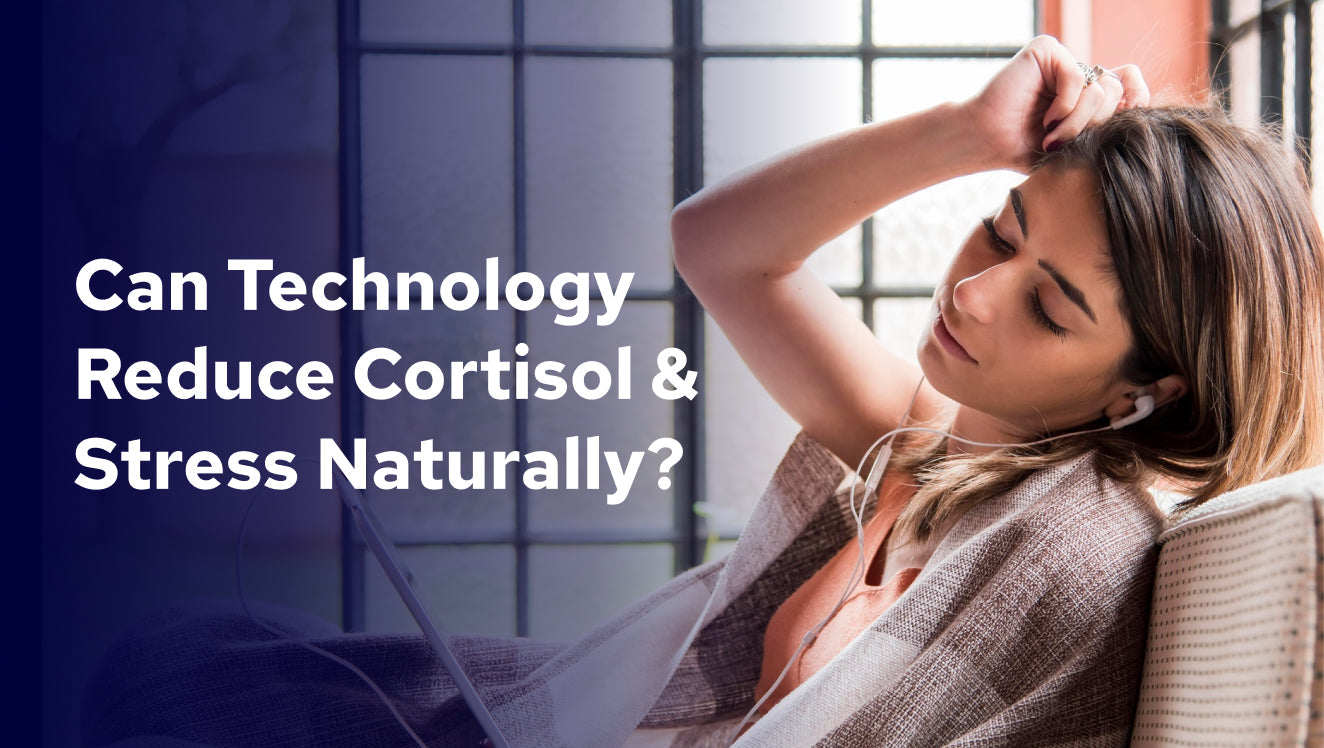
Can Technology Support Stress Relief Naturally?

Disclaimer

This content is for informational purposes only and does not constitute medical advice. Wellness technologies, including sensory light and sound devices, are designed to support relaxation and everyday well-being. They are not intended to diagnose, treat, cure, or prevent any medical or psychological condition. If you are experiencing ongoing stress or health concerns, consult a qualified professional.

Understanding Stress as a Daily Experience

Stress is not just something you feel  it’s something your body responds to.

During busy or demanding situations, your body naturally shifts into a more alert state. While this can be helpful in short bursts, long periods of stress may affect:

  • Sleep quality

  • Focus and clarity

  • Mood and emotional balance

  • Overall sense of well-being

The goal isn’t to eliminate stress completely, but to create regular moments of calm and recovery.

How the Body Responds to Stress

Your body operates through a balance of alertness and relaxation.

Two Key Modes:

  • Active Mode: Helps you respond to challenges and stay focused

  • Recovery Mode: Supports rest, calm, and reset

When stress becomes constant, it may become harder to shift back into a relaxed state. This is where intentional relaxation routines can be helpful.

What Is Stress Relief Technology?

Stress relief technology refers to tools designed to support relaxation through sensory and lifestyle experiences, such as:

  • Rhythmic light and sound patterns

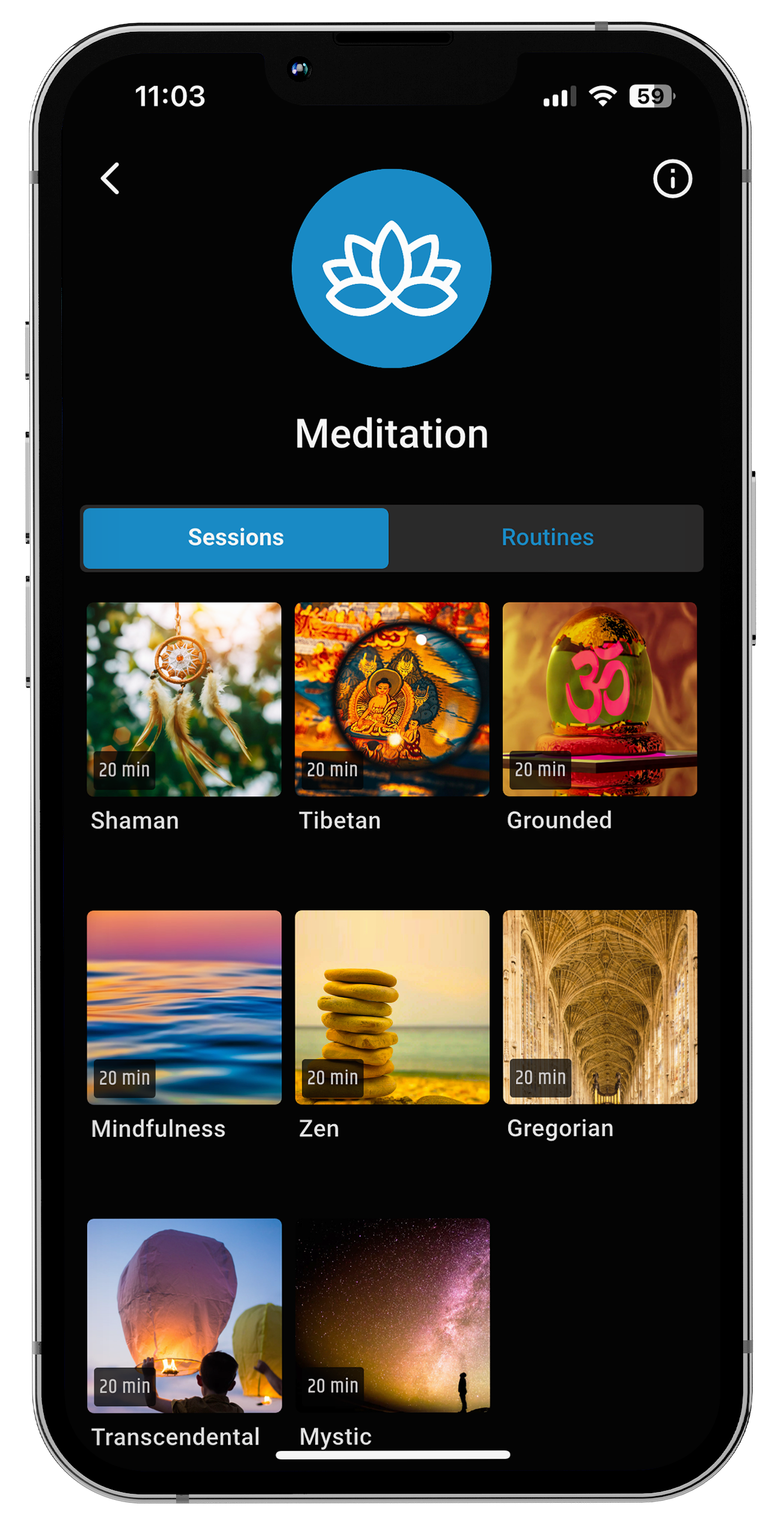
  • Guided relaxation sessions

  • Immersive sensory environments

  • Breathing and mindfulness support

These tools are often used as part of daily wellness routines, especially by people looking for structured ways to unwind.

Can Technology Help You Relax?

Modern wellness devices are not designed as medical solutions, but they may help create conditions that support relaxation.

How They May Help:

  • Encourage moments of calm

  • Support focus during mindfulness sessions

  • Help you disconnect from daily overstimulation

  • Promote consistency in relaxation routines

The key idea is simple:
When your environment becomes calmer, your experience often follows.

Light & Sound Experiences in Relaxation

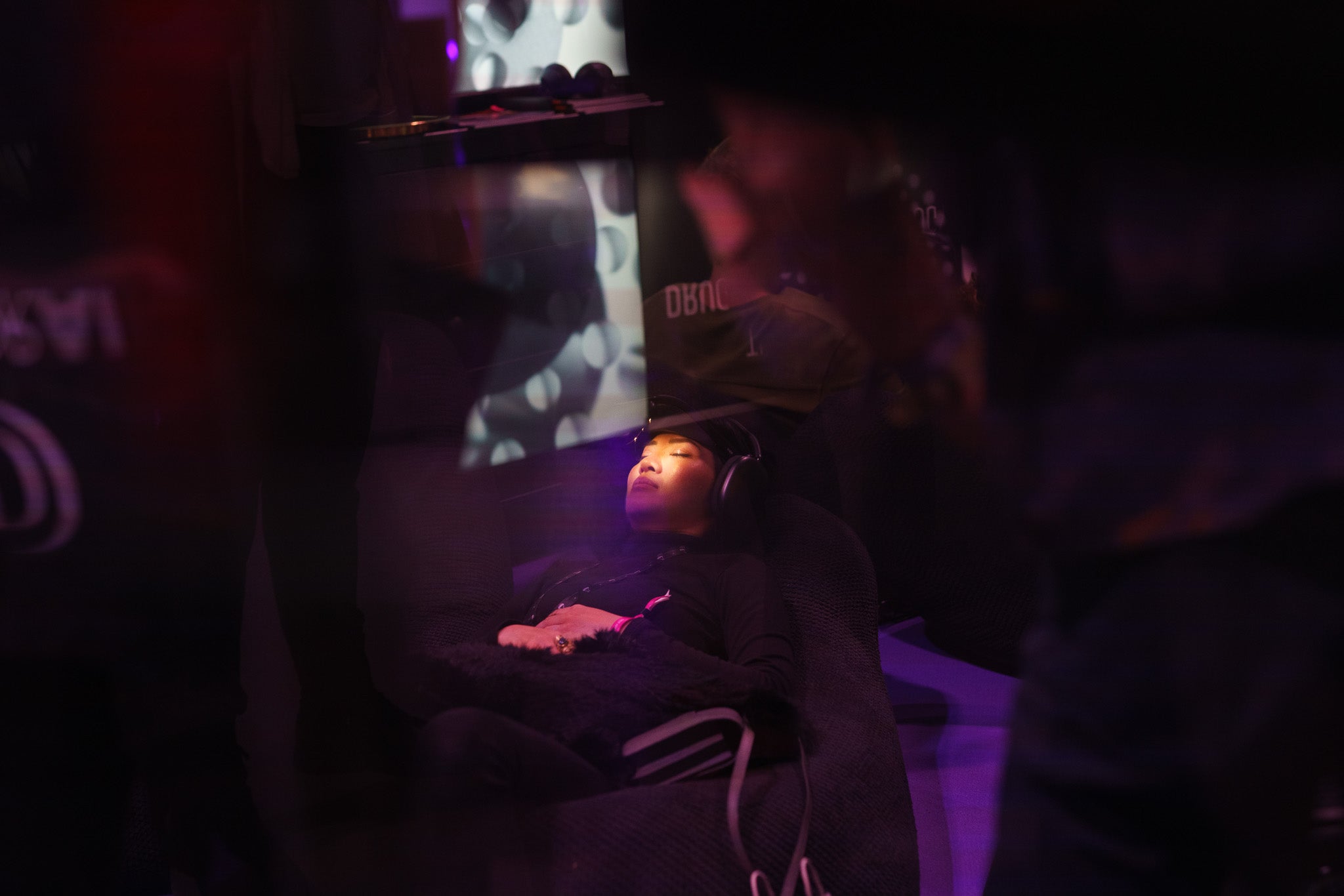
Some devices use rhythmic light and sound patterns to create immersive sensory experiences.

These experiences are often associated with:

  • Relaxed attention

  • Calm awareness

  • Meditation-like environments

While individual experiences vary, many users describe these sessions as a way to pause, reset, and step away from mental noise.

Do These Tools Replace Other Stress Strategies?

No and it’s important to be clear about this.

Wellness technologies are best used as supportive tools, not replacements.

They May Support:

  • Relaxation routines

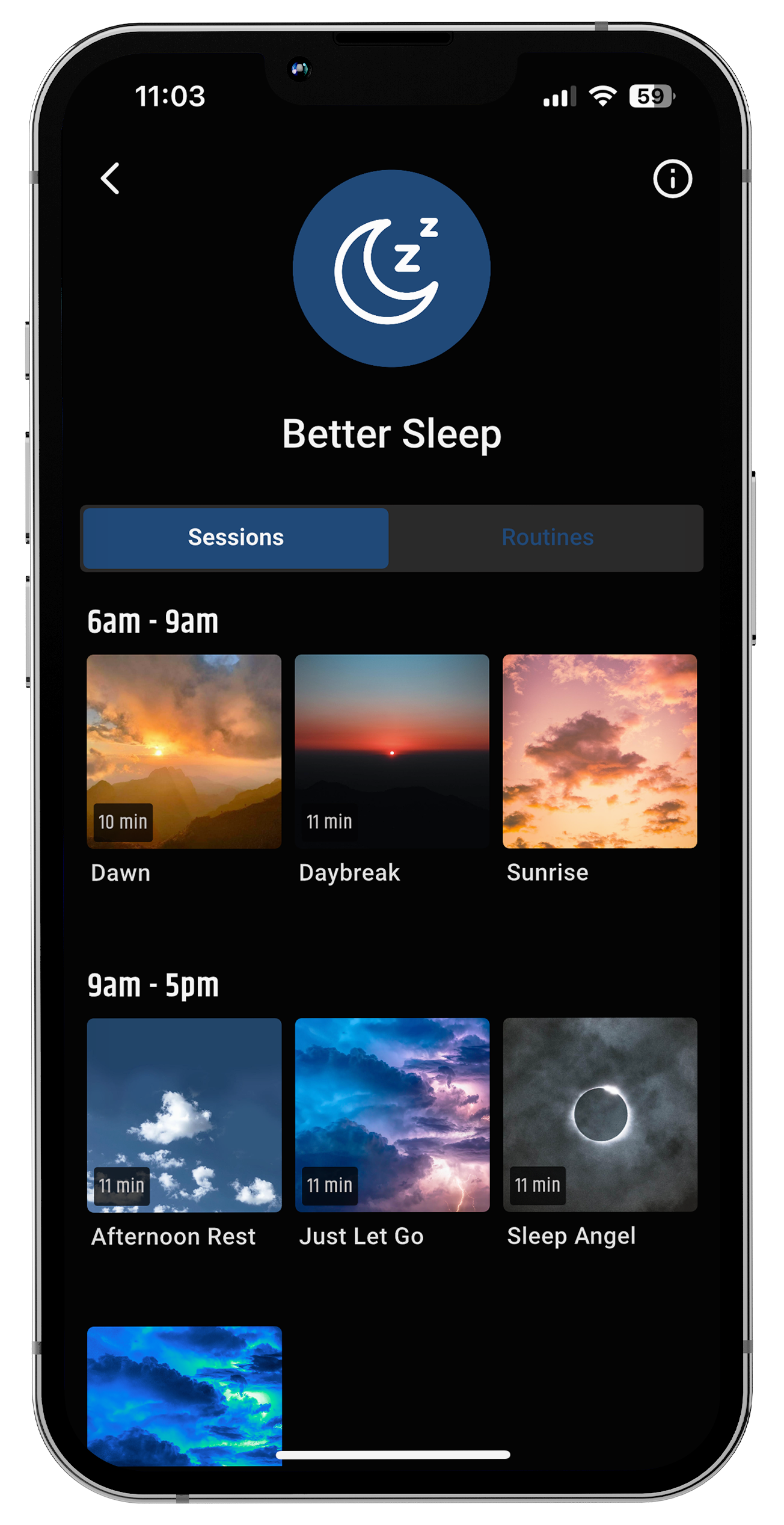
  • Sleep preparation

  • Mindfulness practices

They Do Not:

  • Replace professional care

  • Act as medical treatments

  • Provide guaranteed results

Who Can Benefit From These Tools?

These tools may be useful for people who:

  • Have demanding work schedules

  • Want structured relaxation routines

  • Find it difficult to “switch off” mentally

  • Are exploring non-medication wellness approaches

  • Want to build consistent mindfulness habits

How to Choose a Safe Relaxation Device

If you’re considering a device, look for:

  • Clear wellness positioning (not exaggerated claims)

  • Transparent usage and safety guidelines

  • Adjustable settings for comfort

  • A focus on relaxation and sensory experience

Avoid devices that promise:

  • Instant results

  • Guaranteed outcomes

  • Medical or therapeutic effects

The Bigger Picture: Stress Is About Daily Habits

Long-term well-being is shaped by multiple factors, including:

  • Sleep routines

  • Physical activity

  • Light exposure

  • Mental habits

  • Social connection

Technology can support these  but it works best as part of a balanced lifestyle.

Where Devices Like neuroVIZR Fit In

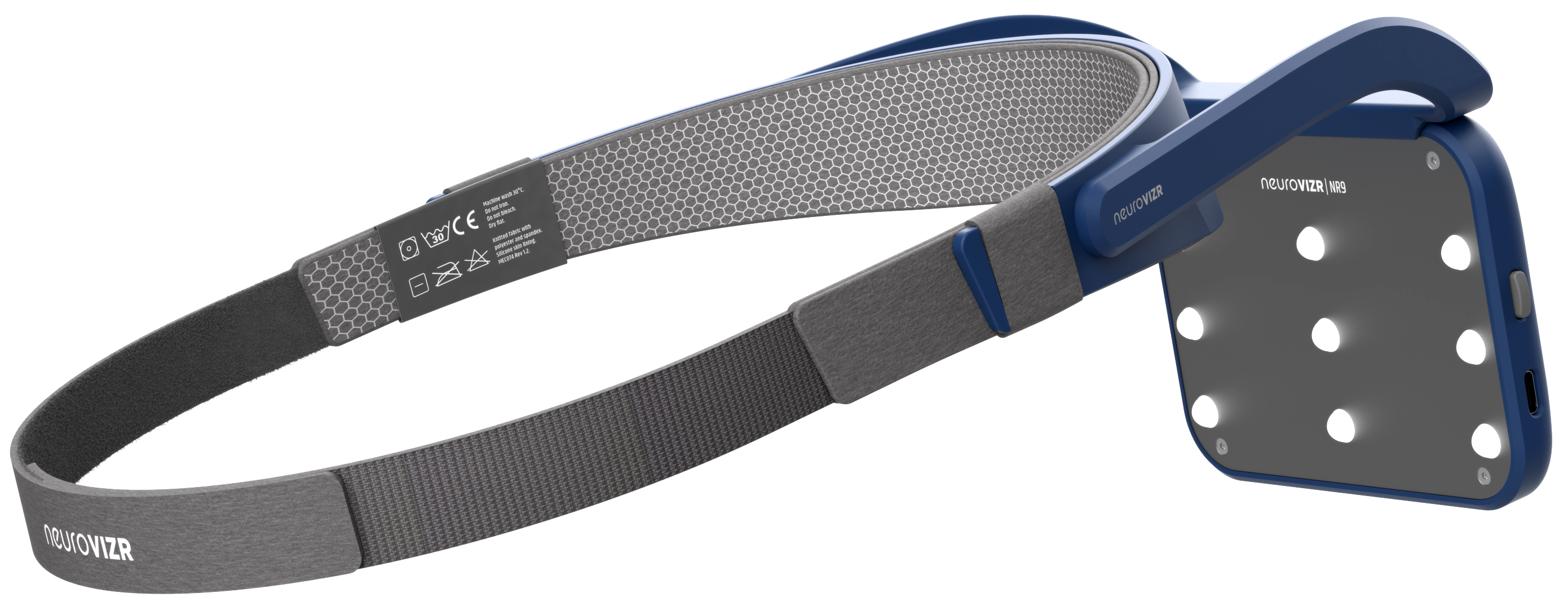
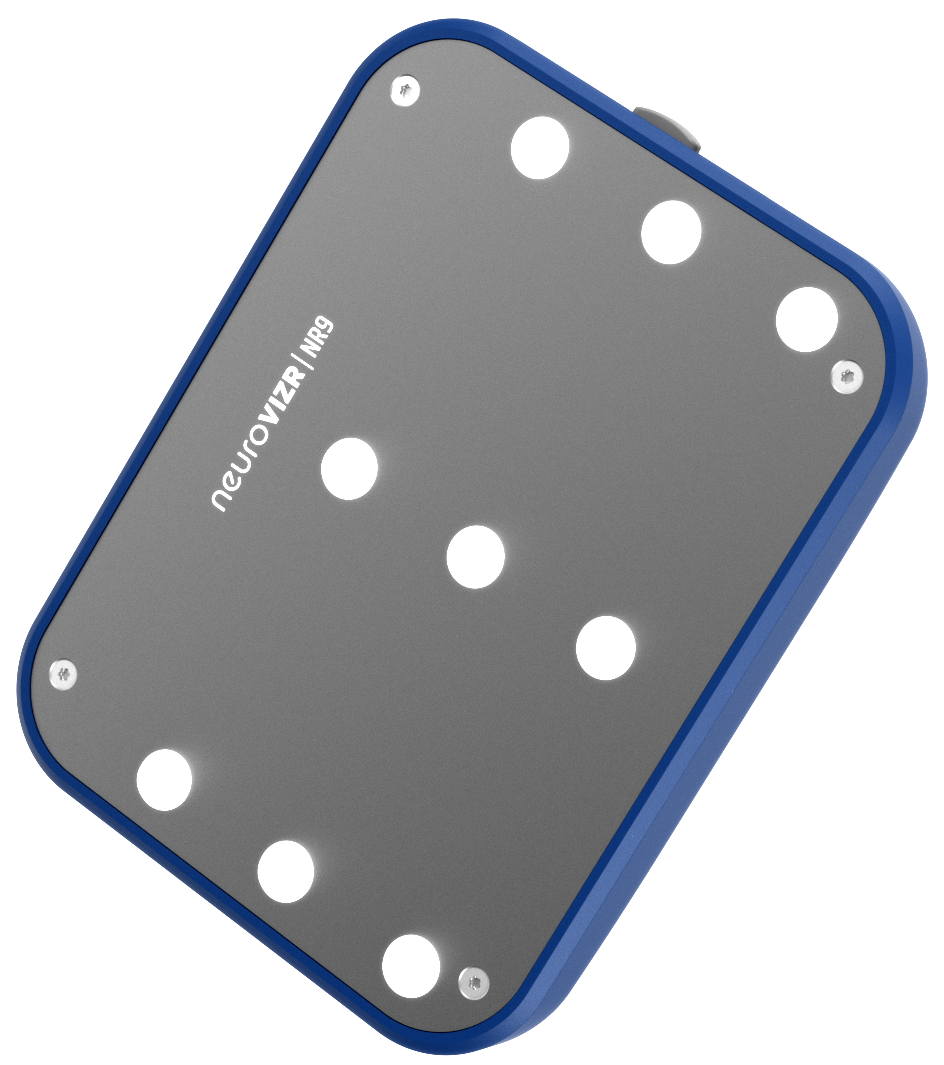
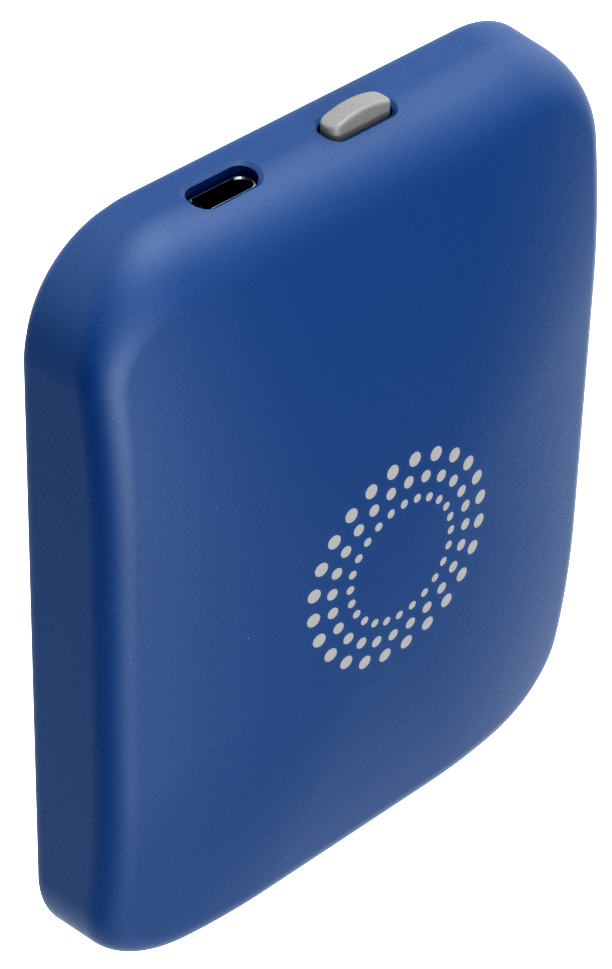
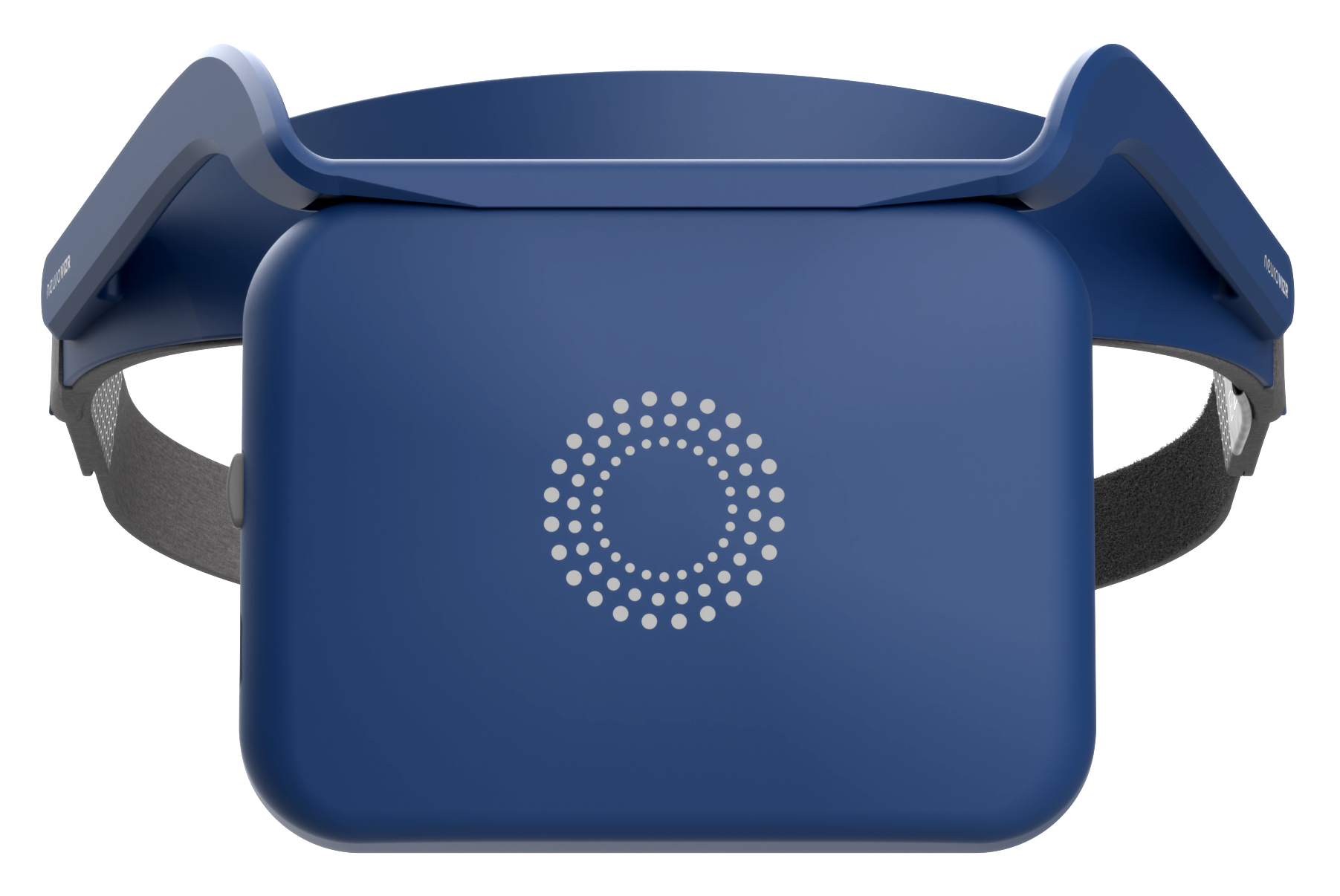
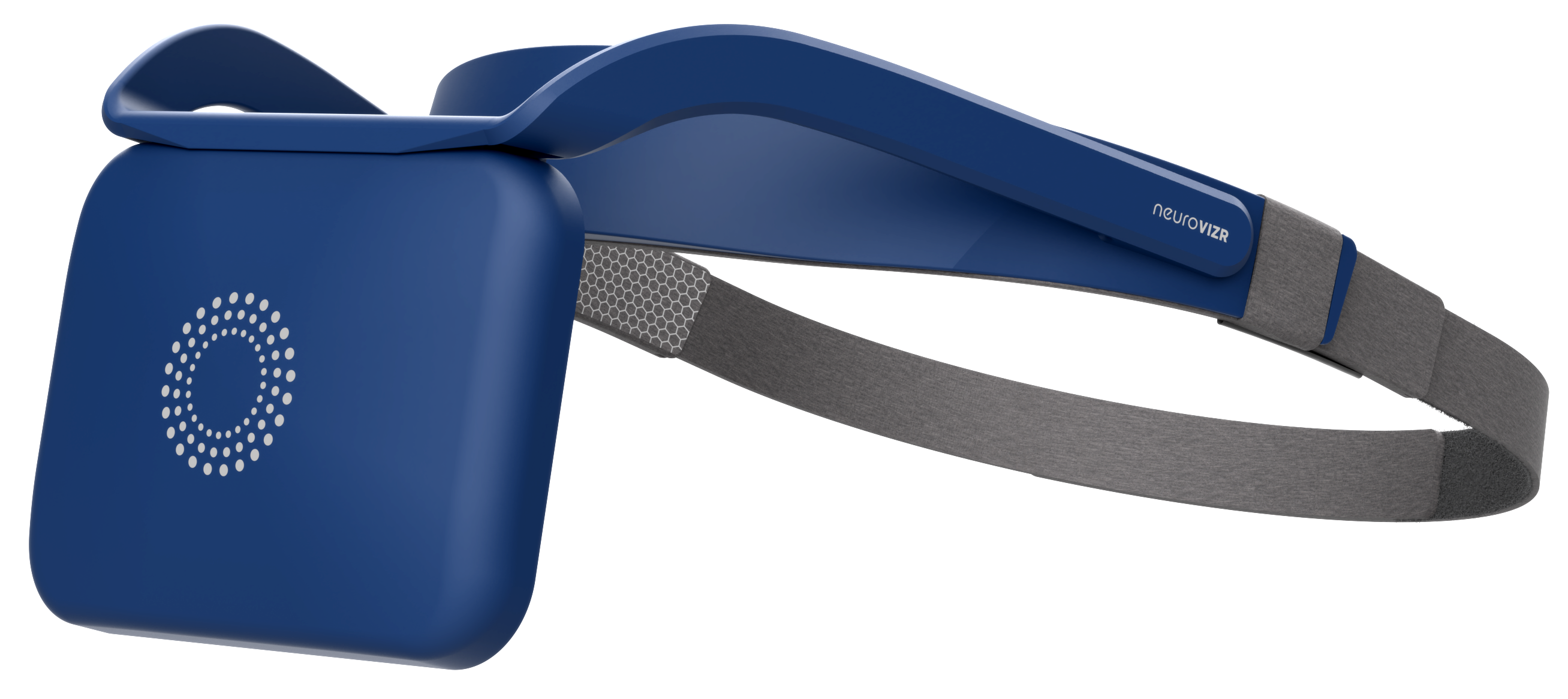
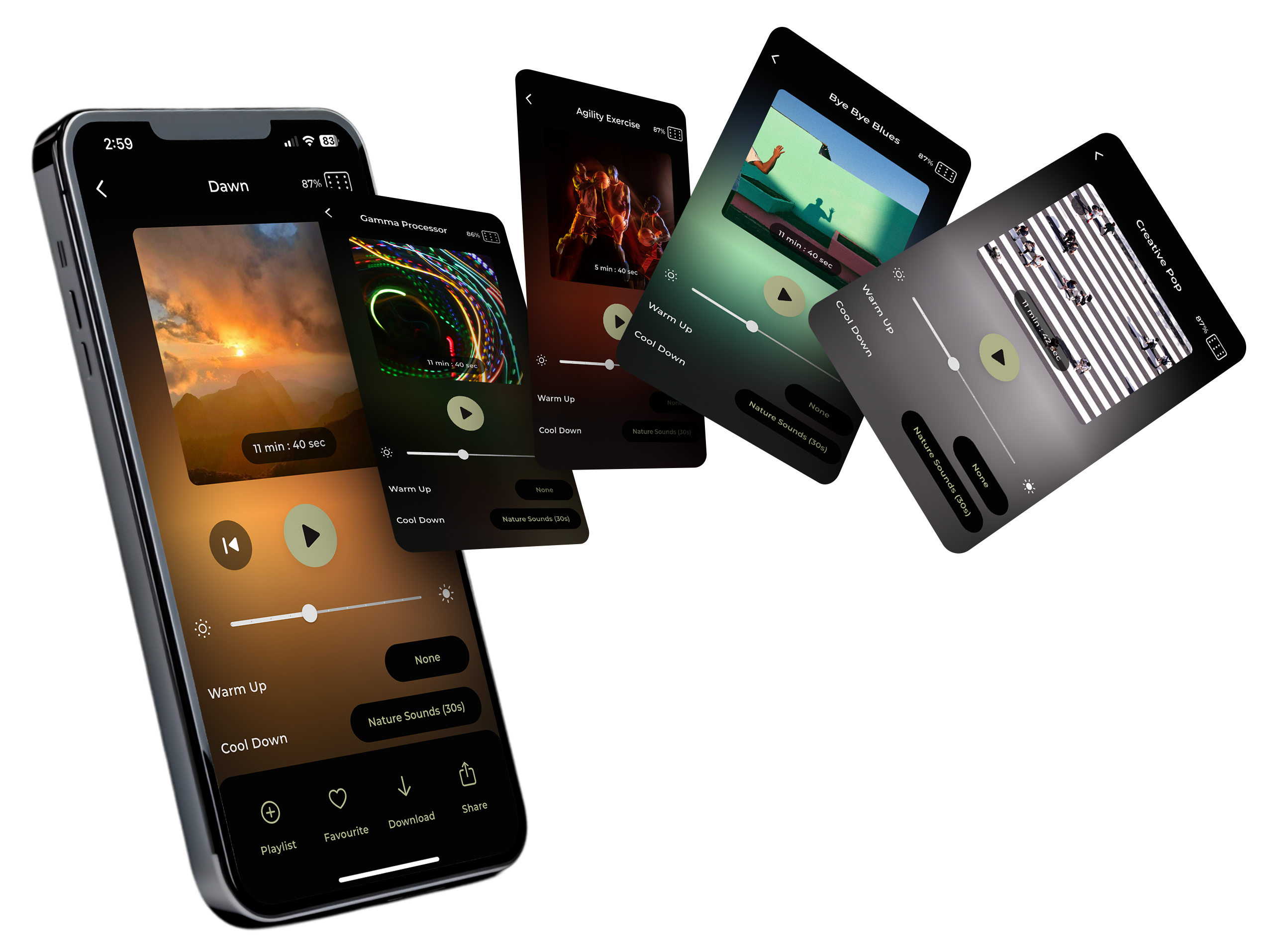
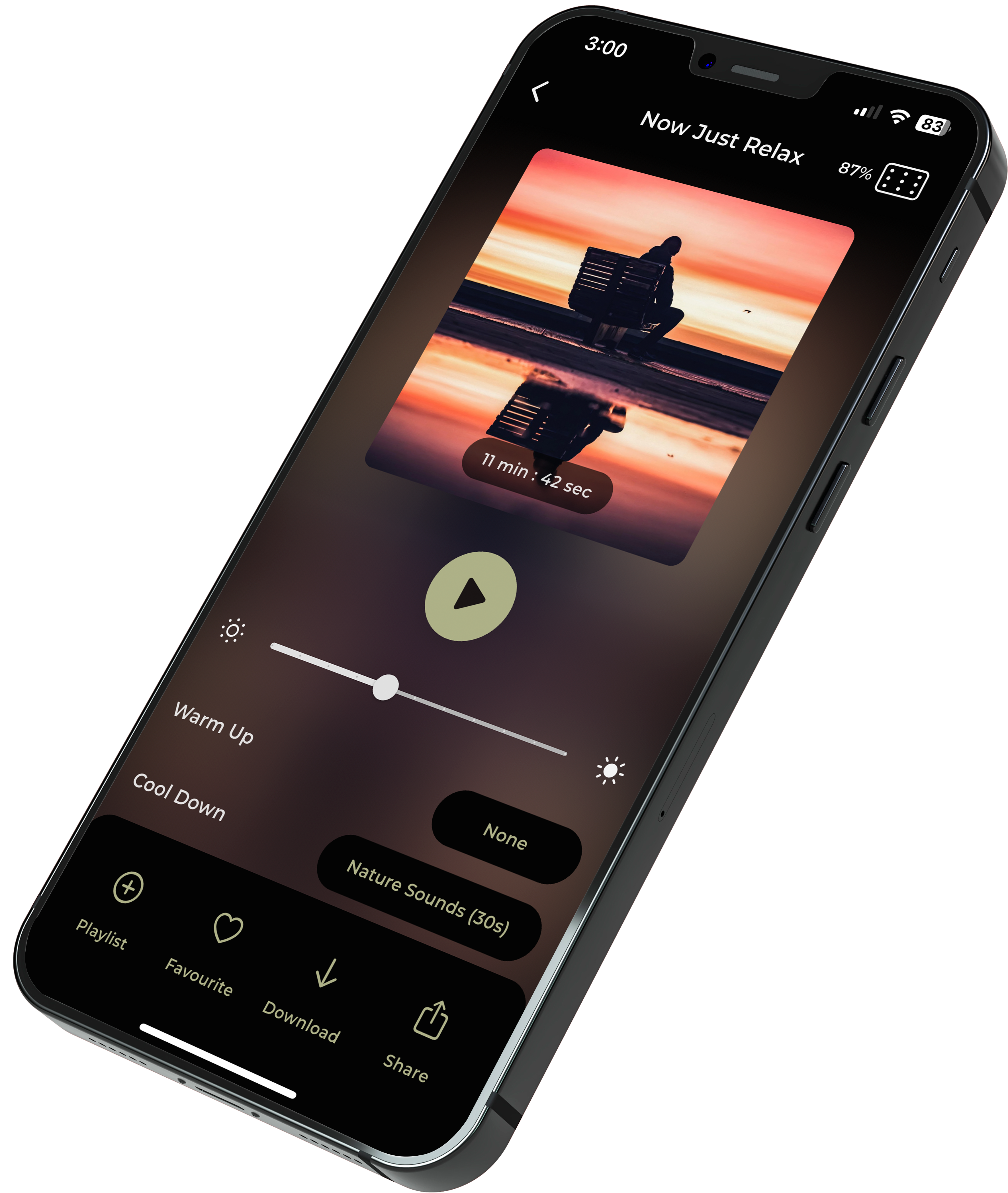
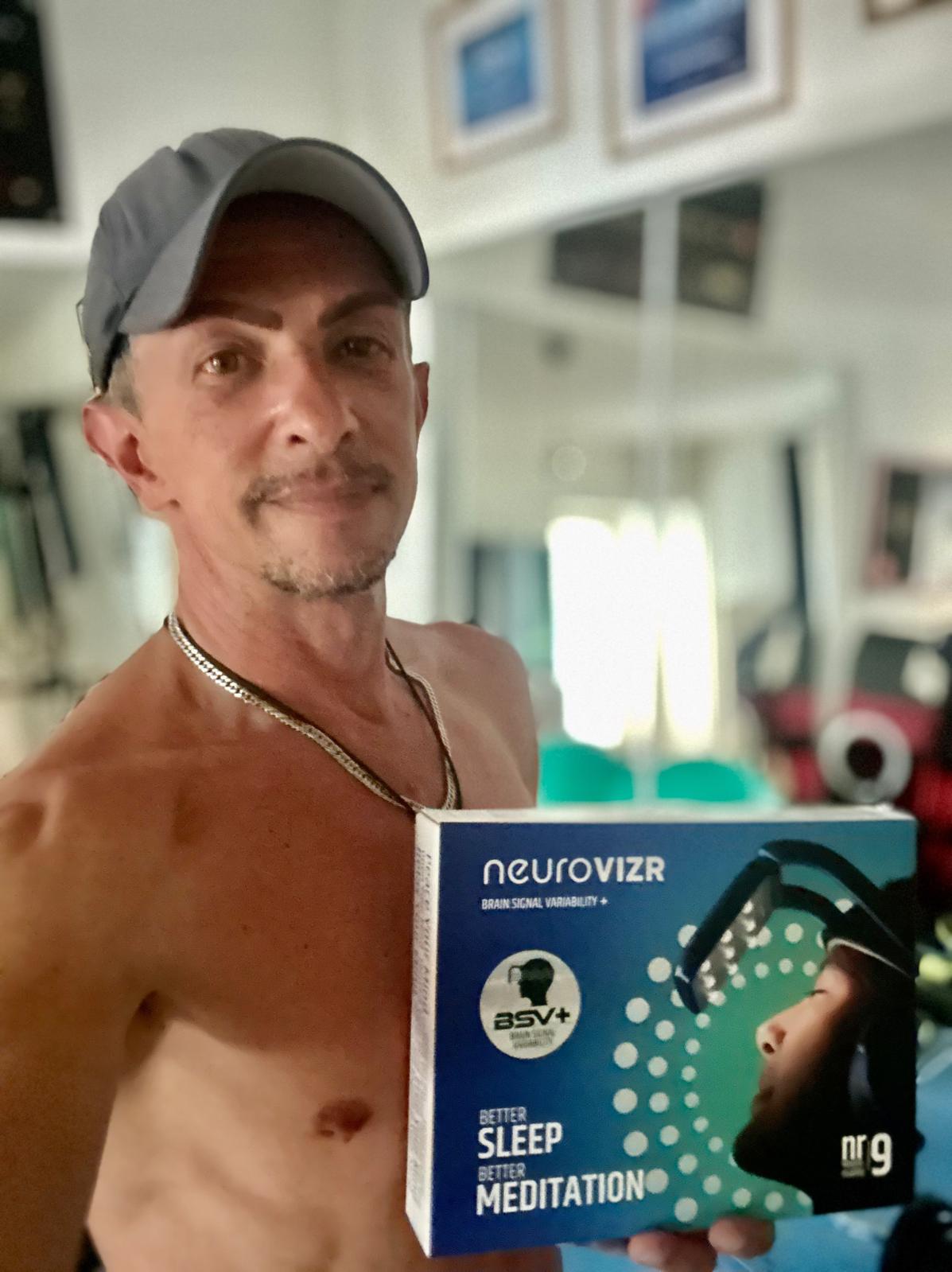
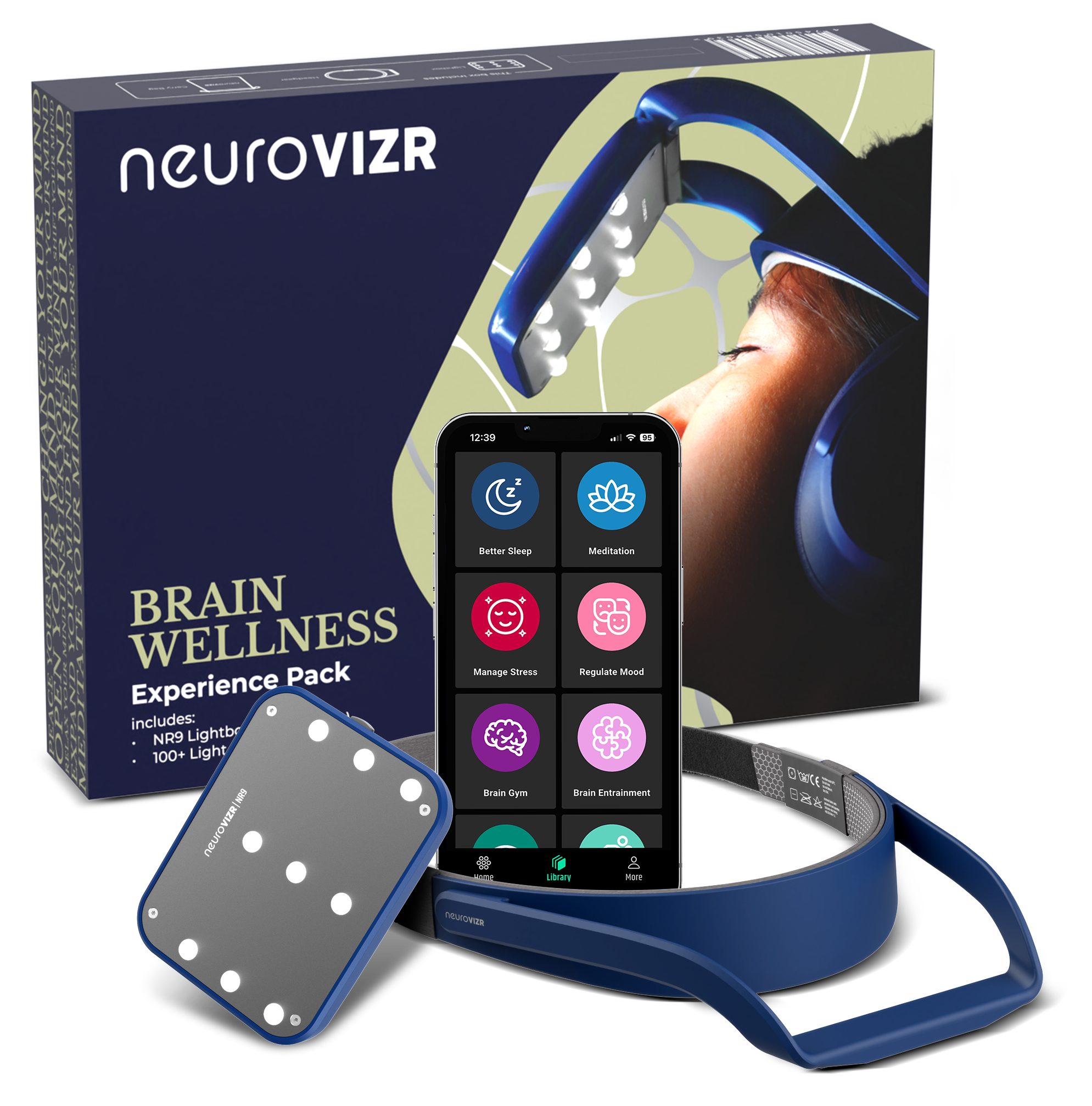
Devices that use structured light and sound patterns, such as neuroVIZR, create immersive sensory experiences often associated with relaxation and focused attention.

They are designed as wellness tools that may help users:

  • Step away from daily overstimulation

  • Create intentional relaxation time

  • Build consistent mindfulness routines

Rather than acting as treatments, they can be seen as practical tools for supporting moments of calm.

Final Thoughts

Technology is not a quick fix for stress  but it can be a helpful addition to your routine.

When used intentionally, relaxation-focused tools may:

  • Support calm and focus

  • Encourage better daily rhythms

  • Help create space for recovery

The most effective approach combines:

  • Healthy routines

  • Mindful habits

  • And supportive tools that fit your lifestyle

Frequently Asked Questions (FAQ)

1. Can technology help with stress relief?

Some wellness tools are designed to create calming environments and support relaxation routines. Experiences may vary from person to person.

2. Are relaxation devices a replacement for professional care?

No. These tools are intended for general wellness and should not replace professional guidance when needed.

3. What is a simple way to start a relaxation routine?

You can begin with short daily sessions that include quiet time, reduced screen exposure, and calming sensory experiences.

4. Are sensory light and sound devices safe?

Most non-invasive devices are considered safe when used as directed. If you have specific health concerns, it’s best to seek professional advice.

5. How long should relaxation sessions be?

Many people start with short sessions (10–15 minutes) and adjust based on personal comfort and routine.

Disclaimer

This content is for informational purposes only and does not constitute medical advice. Wellness technologies, including sensory light and sound devices, are designed to support relaxation and everyday well-being. They are not intended to diagnose, treat, cure, or prevent any medical or psychological condition. If you are experiencing ongoing stress or health concerns, consult a qualified professional.

Understanding Stress as a Daily Experience

Stress is not just something you feel  it’s something your body responds to.

During busy or demanding situations, your body naturally shifts into a more alert state. While this can be helpful in short bursts, long periods of stress may affect:

  • Sleep quality

  • Focus and clarity

  • Mood and emotional balance

  • Overall sense of well-being

The goal isn’t to eliminate stress completely, but to create regular moments of calm and recovery.

How the Body Responds to Stress

Your body operates through a balance of alertness and relaxation.

Two Key Modes:

  • Active Mode: Helps you respond to challenges and stay focused

  • Recovery Mode: Supports rest, calm, and reset

When stress becomes constant, it may become harder to shift back into a relaxed state. This is where intentional relaxation routines can be helpful.

What Is Stress Relief Technology?

Stress relief technology refers to tools designed to support relaxation through sensory and lifestyle experiences, such as:

  • Rhythmic light and sound patterns

  • Guided relaxation sessions

  • Immersive sensory environments

  • Breathing and mindfulness support

These tools are often used as part of daily wellness routines, especially by people looking for structured ways to unwind.

Can Technology Help You Relax?

Modern wellness devices are not designed as medical solutions, but they may help create conditions that support relaxation.

How They May Help:

  • Encourage moments of calm

  • Support focus during mindfulness sessions

  • Help you disconnect from daily overstimulation

  • Promote consistency in relaxation routines

The key idea is simple:
When your environment becomes calmer, your experience often follows.

Light & Sound Experiences in Relaxation

Some devices use rhythmic light and sound patterns to create immersive sensory experiences.

These experiences are often associated with:

  • Relaxed attention

  • Calm awareness

  • Meditation-like environments

While individual experiences vary, many users describe these sessions as a way to pause, reset, and step away from mental noise.

Do These Tools Replace Other Stress Strategies?

No and it’s important to be clear about this.

Wellness technologies are best used as supportive tools, not replacements.

They May Support:

  • Relaxation routines

  • Sleep preparation

  • Mindfulness practices

They Do Not:

  • Replace professional care

  • Act as medical treatments

  • Provide guaranteed results

Who Can Benefit From These Tools?

These tools may be useful for people who:

  • Have demanding work schedules

  • Want structured relaxation routines

  • Find it difficult to “switch off” mentally

  • Are exploring non-medication wellness approaches

  • Want to build consistent mindfulness habits

How to Choose a Safe Relaxation Device

If you’re considering a device, look for:

  • Clear wellness positioning (not exaggerated claims)

  • Transparent usage and safety guidelines

  • Adjustable settings for comfort

  • A focus on relaxation and sensory experience

Avoid devices that promise:

  • Instant results

  • Guaranteed outcomes

  • Medical or therapeutic effects

The Bigger Picture: Stress Is About Daily Habits

Long-term well-being is shaped by multiple factors, including:

  • Sleep routines

  • Physical activity

  • Light exposure

  • Mental habits

  • Social connection

Technology can support these  but it works best as part of a balanced lifestyle.

Where Devices Like neuroVIZR Fit In

Devices that use structured light and sound patterns, such as neuroVIZR, create immersive sensory experiences often associated with relaxation and focused attention.

They are designed as wellness tools that may help users:

  • Step away from daily overstimulation

  • Create intentional relaxation time

  • Build consistent mindfulness routines

Rather than acting as treatments, they can be seen as practical tools for supporting moments of calm.

Final Thoughts

Technology is not a quick fix for stress  but it can be a helpful addition to your routine.

When used intentionally, relaxation-focused tools may:

  • Support calm and focus

  • Encourage better daily rhythms

  • Help create space for recovery

The most effective approach combines:

  • Healthy routines

  • Mindful habits

  • And supportive tools that fit your lifestyle

Frequently Asked Questions (FAQ)

1. Can technology help with stress relief?

Some wellness tools are designed to create calming environments and support relaxation routines. Experiences may vary from person to person.

2. Are relaxation devices a replacement for professional care?

No. These tools are intended for general wellness and should not replace professional guidance when needed.

3. What is a simple way to start a relaxation routine?

You can begin with short daily sessions that include quiet time, reduced screen exposure, and calming sensory experiences.

4. Are sensory light and sound devices safe?

Most non-invasive devices are considered safe when used as directed. If you have specific health concerns, it’s best to seek professional advice.

5. How long should relaxation sessions be?

Many people start with short sessions (10–15 minutes) and adjust based on personal comfort and routine.

Enhance Your Mental Clarity With neuroVIZR