


Disclaimer
This content is for informational purposes only and does not constitute medical advice. Individual experiences may vary. If you have concerns about your health or ongoing symptoms, please consult a qualified healthcare professional. neuroVIZR products and content are designed to support general wellness and relaxation.
Have you ever experienced sudden waves of unease, restlessness, or overwhelm without a clear reason?
For many people, these feelings are not only influenced by thoughts or external situations. They may also be connected to natural changes in the body’s internal rhythms.
Understanding this connection can help shift the way we experience anxiety—from something confusing or frustrating to something we can approach with awareness and care.
Understanding the Body–Mind Connection
The body communicates through internal signals that influence how we feel, think, and respond to everyday situations.
At times, natural fluctuations in the body can shape emotional experiences such as:
-
Feeling more sensitive or reactive
-
Changes in energy levels
-
Difficulty unwinding or relaxing
-
Periods of restlessness or tension
These experiences are often part of the body’s natural rhythms rather than something “wrong.”
Common Patterns People Notice
Many people report that emotional changes tend to appear during certain phases or situations, such as:
-
Times of increased daily pressure or busy schedules
-
Changes in sleep patterns
-
Lifestyle transitions or routine disruptions
-
Monthly cycles or life-stage transitions
-
Periods of physical or mental fatigue
Recognising these patterns can help bring more clarity and reduce self-blame.
A New Way to Look at Anxiety
Instead of viewing anxiety as something to fight, it can sometimes be helpful to see it as a signal.
It may be the body’s way of asking for:
-
Rest or recovery
-
A slower pace
-
More consistent routines
-
Moments of calm and balance
This shift in perspective from control to awareness can make emotional experiences feel more manageable.
Supporting Calm Through Daily Routines
While we cannot always control internal changes, we can create supportive environments and habits that encourage relaxation.
1. Create Consistent Daily Rhythms
Simple structure can help the body feel more balanced:
-
Wake up and sleep at similar times
-
Eat regularly throughout the day
-
Spend time in natural light when possible
2. Encourage Gentle Relaxation Moments
Rather than forcing yourself to relax, try creating small, calming experiences:
-
Slow breathing with longer exhales
-
Light stretching or short walks
-
Quiet time with soft lighting or calming sounds
3. Reduce Overstimulation
Busy routines can make it harder to unwind:
-
Take short breaks during the day
-
Limit constant multitasking
-
Create a wind-down routine in the evening
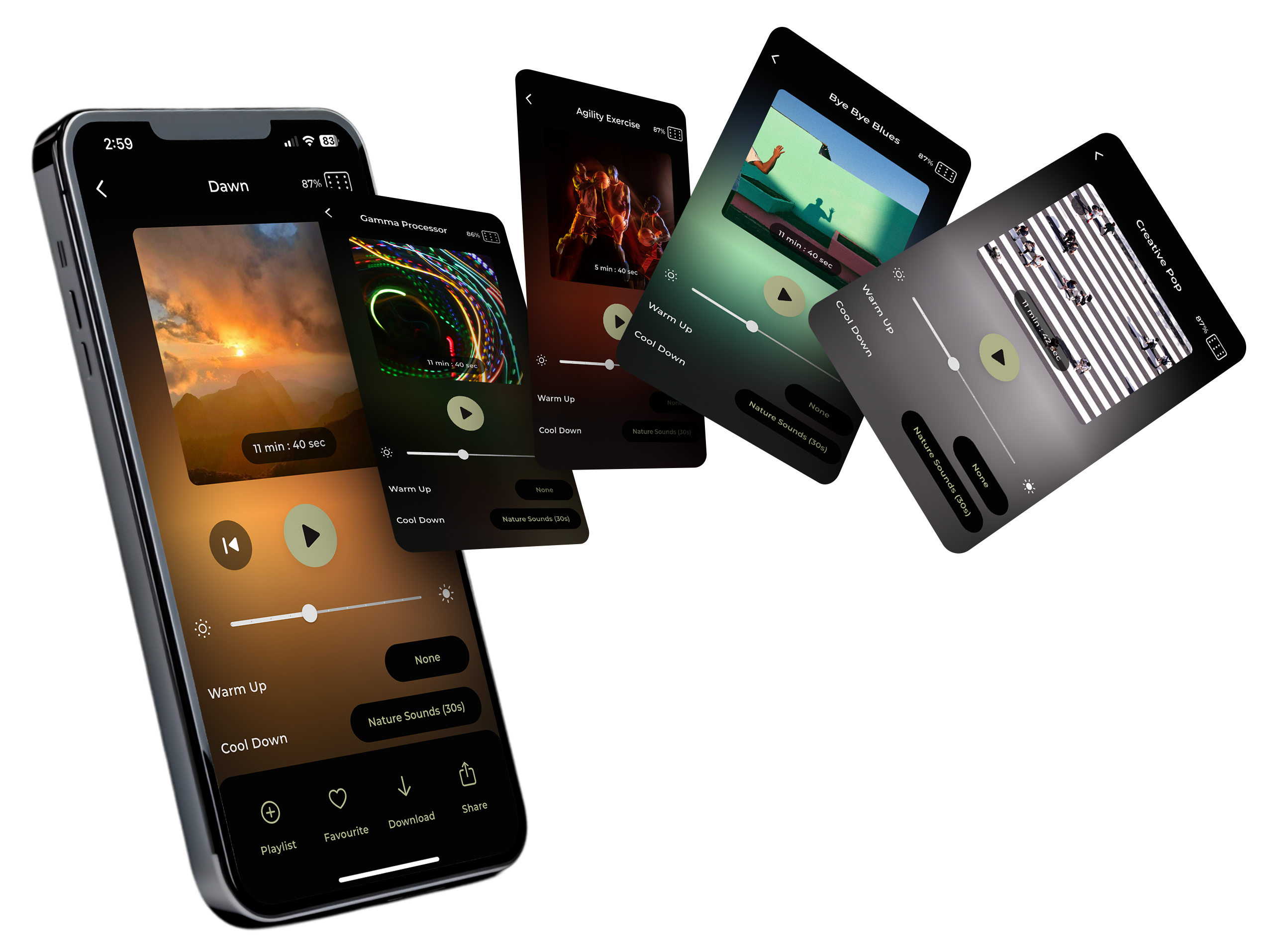
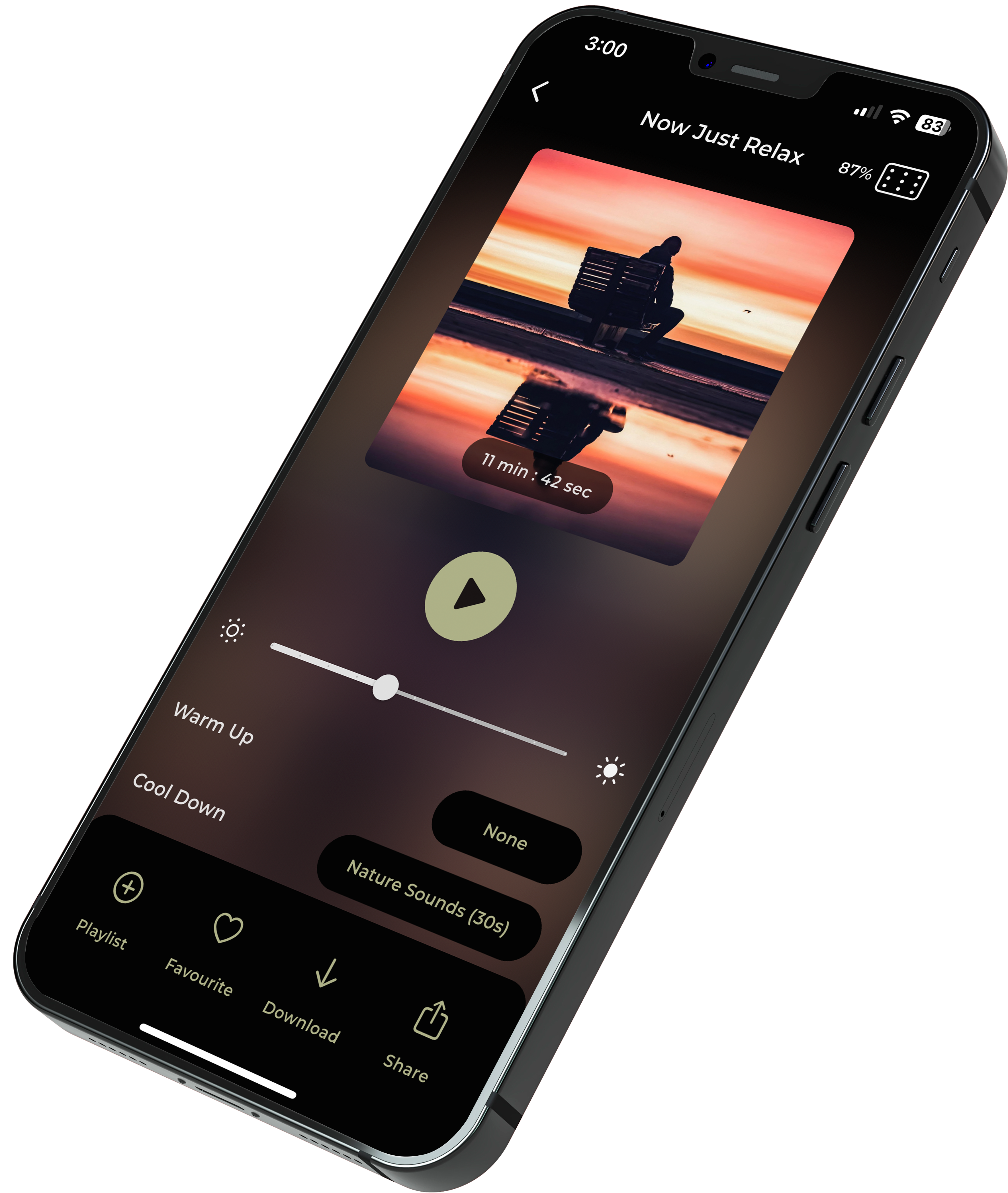
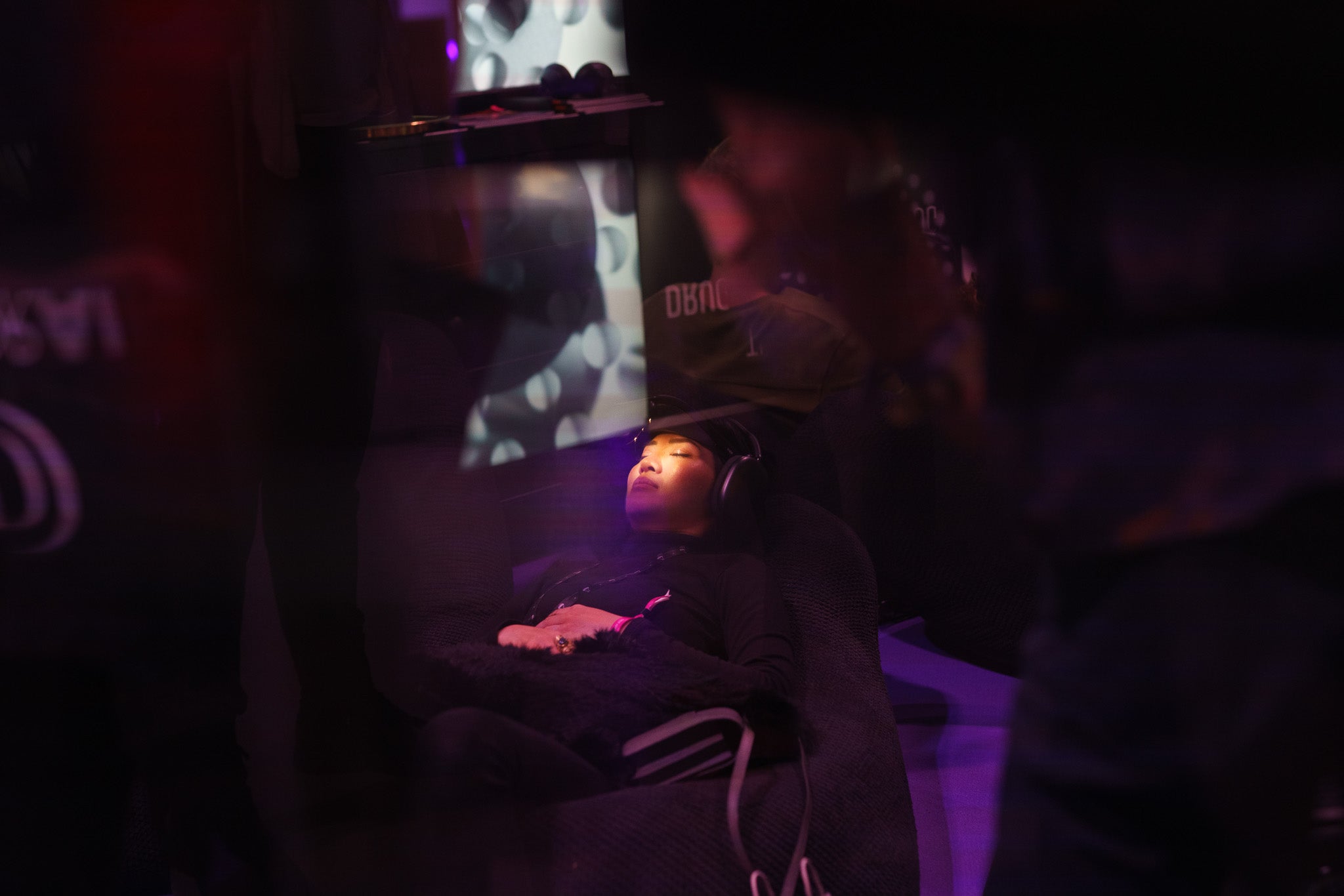
4. Explore Sensory-Based Relaxation
Some people find comfort in immersive sensory environments, such as:
-
Soft light and calming visuals
-
Gentle sound patterns or music
-
Quiet, distraction-free spaces
These experiences can support moments of calm and focused attention.
How Awareness Can Change Your Experience
When emotional changes are misunderstood, they can feel overwhelming.
But when you begin to notice patterns and respond with supportive habits, a different experience can emerge:
-
Greater self-understanding
-
Less frustration or self-judgment
-
More ease in navigating emotional ups and downs
Instead of asking:
“Why do I feel like this?”
You might begin asking:
“What might help me feel more balanced right now?”
Conclusion
Emotional ups and downs are often part of the body’s natural rhythm. By creating supportive routines, reducing overstimulation, and allowing space for relaxation, it becomes easier to navigate these moments with more clarity and calm.
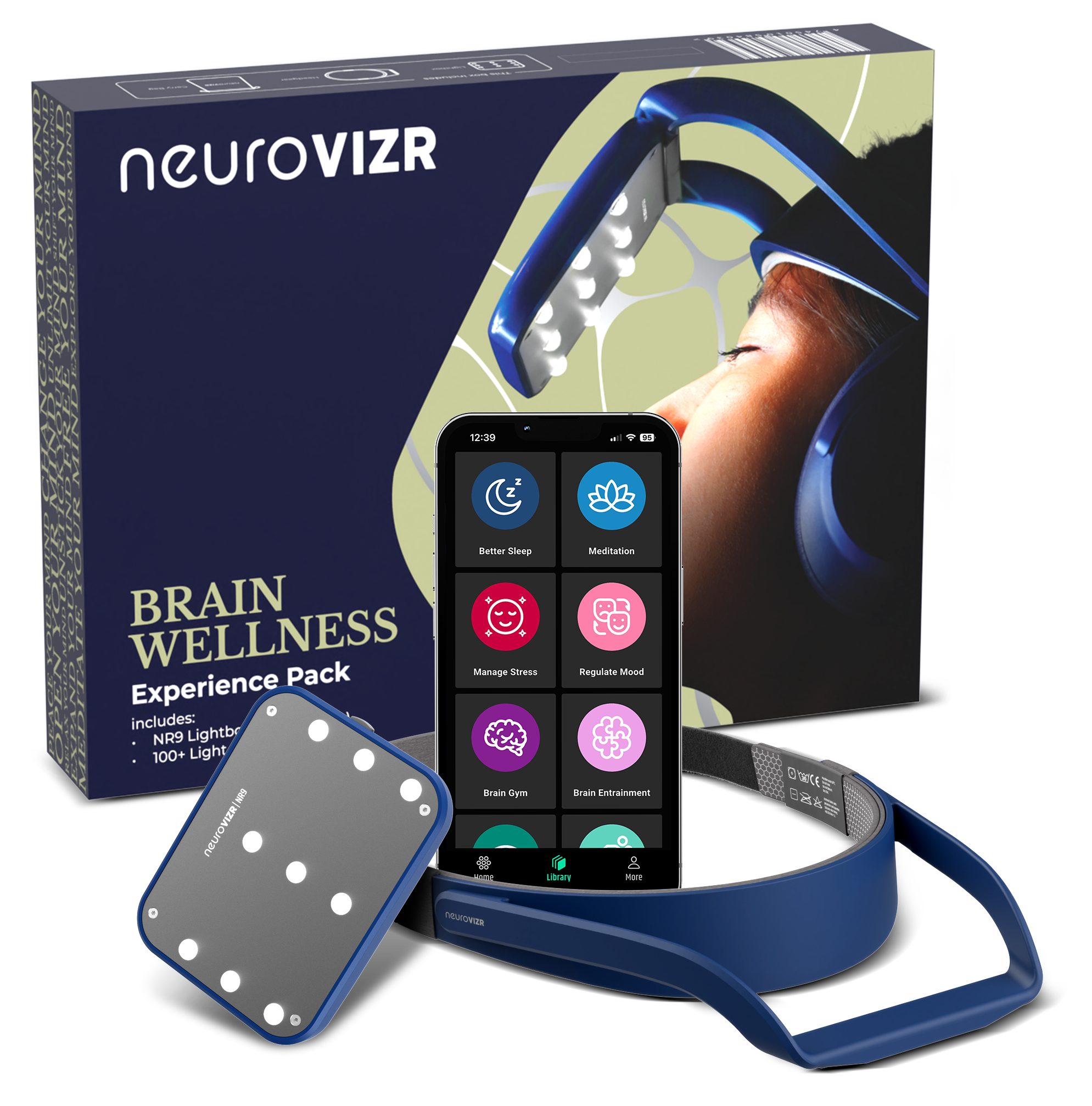
At neuroVIZR, we focus on sensory light and sound experiences designed to support relaxation, mindfulness, and moments of calm in everyday life.
Key Takeaways
-
Emotional changes can be influenced by natural internal rhythms
-
Awareness of patterns can reduce confusion and self-blame
-
Consistent daily routines support balance and stability
-
Gentle relaxation practices can help create calm moments
-
Sensory experiences may support mindfulness and relaxation
Reflection Prompt
When do you notice shifts in your mood or energy and what small action could help you create a moment of calm during those times?
FAQs
1. What is hormone-related anxiety?
Hormone-related anxiety refers to emotional changes that may occur alongside natural shifts in the body. These changes can influence how a person experiences stress, restlessness, or sensitivity at different times.
2. When do people usually notice these emotional changes?
Many people notice these patterns during times of routine changes, increased stress, or natural life transitions. These experiences can vary from person to person.
3. How can I support relaxation during these phases?
Helpful approaches may include:
-
Maintaining a consistent daily routine
-
Getting enough rest
-
Practicing gentle movement
-
Creating calming sensory environments
4. Can lifestyle habits make a difference?
Yes, simple lifestyle habits such as regular sleep, balanced routines, and taking breaks can support overall well-being and help create moments of calm.
5. Are sensory experiences useful for relaxation?
Some people find that sensory light and sound experiences can help them unwind, focus, and enjoy moments of calm as part of their daily routine.











Share:
Can Technology Support Stress Relief Naturally?
How Long on a Treadmill for a Stress Test? Duration, Process & What to Expect