


If you’ve ever felt waves of anxiety that seem to come from nowheretight chest, racing thoughts, sudden overwhelm -- you might have wondered, “Why does this keep happening to me?”
For many people, anxiety isn’t only psychological. It can be deeply connected to the body’s hormonal rhythms. Shifts in estrogen, progesterone, cortisol, or thyroid hormones can quietly reshape how the brain processes stress, safety, and emotion.
What’s important to understand is this:
Hormone-related anxiety is not a personal weakness or a lack of coping skills. It’s often a biological signal that your internal systems are out of balance. And when you understand the brain–hormone connection, anxiety starts to make more sense and feel more manageable.

The Brain–Hormone Connection
Hormones are chemical messengers that travel through the bloodstream and influence how organs including the brain function. Certain hormones directly affect the emotional centres of the brain, especially:
-
Amygdala: The brain’s alarm system, responsible for detecting threats.
-
Prefrontal cortex: The area that helps regulate emotions and make rational decisions.
-
Hippocampus: The memory and emotional context centre.
When hormones fluctuate, these areas can become more reactive or less regulated.
Key hormones linked to anxiety
Estrogen
Estrogen supports serotonin and dopamine, two neurotransmitters that influence mood and motivation. When estrogen drops during PMS, postpartum, or perimenopause people often experience:
-
Increased anxiety
-
Mood swings
-
Irritability
-
Sleep disturbances
Progesterone
Progesterone has a calming, GABA-supporting effect on the brain. But when levels fall or fluctuate, the nervous system can feel more alert or restless.
Cortisol
Known as the stress hormone, cortisol prepares the body for action. Chronic stress keeps cortisol elevated, which can lead to:
-
Constant tension
-
Racing thoughts
-
Fatigue combined with anxiety
-
Difficulty relaxing
Thyroid hormones
An overactive thyroid (hyperthyroidism) can speed up the body’s systems, creating symptoms similar to anxiety:
-
Rapid heartbeat
-
Restlessness
-
Nervousness
-
Trouble sleeping
Common Situations Where Hormonal Anxiety Appears
Hormone-related anxiety often shows up during life stages or conditions where the body’s chemistry shifts:
-
Premenstrual phase (PMS or PMDD)
-
Postpartum period
-
Perimenopause and menopause
-
Chronic stress or burnout
-
Thyroid imbalances
-
Hormonal contraceptive changes
In these phases, the brain isn’t necessarily “overreacting.” It may simply be responding to different chemical signals.
We’ve seen that when people understand the biological roots of their anxiety, self-blame often softens. What once felt like a personal failure begins to look more like a physiological rhythm asking for care.
Integration: Supporting a Hormone-Sensitive Nervous System
You can’t always control hormonal shifts, but you can support the brain and nervous system that respond to them.
1. Stabilise your daily rhythms
The brain loves predictability.
-
Wake up and sleep at similar times.
-
Eat regularly to stabilise blood sugar.
-
Get morning sunlight to regulate circadian hormones.
2. Gentle nervous system regulation
Instead of forcing yourself to “calm down,” try body-based signals of safety:
-
Slow breathing with longer exhales
-
Light stretching or walking
-
Warm showers or baths
-
Soothing sensory input (soft music, dim lights)
3. Reduce cortisol overload
Chronic stress amplifies hormonal anxiety.
-
Limit constant multitasking.
-
Schedule small recovery breaks during the day.
-
Prioritise deep, restorative sleep.
4. Track your emotional–hormonal patterns
Keep a simple journal or app log:
-
Mood changes
-
Energy levels
-
Sleep quality
-
Menstrual cycle or stress events
Over time, patterns often appear. Awareness alone can bring relief.
How This Changes Your Relationship With Anxiety
When anxiety is seen only as a mental issue, it can feel like something to fight or suppress.
But when you understand the hormonal influence, a new perspective emerges:
Your anxiety may be a body signal, not a character flaw.
It might be your nervous system asking for rhythm, rest, or regulation, not more pressure.
Instead of asking, “What’s wrong with me?”
You can begin asking, “What is my body trying to tell me right now?”
That shift from control to curiosity often softens the intensity of anxious states.
Conclusion
Hormone-related anxiety lives at the intersection of biology and emotion. It’s not purely psychological, and it’s not purely physical. It’s a conversation between your endocrine system and your brain.
With gentle awareness, supportive routines, and nervous system care, that conversation can become less chaotic and more coherent.
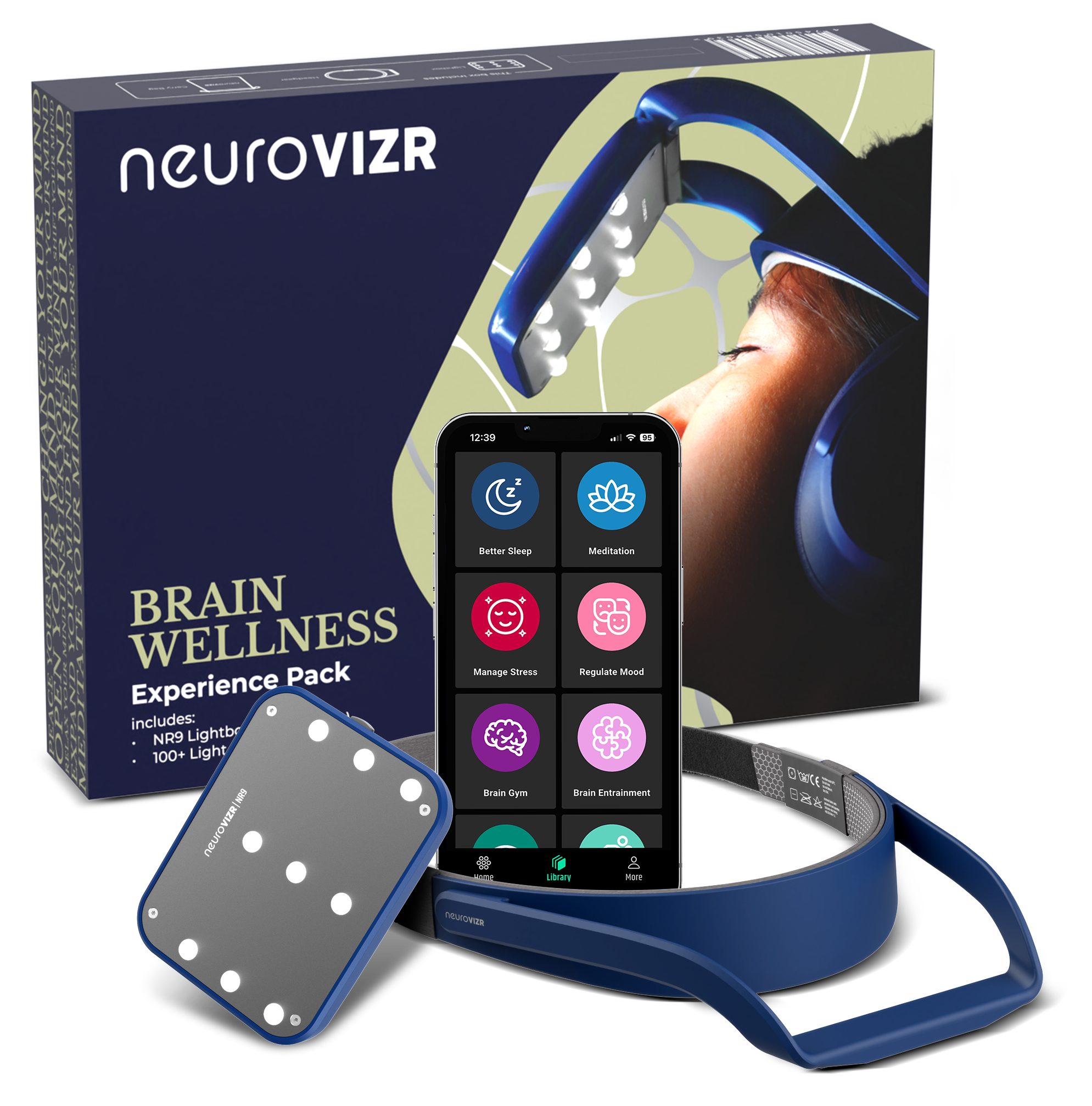
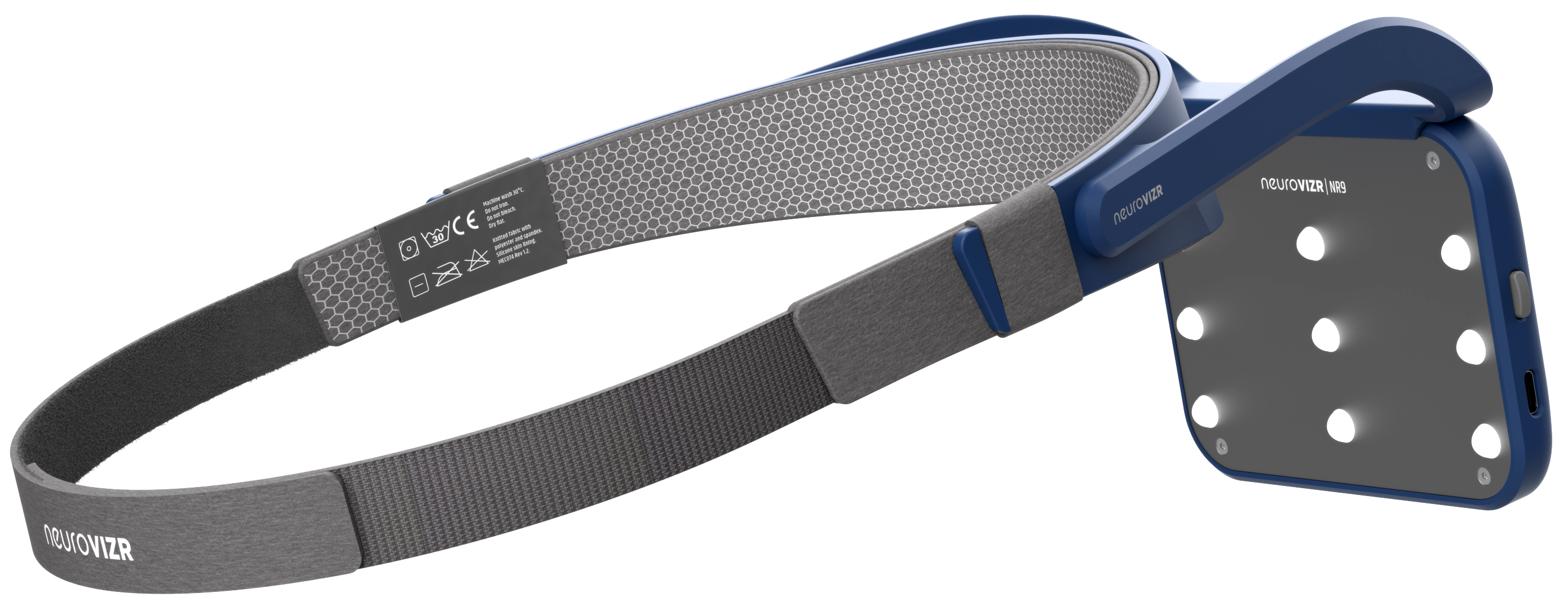
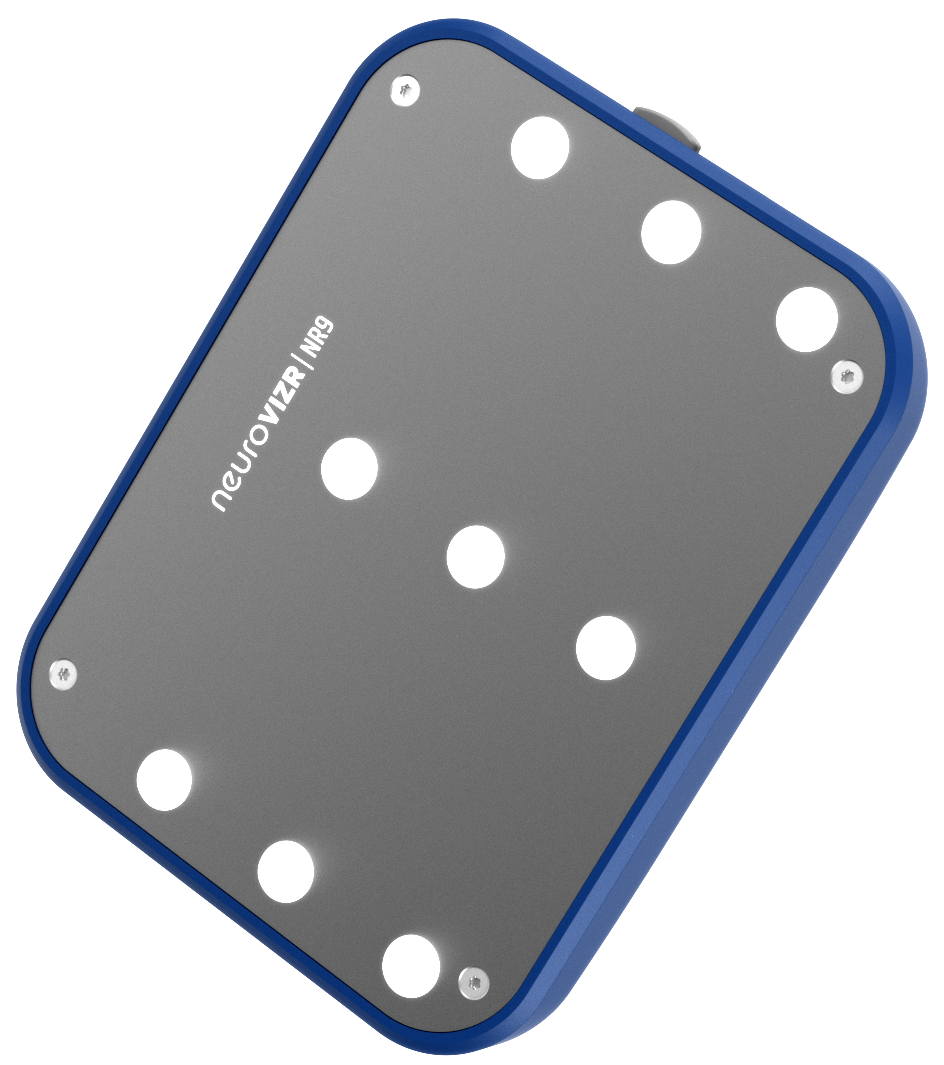
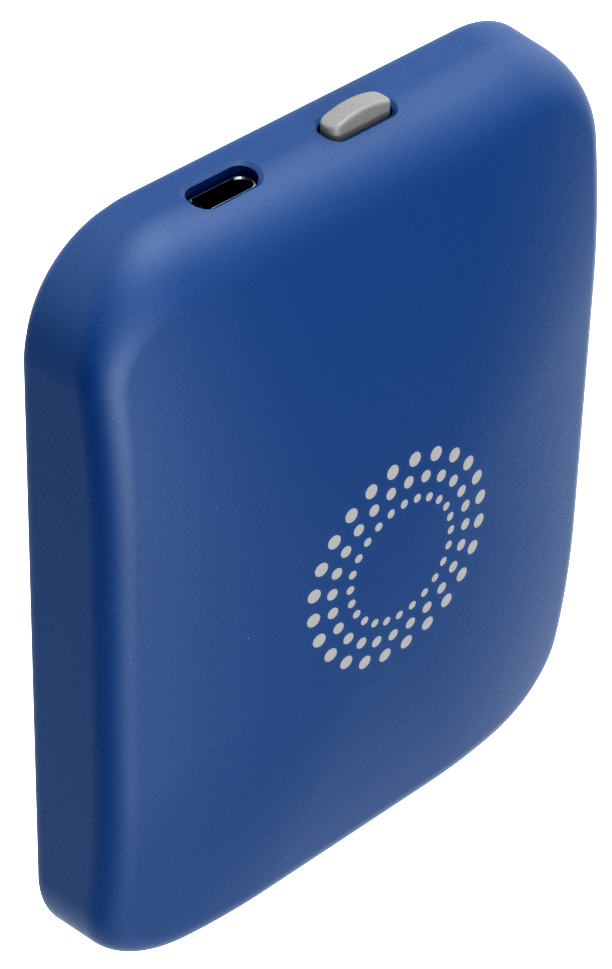
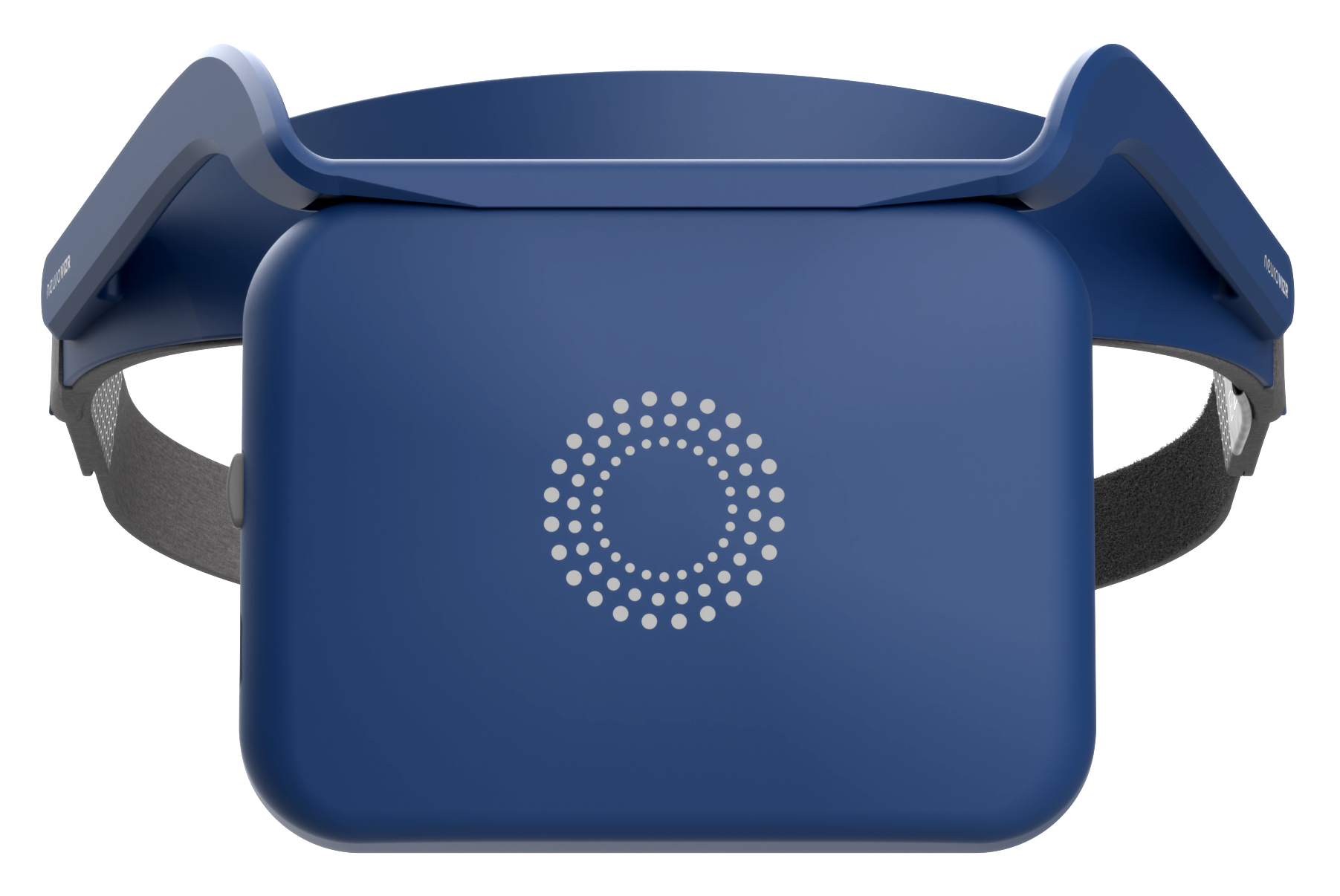
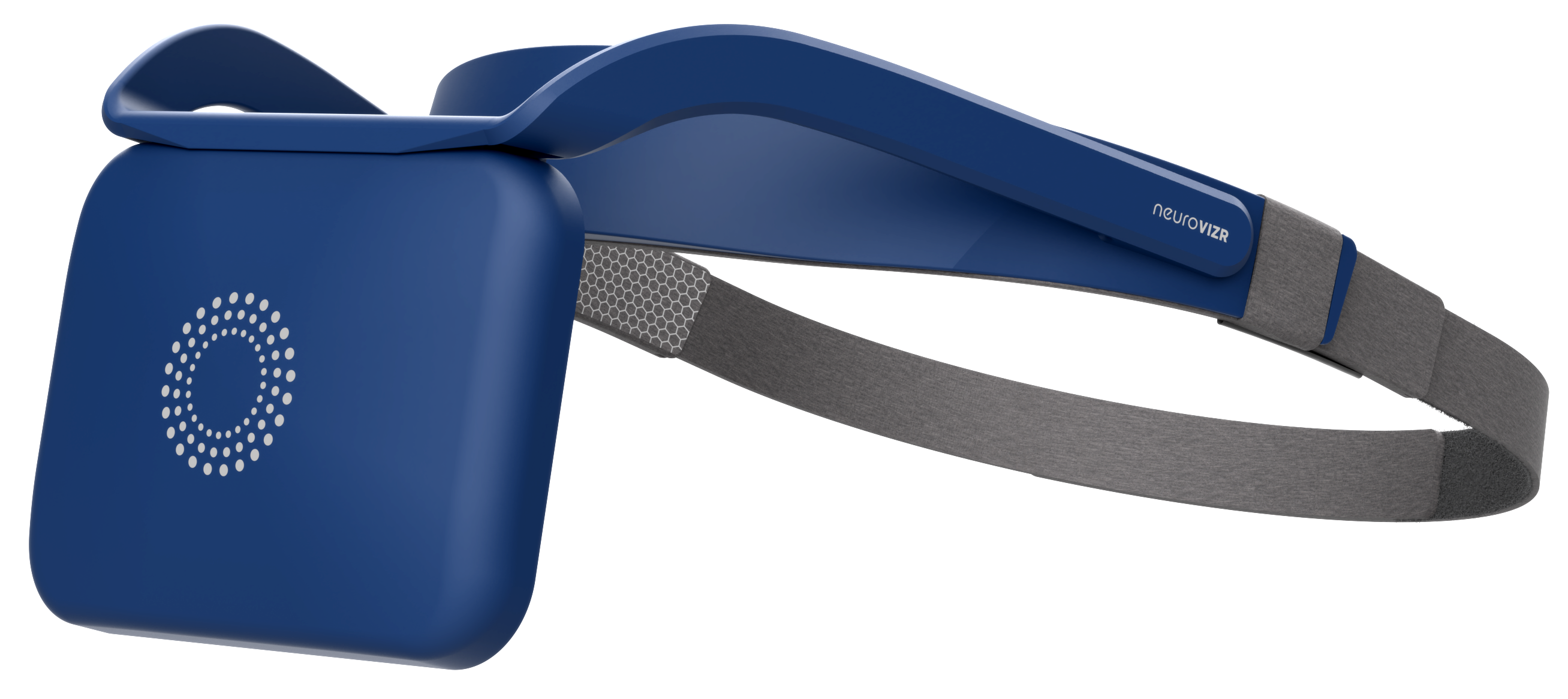
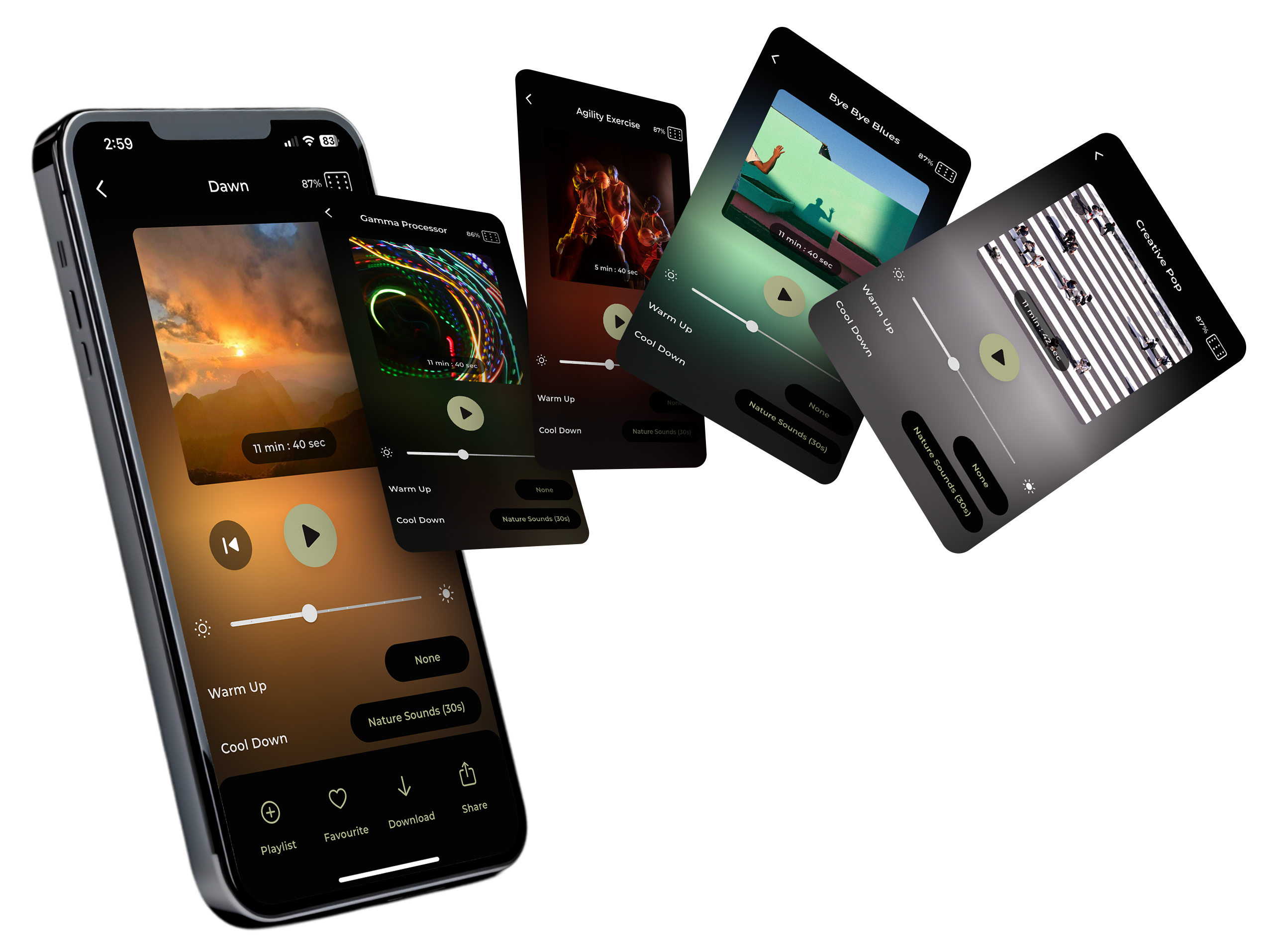
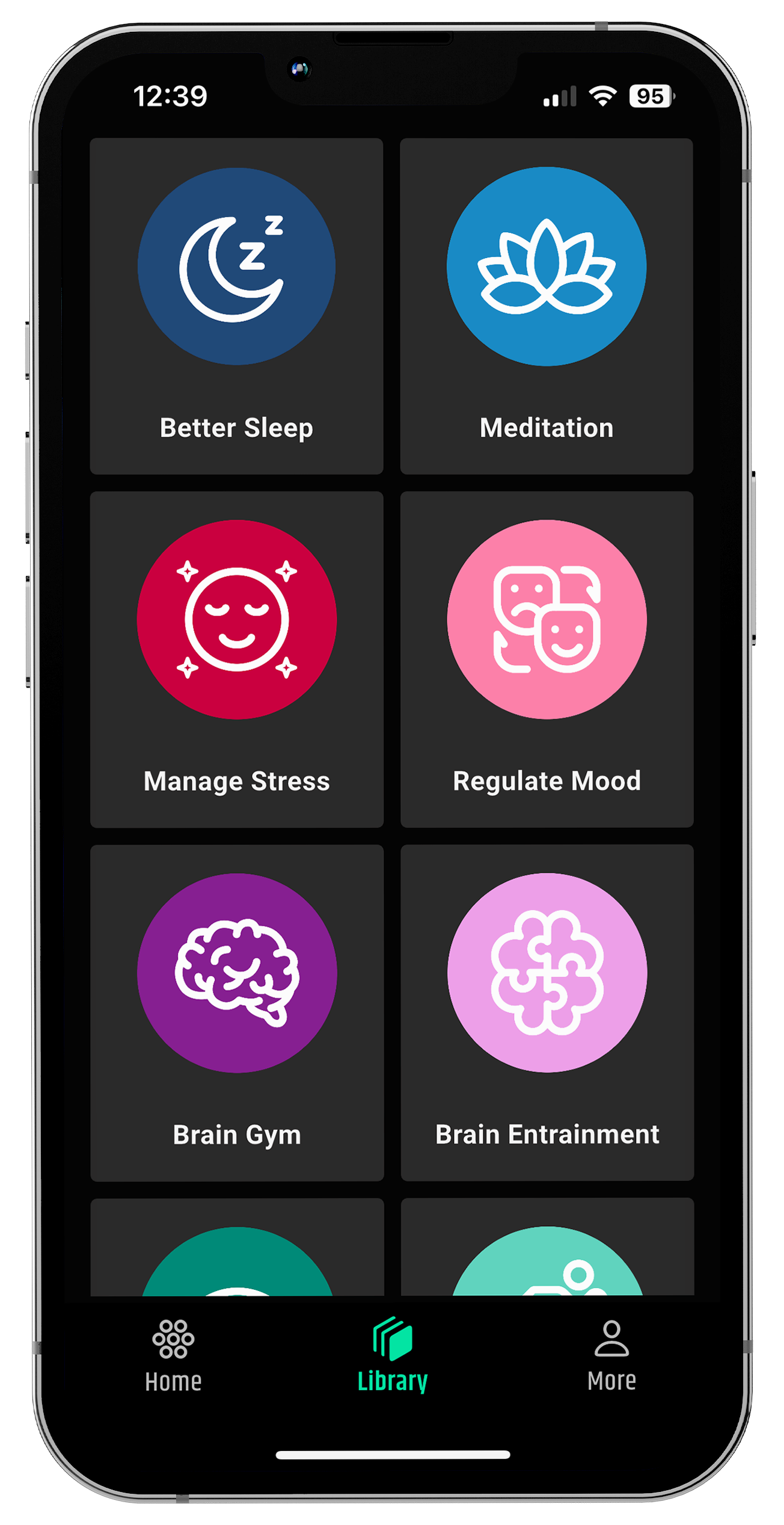
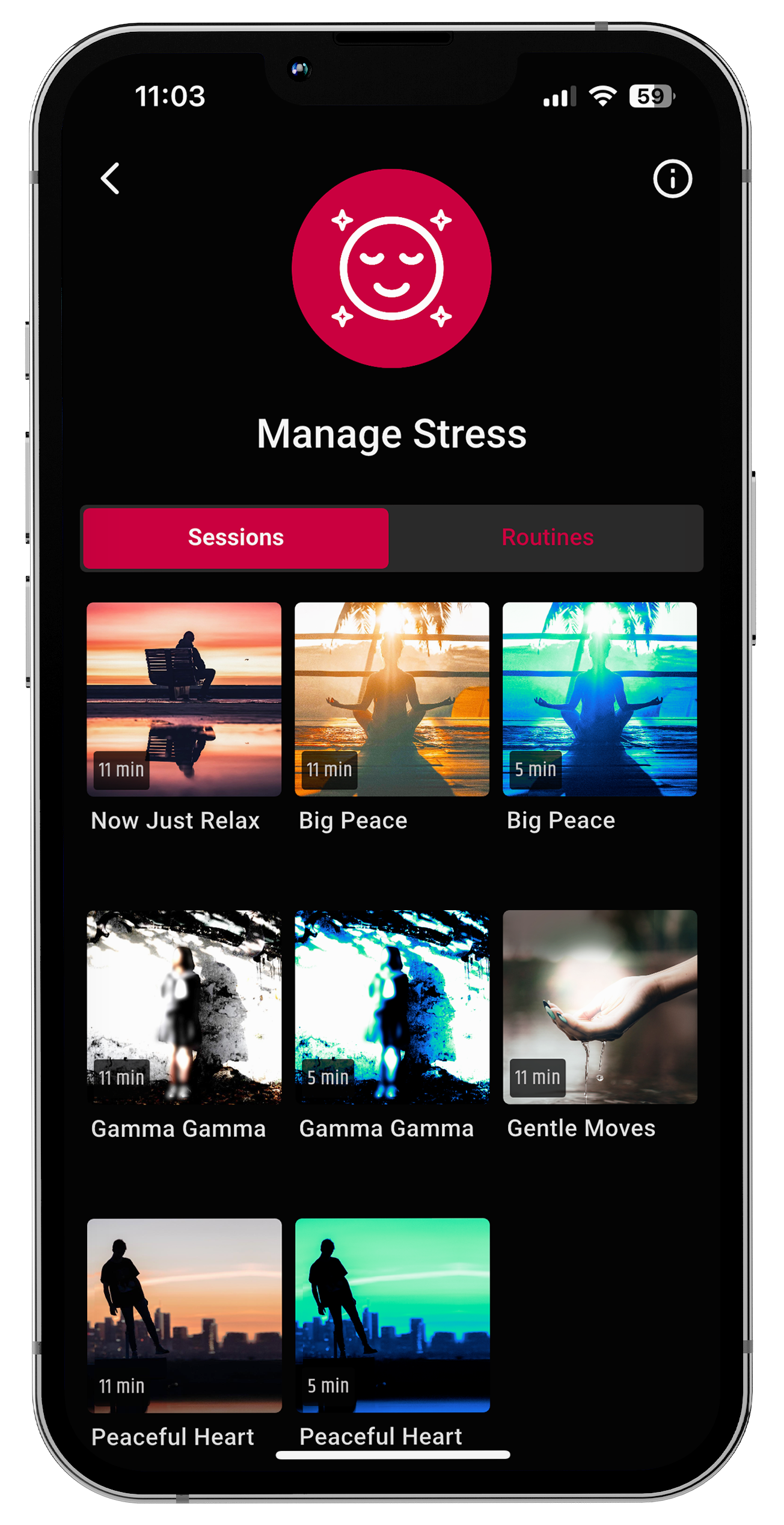
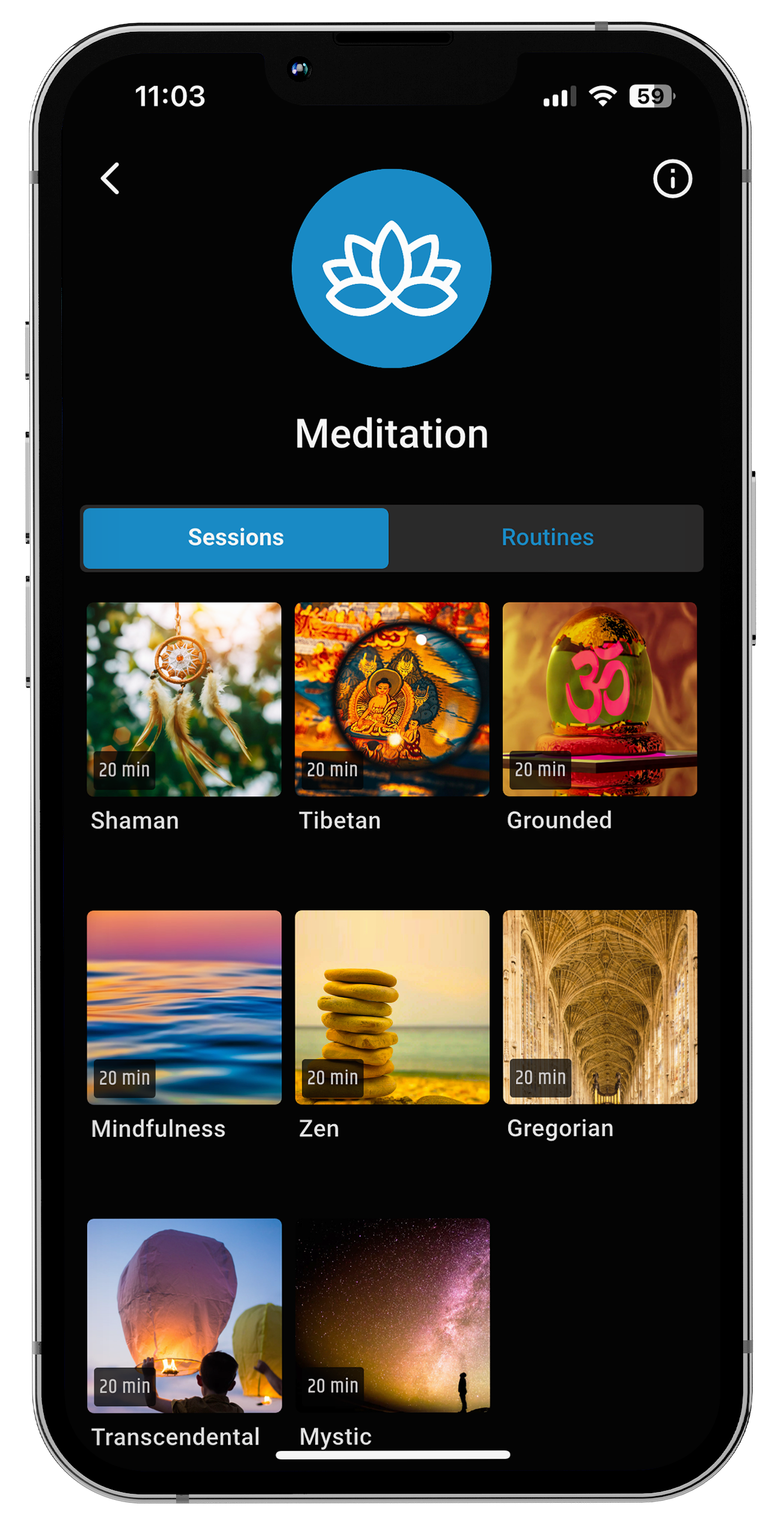
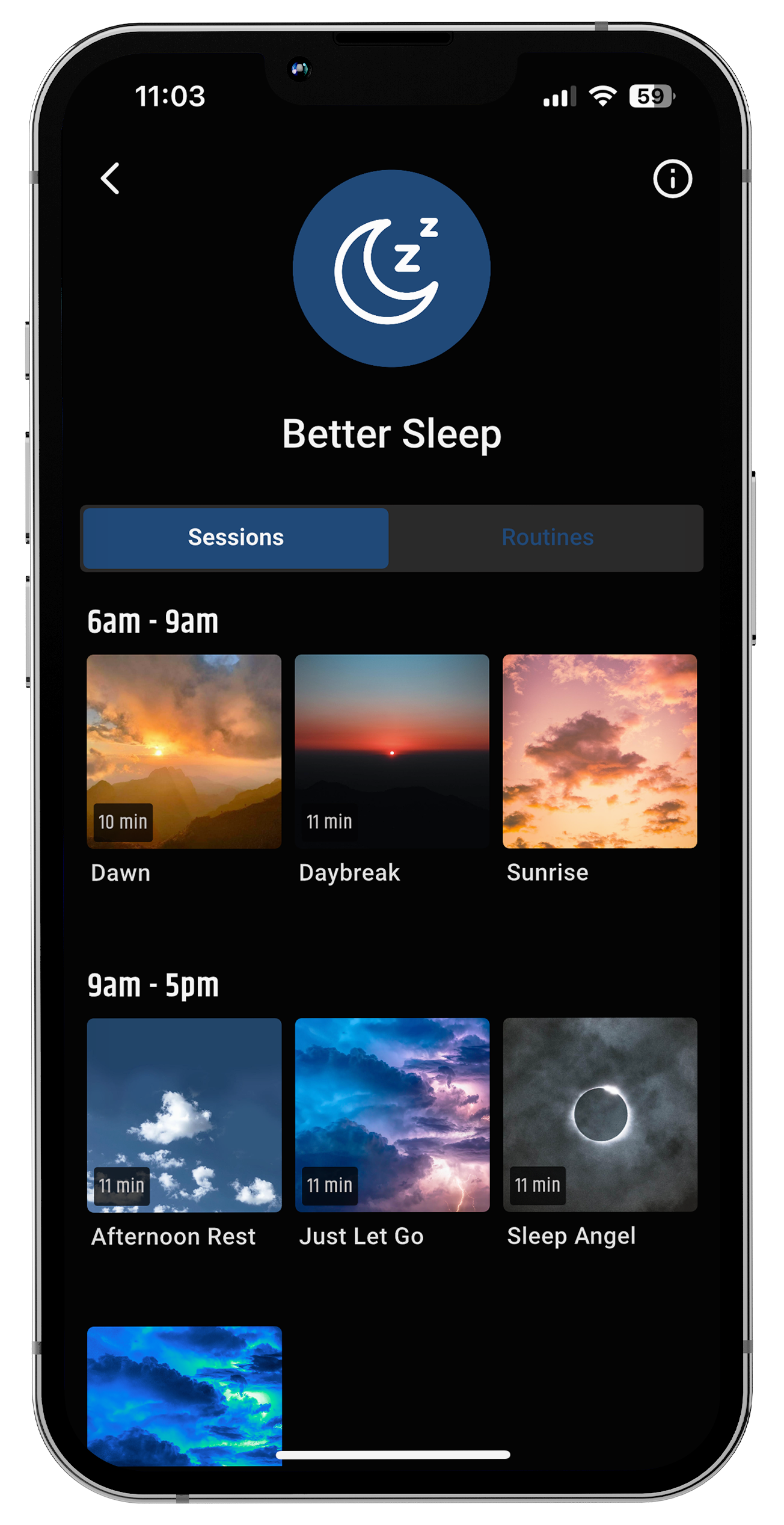
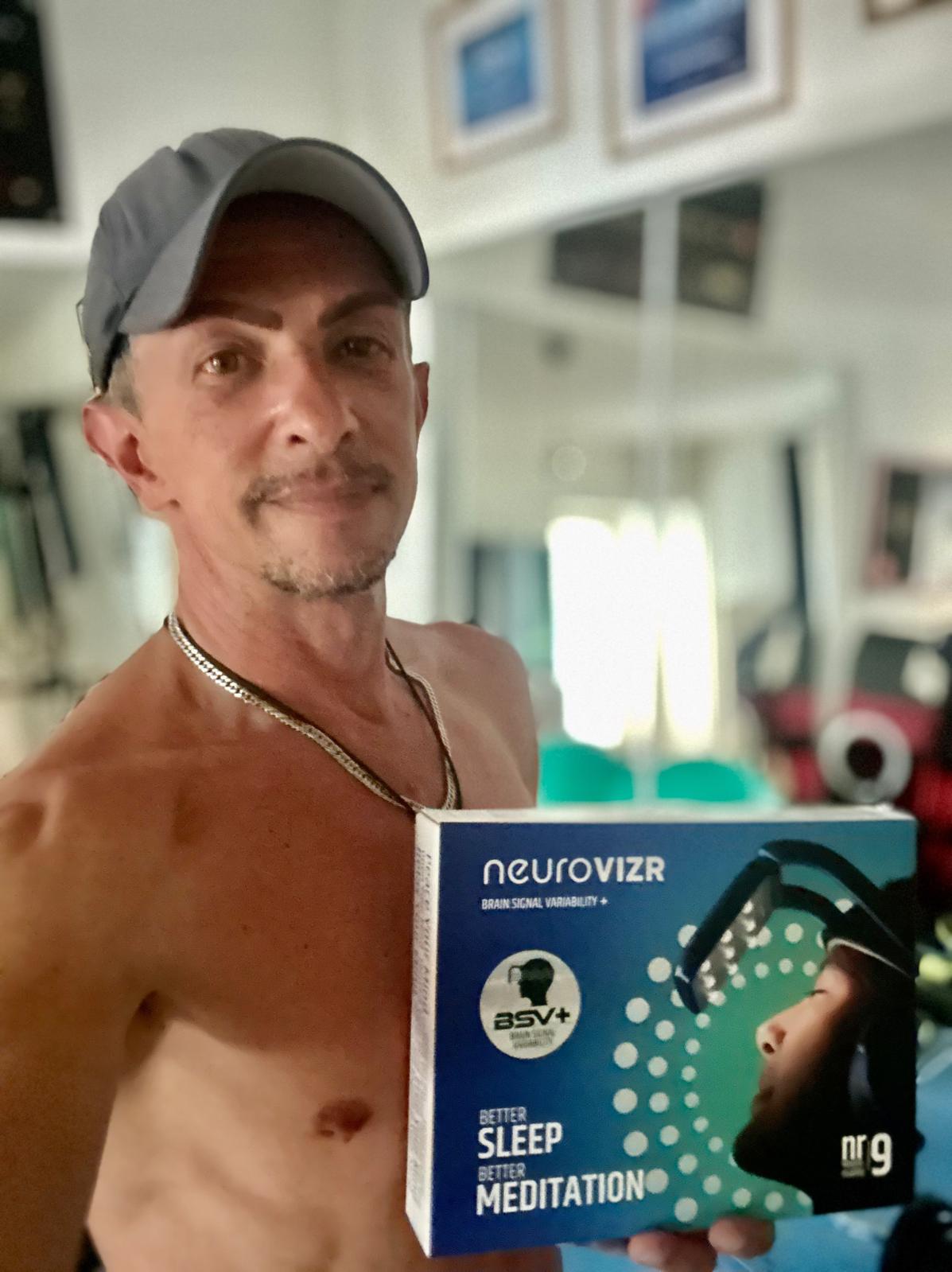
At neuroVIZR, we explore ways to support the brain through sensory-based experiences that help regulate stress, enhance focus, and encourage deeper relaxation working with your nervous system rather than against it.
Key Takeaways
-
Hormonal shifts can directly influence anxiety levels.
-
Estrogen, progesterone, cortisol, and thyroid hormones all affect mood.
-
Life stages like PMS, postpartum, and perimenopause often trigger anxiety changes.
-
Nervous system regulation and daily rhythm stabilisation can reduce symptoms.
-
Understanding the biological roots of anxiety reduces self-blame.
Reflection Prompt
When during the month or day do you feel most anxious and what might your body be asking for in those moments?
FAQs
1. What is hormone anxiety disorder?
Hormone-related anxiety refers to anxious feelings that are influenced by shifts in the body’s hormonal balance. Changes in estrogen, progesterone, cortisol, or thyroid hormones can affect brain chemistry and nervous system regulation, leading to symptoms like restlessness, racing thoughts, or emotional sensitivity.
2. Which hormones are most commonly linked to anxiety?
The hormones most often associated with anxiety include:
-
Estrogen, which supports mood-regulating neurotransmitters
-
Progesterone, which has calming effects on the brain
-
Cortisol, the body’s main stress hormone
-
Thyroid hormones, which control metabolism and energy levels
Imbalances or fluctuations in these hormones can influence emotional stability.
3. When does hormonal anxiety usually occur?
Hormonal anxiety often appears during periods of significant hormonal change, such as:
-
Premenstrual phase (PMS or PMDD)
-
Pregnancy or postpartum
-
Perimenopause and menopause
-
Thyroid imbalances
-
Times of chronic stress or burnout
4. How can I manage hormone-related anxiety naturally?
Some supportive strategies include:
-
Maintaining consistent sleep and meal schedules
-
Gentle movement like walking or stretching
-
Breathing exercises or relaxation practices
-
Reducing chronic stress where possible
-
Tracking mood and hormonal patterns
If symptoms are severe or persistent, it’s important to consult a healthcare professional.
Disclaimer
This article is for informational and educational purposes only and is not intended as medical advice, diagnosis, or treatment. Hormonal and anxiety-related conditions can vary widely between individuals. If you are experiencing persistent or severe symptoms, consult a qualified healthcare professional or medical provider for personalised guidance. neuroVIZR products and content are designed to support general brain wellness and relaxation, not to replace professional medical care.








Share:
Chronic Brain Fog: What Your Brain Is Trying to Tell You