



When your mind feels slow, heavy, or disconnected
You sit down to work, but your thoughts feel scattered.
You reread the same sentence three times and still can’t process it.
Simple decisions feel strangely exhausting.
This is what many people call brain fog a state where mental clarity fades and even small tasks feel mentally taxing. If this experience has become frequent or constant, it may feel like something is “wrong” with your brain.
But from a neuroscience perspective, chronic brain fog is rarely a failure of the brain.
More often, it’s a signal your nervous system’s way of asking for a different rhythm, more safety, or deeper recovery.
Read more - Lack of Sleep
What is brain fog?
Brain fog isn’t a medical diagnosis. It’s a cluster of cognitive symptoms, including:
-
Difficulty concentrating
-
Slower thinking
-
Forgetfulness
-
Mental fatigue
-
Lack of motivation
-
Feeling “disconnected” from your thoughts
These experiences are usually linked to how the brain is regulating energy, stress, and attention.
The neuroscience behind chronic brain fog
Your brain is constantly balancing two major priorities:
-
Performance and focus
-
Safety and survival
When your nervous system perceives ongoing stress, whether emotional, physical, or environmental, it shifts resources away from higher thinking and toward protection and conservation.
Several brain systems are involved in this shift
1. The prefrontal cortex goes offline
The prefrontal cortex is responsible for:
-
Decision-making
-
Focus
-
Planning
-
Working memory
Under chronic stress or fatigue, this area becomes less active. This isn’t because it’s damaged, it's because your brain is trying to save energy or respond to perceived threats.
The result:
You may feel mentally slow, unfocused, or indecisive.
2. The nervous system stays in survival mode
When the amygdala and stress circuits are repeatedly activated, the nervous system can remain in:
-
Fight or flight (anxious, restless brain fog)
-
Freeze or shutdown (heavy, numb brain fog)
In the shutdown state, the brain reduces stimulation and processing to conserve energysimilar to how cognitive heaviness can appear in conditions like bipolar-related mental fatigue.
This often feels like:
-
Mental dullness
-
Lack of motivation
-
Emotional flatness
Your brain isn’t broken.
It’s trying to protect you.
3. Energy and inflammation signals
Chronic brain fog is also linked to:
-
Poor sleep
-
Hormonal shifts
-
Nutrient deficiencies
-
Chronic inflammation
-
Long periods of cognitive overload
When the body is under strain, the brain receives signals that say:
“Energy is limited. Slow down.”
So it does.
Common root causes of chronic brain fog
Brain fog rarely has just one cause. It usually comes from an accumulation of stressors, such as:
-
Long-term stress or burnout
-
Poor or irregular sleep
-
Excessive screen time and cognitive overload
-
Hormonal changes (e.g., PMDD, perimenopause)
-
Sedentary lifestyle
-
Emotional suppression or unresolved stress
-
Nutritional imbalances
The brain responds to patterns, not isolated events.
Chronic fog often reflects chronic imbalance.
How to gently clear brain fog: integration over force
Most people try to fix brain fog by pushing harder/more caffeine, more multitasking, more pressure.
But the nervous system doesn’t respond well to force.
It responds to signals of safety, rhythm, and engagement.
Here are three neuroscience-aligned approaches.
1. Regulate before you concentrate
Clarity comes after regulation, not before it.
Try:
-
Slow, rhythmic breathing (4 seconds in, 6 seconds out)
-
Gentle movement or stretching
-
Stepping outside for natural light
-
Short body-based resets during the day
These signals tell the nervous system:
“You’re safe enough to think clearly again.”
2. Work with your brain’s natural rhythms
Your brain isn’t built for endless focus.
Instead:
-
Work in 25–50 minute focus blocks
-
Take short breaks with movement or rest
-
Avoid constant context switching
Mental clarity often returns when the brain is given predictable cycles of effort and recovery.
3. Stimulate the brain gently, not aggressively
The brain responds best to structured, rhythmic sensory input rather than chaotic stimulation.
Examples:
-
Rhythmic music
-
Guided breathwork
-
Light movement practices
-
Light-and-sound based neurostimulation tools
These approaches help the brain shift from survival patterns into more balanced, focused states.
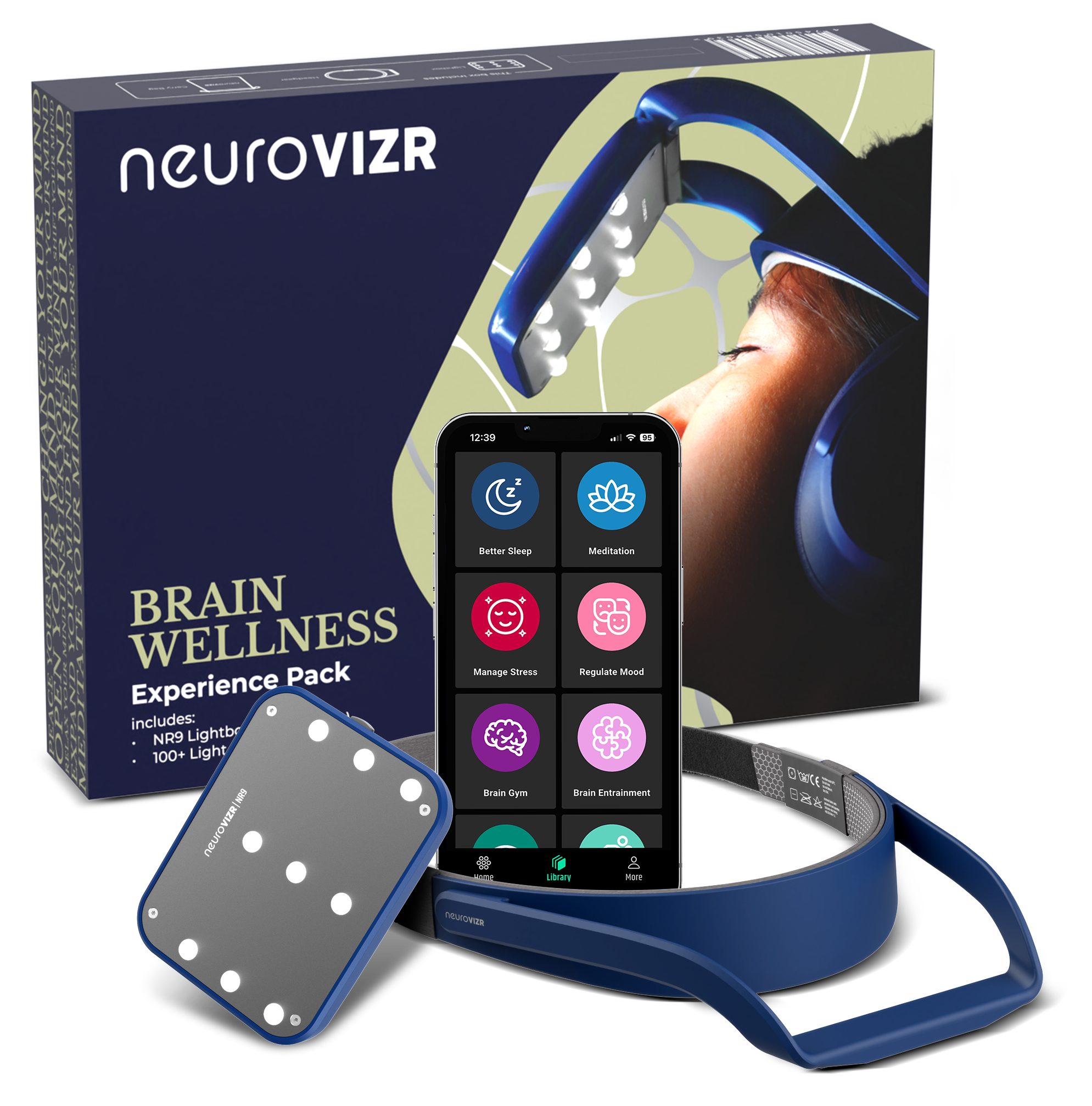
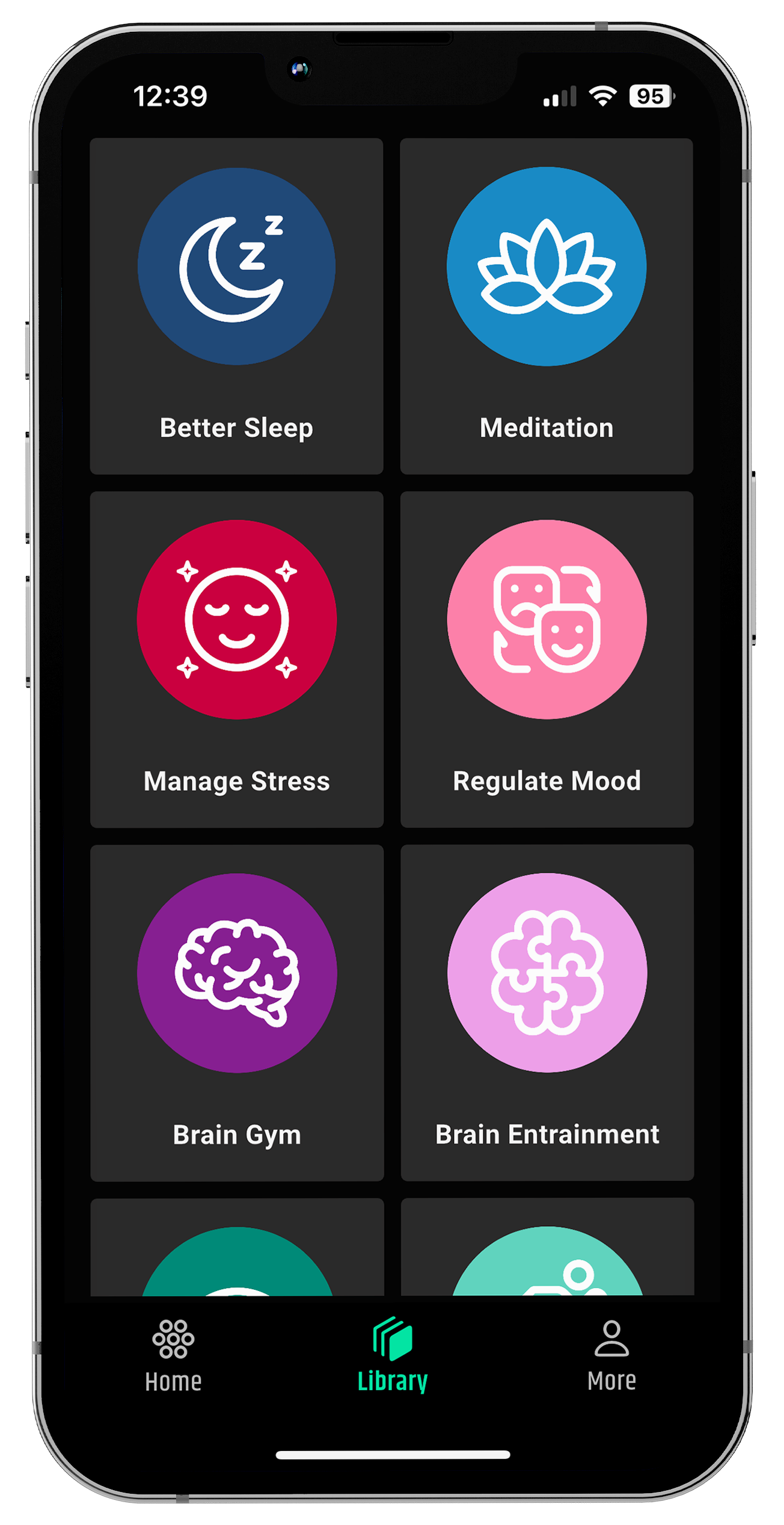
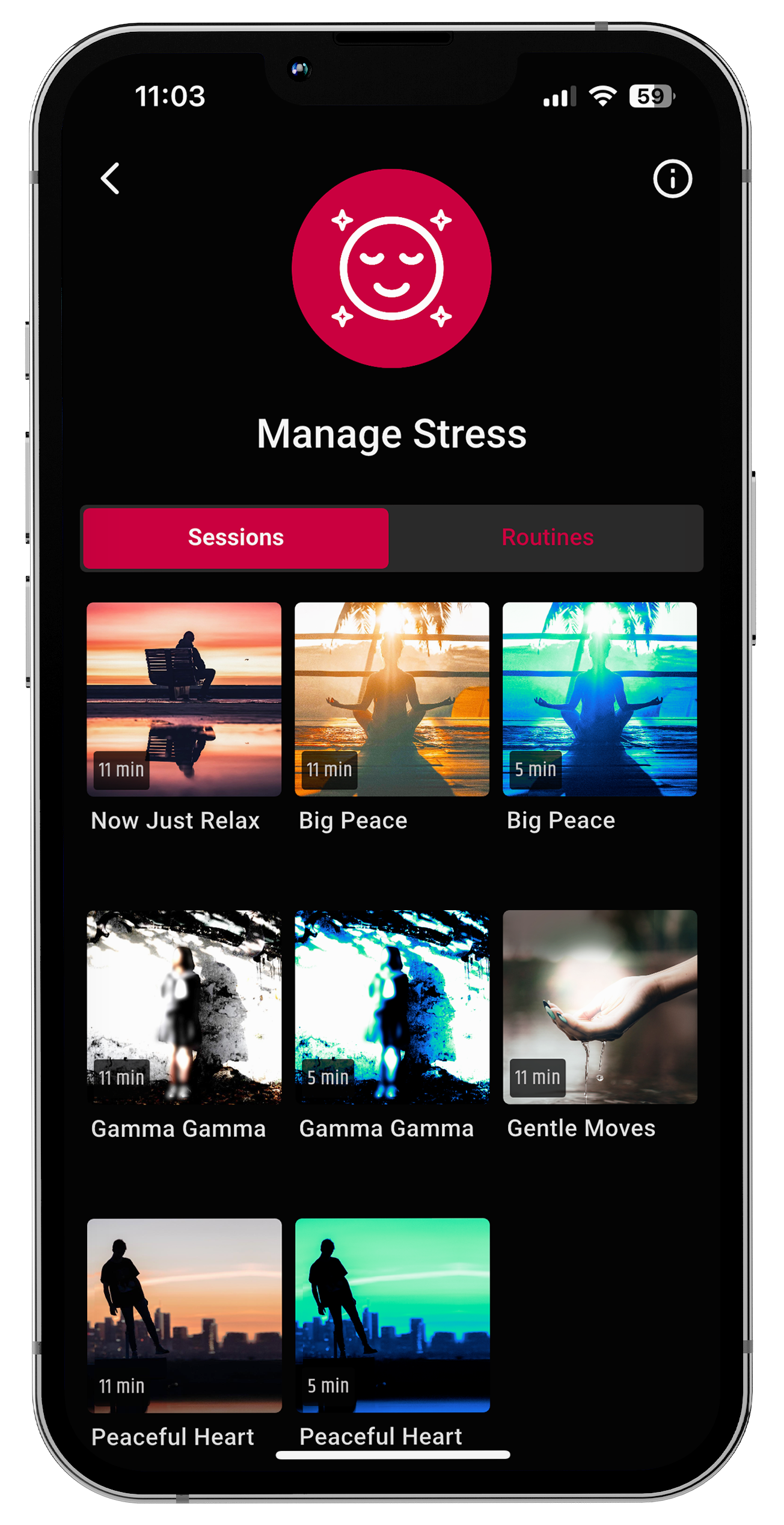
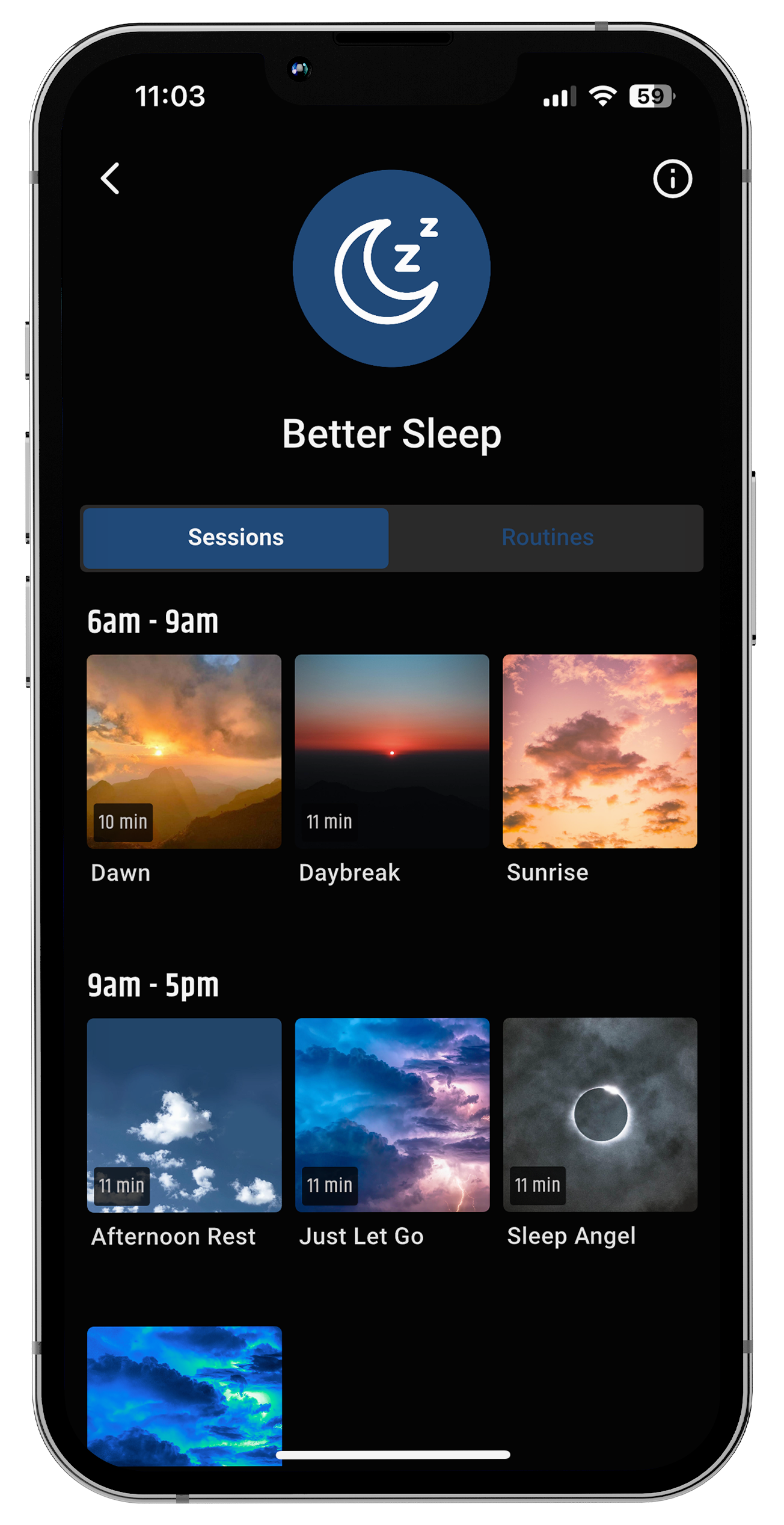
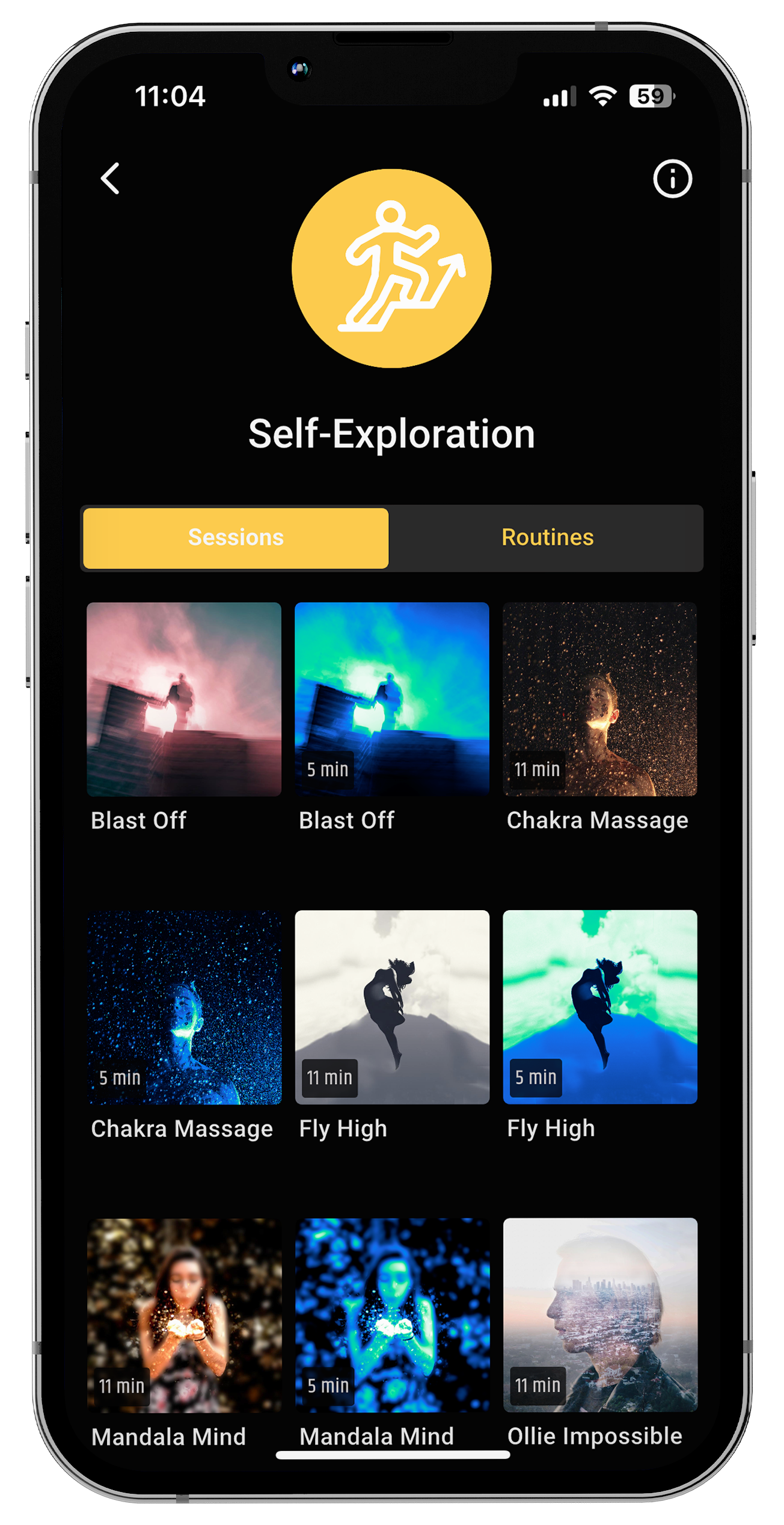
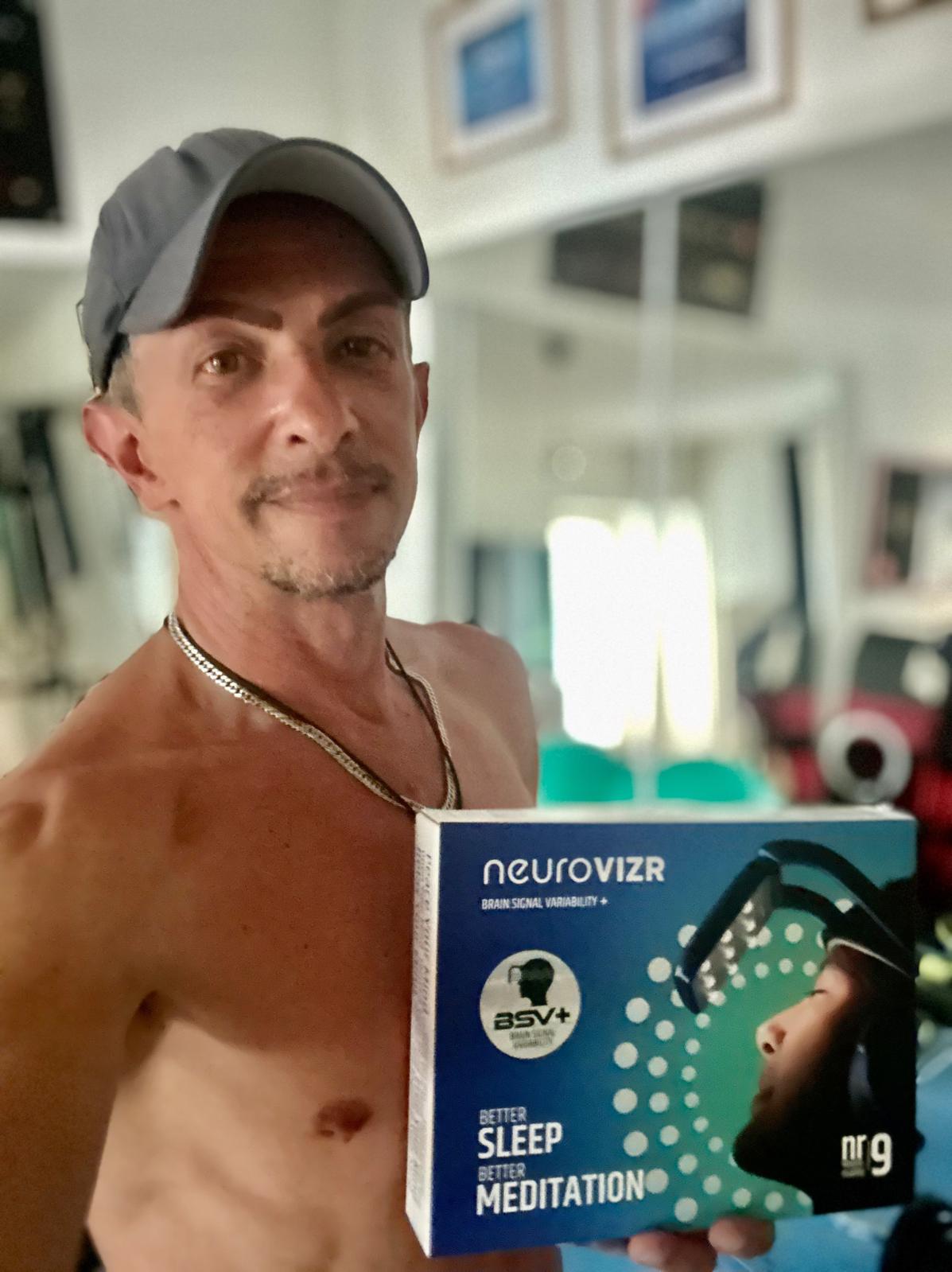
At neuroVIZR, light-and-sound sessions are designed to support these transitions helping the brain move from foggy, stressed states into clearer, more engaged rhythms through gentle sensory guidance.
What changes when you understand brain fog differently
When you stop seeing brain fog as a failure and start seeing it as communication, something shifts especially when you understand how anxiety-driven nervous system patterns contribute to brain fog and anxiety disorders.
Instead of:
-
“Why can’t I focus?”
You begin asking: -
“What is my brain asking for right now?”
That question alone can soften the pressure and open the door to real change.
Clarity doesn’t come from forcing the brain.
It comes from working with its natural signals.
Key takeaways
-
Brain fog is a signal, not a personal flaw.
-
Chronic stress and nervous system imbalance are common causes.
-
Mental clarity follows regulation, rhythm, and gentle stimulation.
-
Supporting the brain’s natural states can restore focus over time.
Reflection prompt
What situations or patterns tend to make your mind feel foggy and what small signals help you feel clearer or more present?
FAQs
1. What is chronic brain fog?
Chronic brain fog is a persistent state of mental fatigue, slow thinking, poor concentration, or forgetfulness. It isn’t a medical diagnosis, but rather a collection of symptoms that usually signal stress, poor sleep, hormonal changes, inflammation, or nervous system imbalance.
2. Is brain fog a serious condition?
Brain fog itself is not a disease, but it can be a symptom of underlying issues such as burnout, anxiety, depression, sleep disorders, hormonal shifts, or nutritional deficiencies. If brain fog is severe, long-lasting, or interfering with daily life, it’s important to consult a qualified healthcare professional.
3. How long does brain fog usually last?
Brain fog can last anywhere from a few hours to several months, depending on the cause.
If the root issue such as stress, sleep deprivation, or hormonal imbalance is addressed, clarity often improves gradually.
4. Can brain fog be reversed?
In many cases, yes. The brain is highly adaptable due to neuroplasticity.
When you improve sleep, reduce stress, regulate your nervous system, and create healthier rhythms, mental clarity often returns.
Disclaimer
This article is for educational and informational purposes only and is not intended as medical advice, diagnosis, or treatment. If you are experiencing persistent brain fog, cognitive difficulties, or other health concerns, please seek guidance from a licensed medical or mental health professional. Products or technologies mentioned are intended to support general wellbeing and are not designed to diagnose, treat, cure, or prevent any medical condition.
















Share:
Why Anxiety Feels Worse at Night and How neuroVIZR Can Gently Support the Brain
Hormone Anxiety Disorder: When Your Body’s Chemistry Shapes Your Emotional World