



Anxiety does not reach its peak at the busiest time of the day to many individuals. It shows up at night. The house becomes silent, lights go down and in a moment the mind becomes more than ever. Thoughts replay. The body feels tense. Sleep becomes a struggle.
You are not alone in this case, should you have. Nocturnal anxiety is excessively widespread, and it is not necessarily insufficiency or excessive contemplation. It usually is caused by a nervous system that has not really changed its mind and switched to sleeping mode, which can also be seen in certain sleep disorders and night disturbances.
When the world becomes a place to crawl at, your brain then has time to fully digest what it simply cannot when you are busy at work. And unless the cues are safe-hand, such processing may be anxiety.
What Happens on the Brain at Night?
Your mind is distracted from the outside on the day - people, work, displays, motion. This makes your brain busy with action oriented networks.
However, when one is asleep, the brain changes to a more contemplative mode. The default mode network is increased, the one that is in charge of introspection, memory, as well as self-focusing thought.
This inward concentration might increase anxieties and emotional stress, in case you are experiencing stress.
At the same time:
-
The level of cortisol becomes low and this may lead to a lack of emotional strength.
-
It is more difficult to control the thoughts due to mental fatigue.
-
Anxious signals are more observable due to the silent surrounding.
-
It is not that the brain is malfunctioning. It is just a transition to a state where raw emotions finally come out.

When the Nervous System Fails to Change to rest
Sleep relies on the parasympathetic nervous system, which is responsible for rest, repair, and recuperation.
However, when you still do not feel safe in your body, even unconsciously, the sympathetic system remains active. This creates a mismatch:
Your body feels tired.
You have a clear head or you are on edge.
We have seen that this internal state is a frequent source of night anxiety, not necessarily the thoughts per se. The thoughts normally represent the efforts of the brain to elaborate on a higher level of discomfort.
Where Sensory Support may be Gently Done
Rhythm, light and sound are intense to the brain. And in response to sensory input, your nervous system is being continuously formed throughout the day sunlight and conversation to screens and background noise.
Before bedtime, deliberate sensory sensations would assist the brain to shift between being awake and sleep.
Rather than compelling the mind to relax, the intention is to establish the environment in which a more relaxed state is welcomed. In this case, brain-sensory interaction tools and simple sensory stimulation activities may be of a beneficial nature.
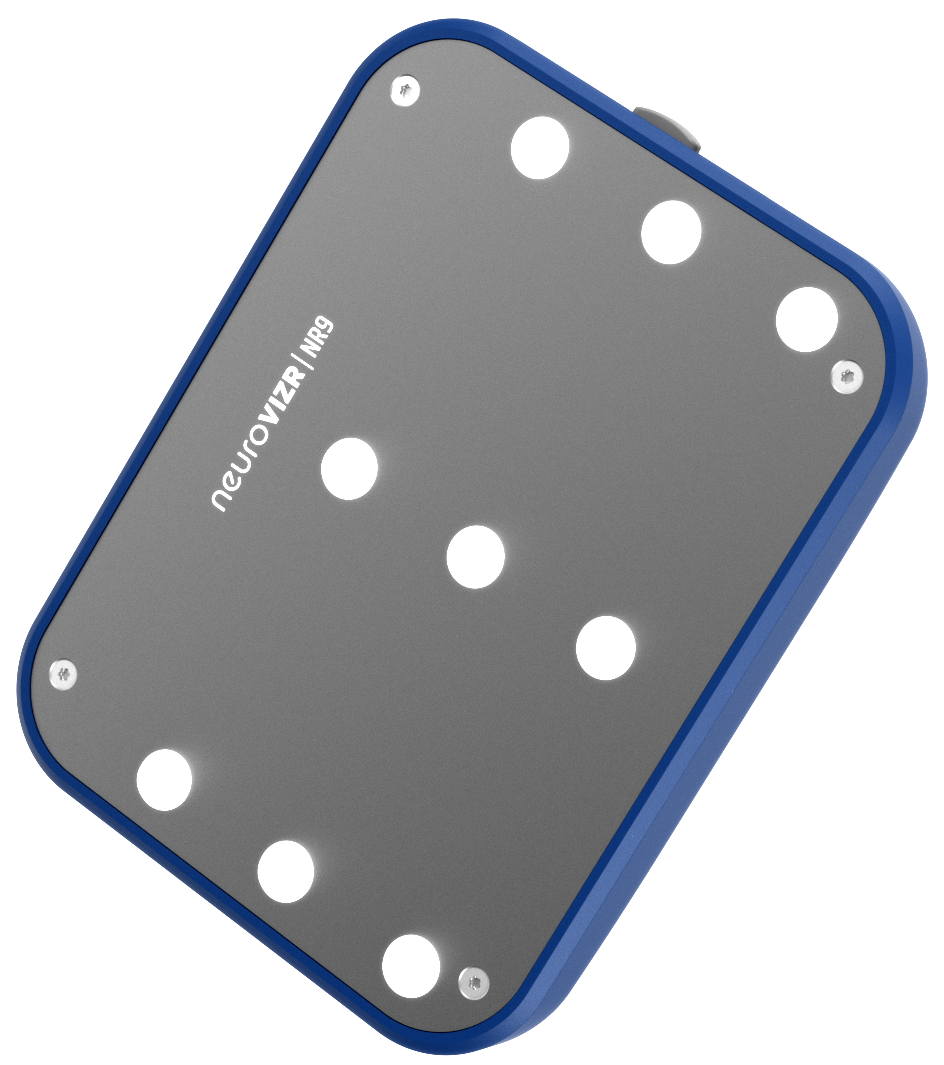
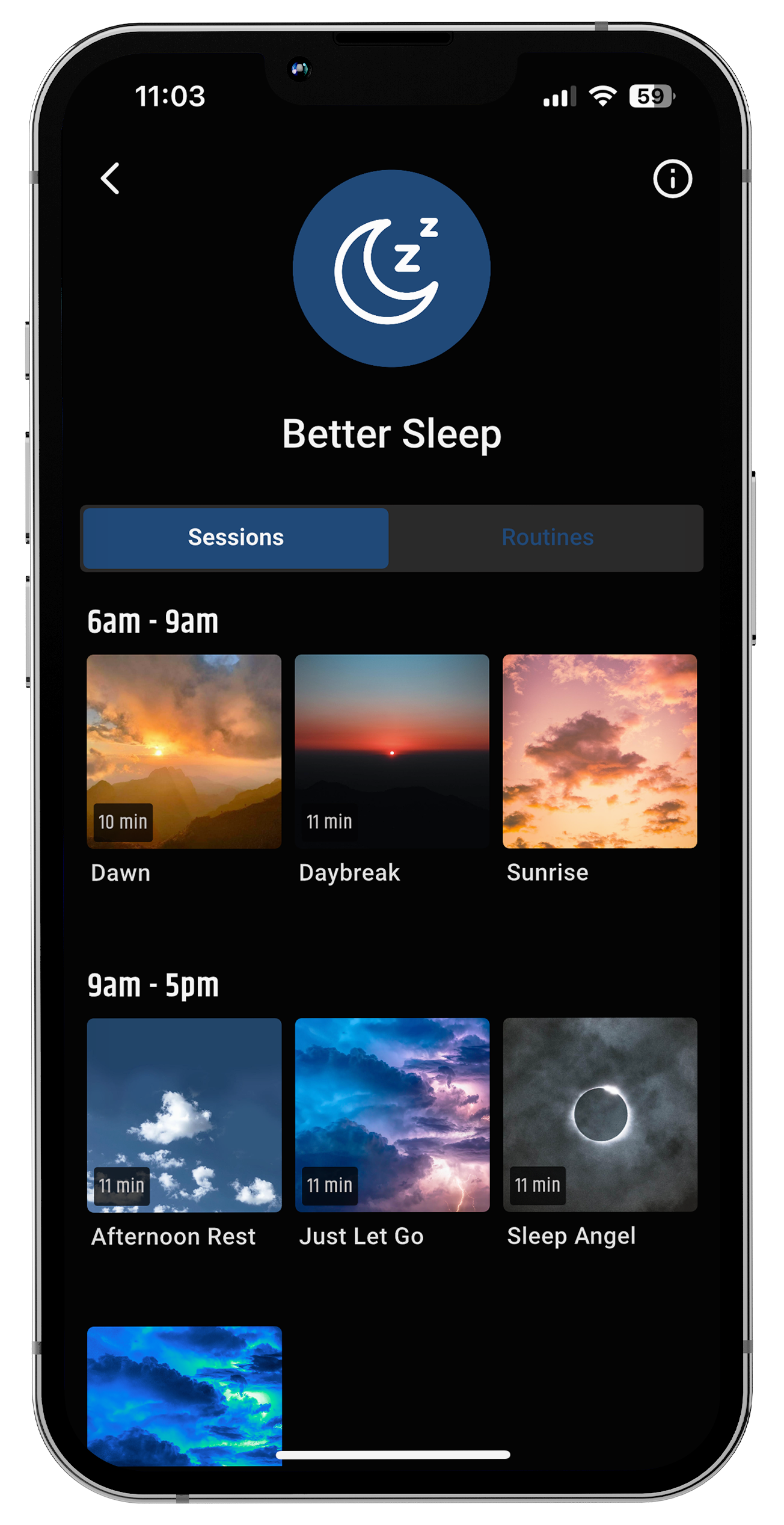
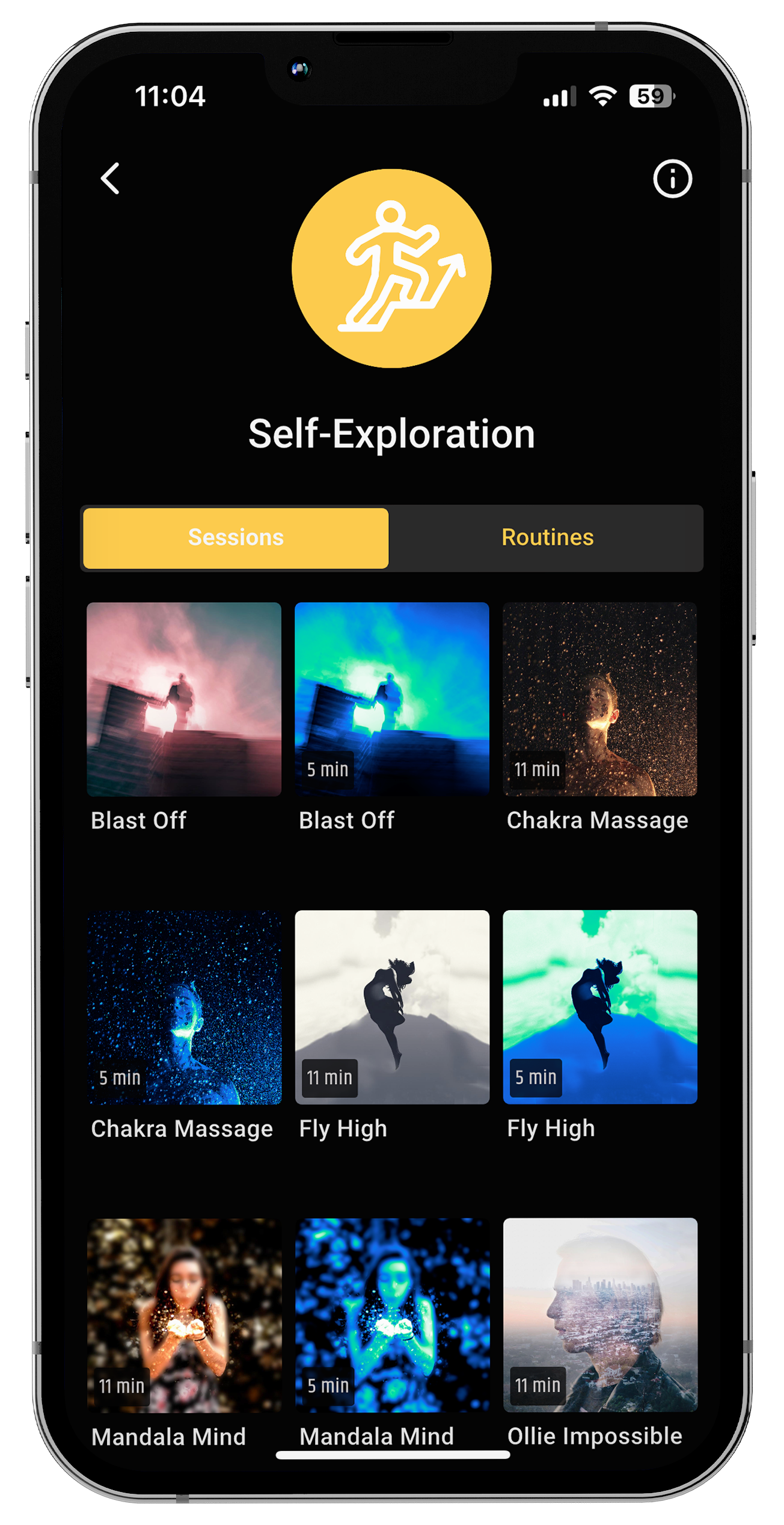
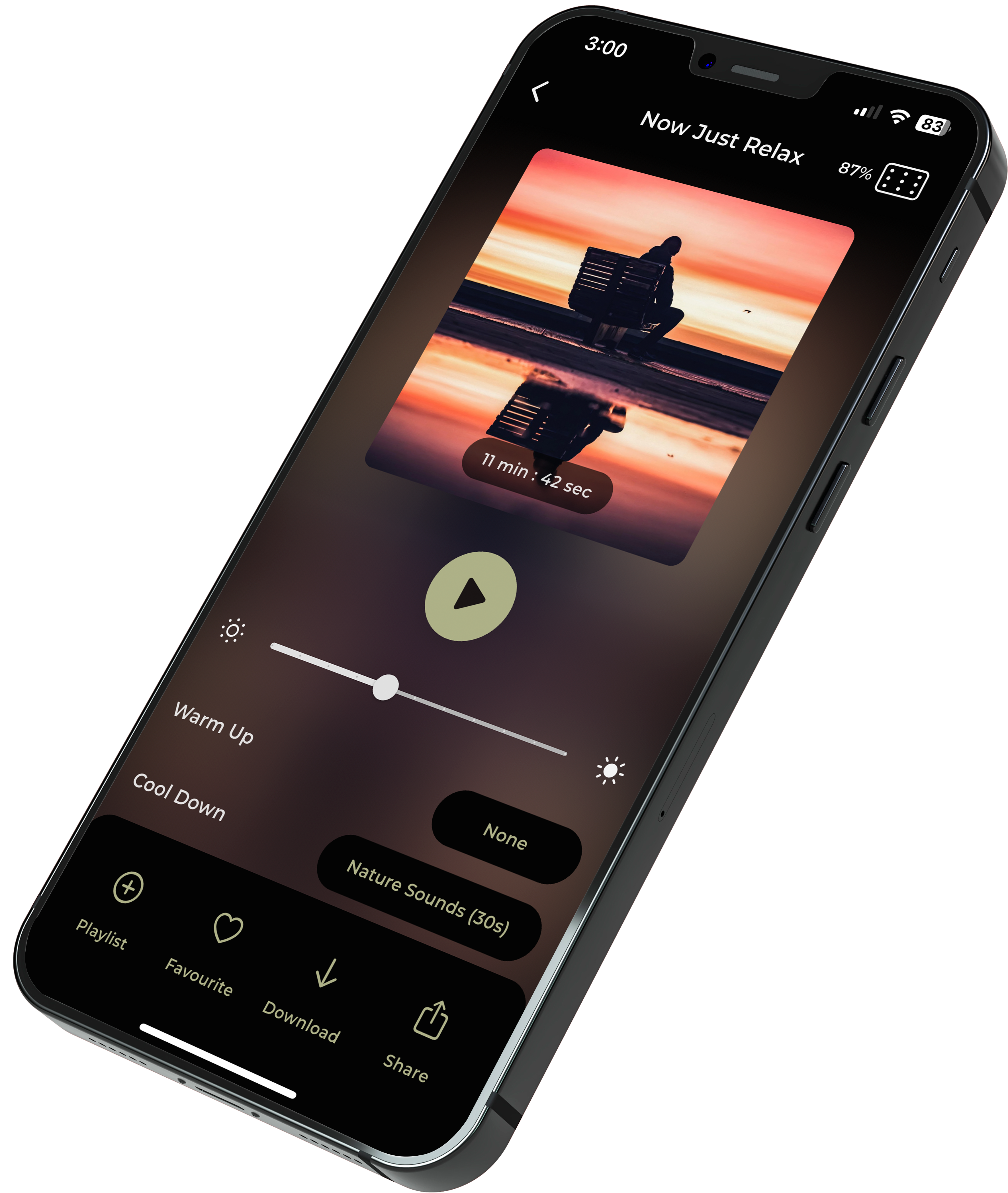
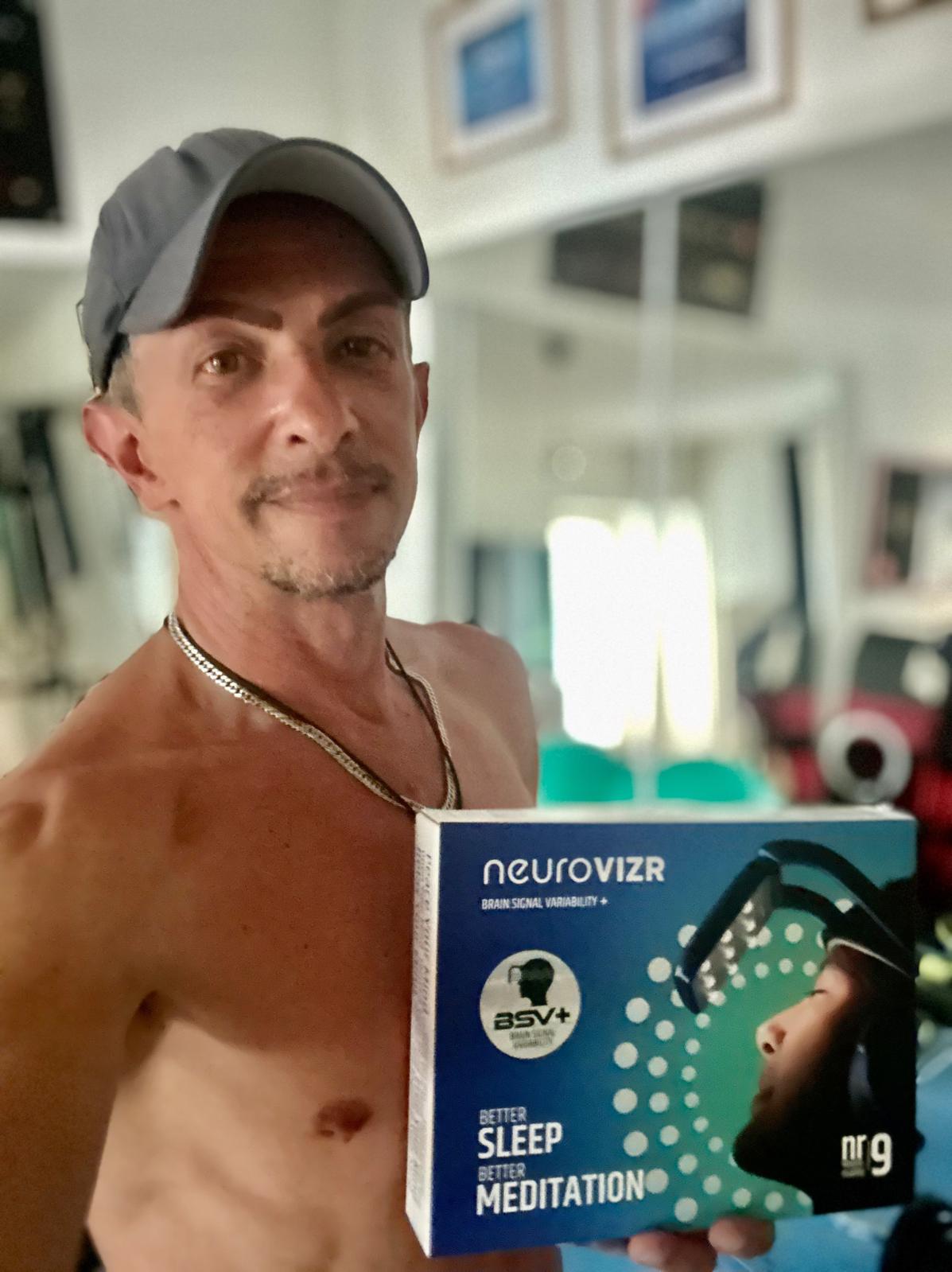
The role of neuroVIZR in a Nighttime Relaxation Routine.
The devices such as neuroVIZR are meant to provide the organised light and sound experiences that engage with the natural rhythms of the brain.
The concept does not focus on symptoms, but instead creates mild sensory conditions that might assist the nervous system in changing states with less effort.
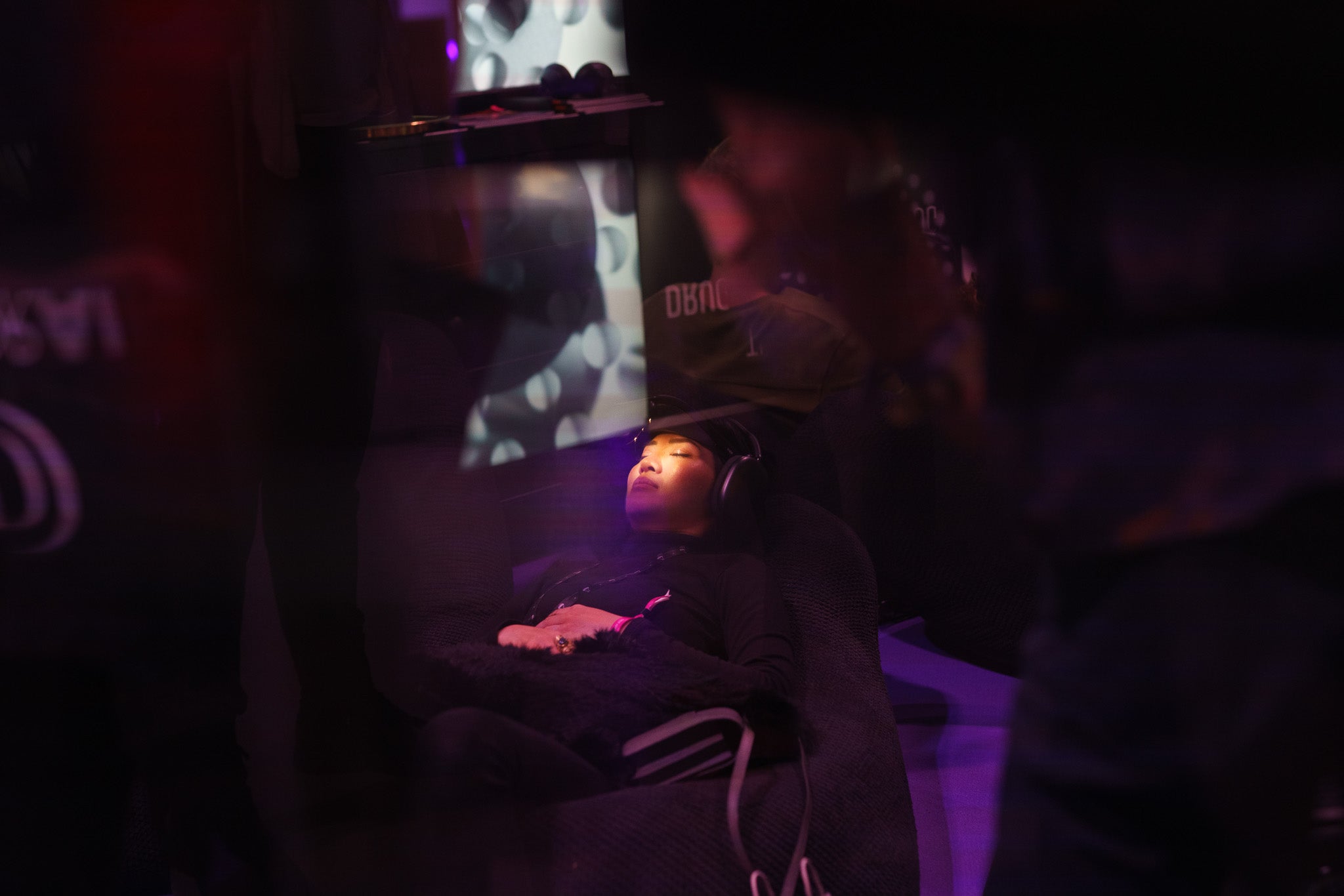
As an illustration, others visit light and sound sessions in the evening as part of a wind-down ceremony as well as:
-
Dimming lights
-
Voice deepening or lengthening.
-
Journaling or reflection
-
Listening to calming audio
The types of organized sensory experiences are able to:
-
Make day and night transition predictable.
-
Minimize screen or hectic stimulation.
-
Give the mind some concentrated and rhythmical input to lapse into.
The impact is not on making people fall asleep or getting rid of anxiety. It is about allowing the normal action of the brain to lean towards equilibrium in an environment that seems safe and stable.
You will find that, when the nervous system is given good, mild signals of regularity and of anticipation, the mind does not usually need to lab. so hard to rest.
An Easy Evening Integration Concept.
In case night anxiety is a common occurrence, you can create a brief and repeated evening routine:
-
Turn off the lights one hour or so before sleep.
-
Record any thoughts or to-do-s that are outstanding.
-
Take 1020 minutes of a relaxing sensory experie nce - breathwork or soft music, or a light-and-sound experience.
-
Swiftly passes to a screenless and noisy atmosphere.
After some time, your brain starts relating this order with security and relaxation.
Key Takeaways
-
Nighttime anxiety often appears when the brain shifts into internal processing mode.
-
A nervous system that feels unsafe may stay in alert mode, even when you’re tired.
-
Gentle, predictable sensory routines can help the brain transition toward rest.
-
Tools like neuroVIZR are often used as part of a calming evening ritual, not as a quick fix.
A Different Perspective on Nighttime Anxiety
Night anxiety isn’t always something to fight. Sometimes, it’s simply your brain asking for space, rhythm, and reassurance.
When you create an environment that feels predictable and gentle, the nervous system often begins to settle on its own.
At neuroVIZR, the focus isn’t on forcing the brain into calmness. It offers sensory experiences that support the brain’s natural rhythms so states like relaxation, focus, or creativity can emerge more organically.
FAQs
Why does anxiety get worse at night?
Anxiety often worsens at night because the brain shifts from external tasks to internal processing. With fewer distractions, worries and unresolved emotions become more noticeable, and fatigue makes emotional regulation harder.
How can I calm anxiety before bed?
You can calm anxiety before bed by creating a predictable wind-down routine. Dim the lights, reduce screen time, write down your thoughts, and use slow breathing or gentle sensory practices to signal safety to your nervous system.
Why does my brain start overthinking when I lie down?
When you lie down, your brain enters a reflective state linked to the default mode network. This state focuses on memories, future planning, and self-evaluation, which can trigger overthinking if stress hasn’t been processed during the day.
Is nighttime anxiety a sign of a sleep disorder?
Not always. Nighttime anxiety is common and often related to stress, nervous system tension, or emotional processing. However, if it happens frequently and disrupts sleep for long periods, it may be helpful to consult a healthcare professional.
Disclaimer
This article is intended for educational and informational purposes only. It is not a substitute for professional medical, psychological, or therapeutic advice. Individual experiences may vary. If you have concerns about your mental or physical health, please consult a qualified healthcare professional.














Share:
Brain Fog from Stress: Why Your Mind Feels Cloudy and What Your Brain Is Asking For
Chronic Brain Fog: What Your Brain Is Trying to Tell You