

Brain Fog from Stress: Why Your Mind Feels Cloudy and What Your Brain Is Asking For
  • Written by Gourav Rathore

Brain Fog from Stress: Why Your Mind Feels Cloudy and What Your Brain Is Asking For

You sit down to focus, but your thoughts feel slow. Words don’t come easily. You reread the same sentence again and again, wondering why your mind feels foggy even though you’re trying your best. This experience, often called brain fog, is one of the most common and misunderstood effects of prolonged stress.

Stress-related brain fog isn’t laziness, lack of discipline, or a personal flaw. It’s a signal. A message from your nervous system that it’s been operating in survival mode for too long. When stress becomes chronic, the brain changes how it allocates energy, attention, and safety  and clarity is often the first thing to go.

Understanding what’s happening beneath the surface can help shift the experience from self-blame to self-support.

Read more - can dehydration cause brain fog

What’s Actually Happening in the Brain During Stress-Related Brain Fog

From a neuroscience perspective, stress reshapes how different parts of the brain communicate.

When your brain detects ongoing pressure, emotional, cognitive, or physical, it activates survival pathways involving the amygdala, hypothalamus, and stress hormones like cortisol. These systems are incredibly useful in short bursts. They help you react quickly, stay alert, and get through immediate challenges.

The problem arises when this state becomes the default.

Under chronic stress:

  • The prefrontal cortex (responsible for focus, planning, and clear thinking) becomes less active

  • The brain prioritises threat monitoring over reflection and creativity

  • Neural resources are redirected toward staying “on guard,” not toward memory or mental flexibility

This shift can feel like mental slowness, forgetfulness, difficulty concentrating, or a sense that your thoughts are scattered or dull. Many people describe it as feeling mentally present but cognitively unavailable.

This experience closely overlaps with what people notice when anxiety is present where constant alertness coexists with exhaustion and reduced clarity. In fact, the mechanisms behind stress-related fog and anxiety-related fog are deeply connected, as explored in this discussion on how anxiety disorders affect brain clarity and focus.

Why Brain Fog Is a Protective Response, Not a Failure

One of the most important reframes is this: brain fog is not your brain malfunctioning  it’s your brain conserving energy.

Thinking deeply, holding information, and making decisions require a regulated nervous system. When stress remains unresolved, the brain reduces these higher-order functions to protect itself from overload. In a way, fog is the brain’s attempt to slow things down when it no longer feels safe to keep pushing.

This is why forcing productivity, over-stimulating yourself with caffeine, or mentally “powering through” often makes the fog worse. The nervous system hears more demand, not more safety.

Integration Working With the Brain Instead of Against It

Reducing stress-related brain fog isn’t about hacks or quick fixes. It’s about restoring conditions where the brain feels safe enough to think clearly again.

Some supportive approaches include:

1. Regulating the Nervous System First

Before clarity can return, the nervous system needs signals of safety. Slow breathing, gentle movement, time in low-stimulus environments, and rhythmic sensory input can help shift the brain out of constant alert mode.

2. Reducing Cognitive Load

When the brain is under stress, multitasking and constant decision-making increase fog. Simplifying choices, writing things down, and allowing mental rest are not weaknesses; they're neurological support strategies.

3. Supporting Brain–Body Communication

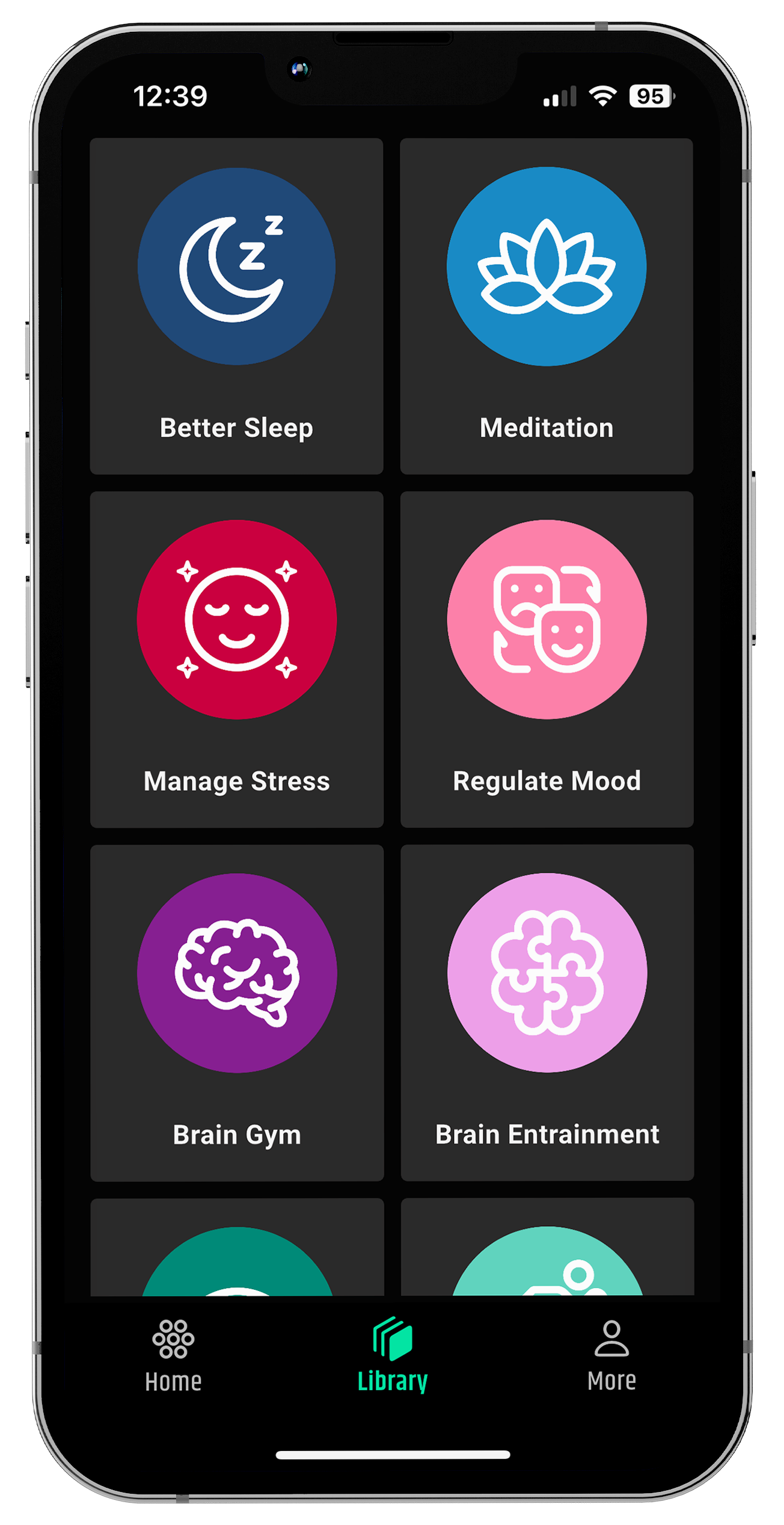
Stress lives in the body as much as the mind. Practices that engage the vagus nerve, regulate heart rate, or use light and sound stimulation can help the brain recalibrate its internal rhythms and improve signal clarity over time.

4. Releasing the Pressure to “Fix” Yourself

Healing clarity doesn’t come from self-criticism. It comes from listening. Many people notice improvement when they stop asking, “What’s wrong with me?” and start asking, “What does my nervous system need right now?”

How This Awareness Changes Your Relationship With Your Mind

When you understand stress-related brain fog through a neuroscience lens, something subtle but powerful shifts. The fog stops feeling like an enemy. Instead, it becomes information.

You begin to notice patterns when clarity fades, when it returns, and what environments or habits support it. Over time, this awareness builds trust with your own brain. You’re no longer fighting your mind; you’re learning its language.

We’ve seen that supporting brain health isn’t about forcing performance, it's about creating conditions where clarity can naturally re-emerge.

Conclusion 

Brain fog from stress is a reminder, not a verdict. A reminder that your brain has been carrying too much for too long, and that rest, regulation, and gentler rhythms matter more than pushing harder.

When the nervous system feels safe, the mind follows. Focus returns gradually. Thoughts feel lighter. Memory sharpens. Not because you forced it  but because you allowed your brain to do what it’s designed to do.

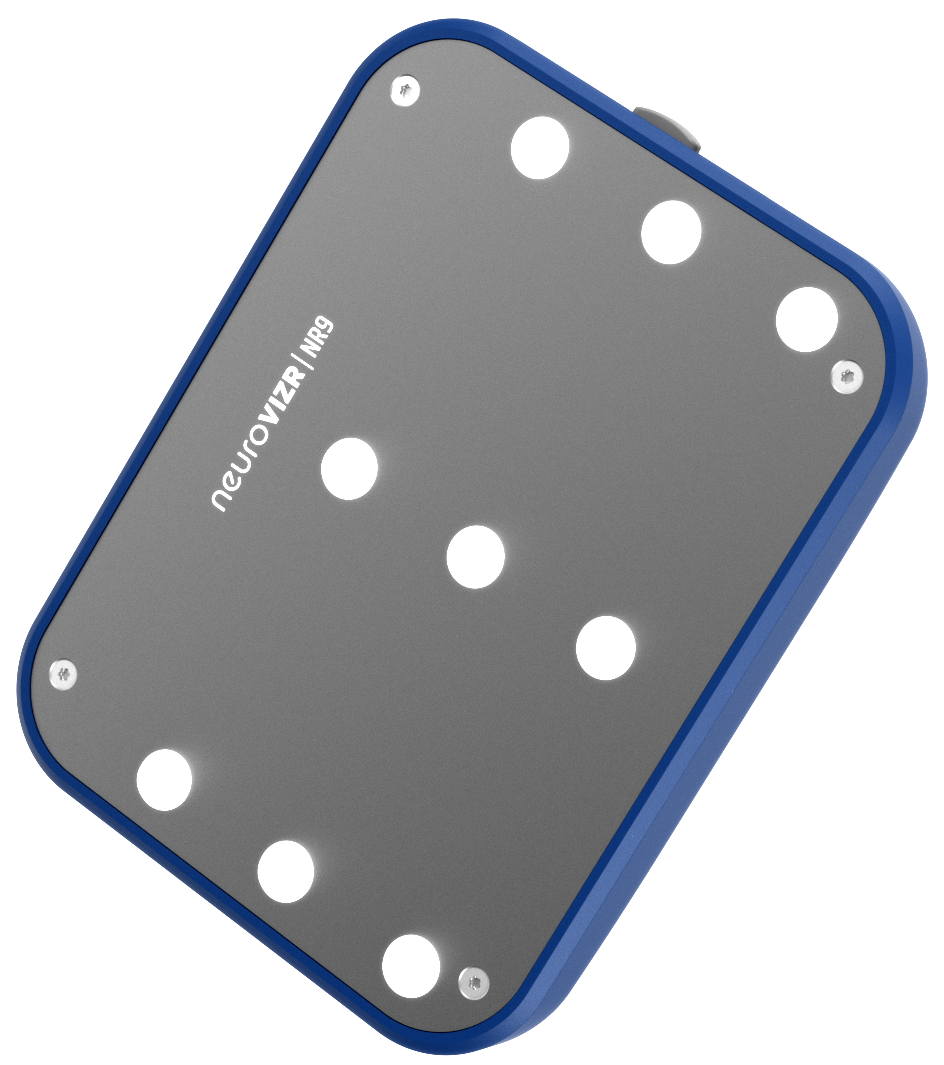
At neuroVIZR, we believe brain wellness begins with understanding  translating neuroscience into practices that help you feel more at home in your own mind.

FAQs

Can stress really cause brain fog?

Yes. Ongoing stress changes how the brain prioritises energy and attention. When the nervous system stays in survival mode, higher thinking areas involved in focus, memory, and clarity receive fewer resources, which can feel like mental fog.

Why does my brain feel slow or unfocused when I’m stressed?

Stress activates threat-response circuits in the brain, shifting activity away from the prefrontal cortex. This makes it harder to think clearly, recall information, or stay mentally organised even if you’re trying hard.

Is stress-related brain fog permanent?

No. Brain fog from stress is usually reversible. As the nervous system becomes more regulated and stress signals decrease, clarity often returns gradually. The brain is highly adaptable, especially when supported consistently.

How is brain fog from stress different from anxiety-related brain fog?

They often overlap. Stress-related fog tends to come from prolonged overload, while anxiety-related fog is driven by constant alertness and worry. In both cases, the brain is prioritising safety over clarity  not malfunctioning.

Content Reference 

  • National Institute of Mental Health

  • Harvard Medical School

  • American Psychological Association

  • Bruce S. McEwen

  • Stephen W. Porges

Disclaimer

This content is for educational purposes only and is not a substitute for professional medical or mental health advice. Please consult a qualified healthcare provider for ongoing or serious concerns.

 

You sit down to focus, but your thoughts feel slow. Words don’t come easily. You reread the same sentence again and again, wondering why your mind feels foggy even though you’re trying your best. This experience, often called brain fog, is one of the most common and misunderstood effects of prolonged stress.

Stress-related brain fog isn’t laziness, lack of discipline, or a personal flaw. It’s a signal. A message from your nervous system that it’s been operating in survival mode for too long. When stress becomes chronic, the brain changes how it allocates energy, attention, and safety  and clarity is often the first thing to go.

Understanding what’s happening beneath the surface can help shift the experience from self-blame to self-support.

Read more - can dehydration cause brain fog

What’s Actually Happening in the Brain During Stress-Related Brain Fog

From a neuroscience perspective, stress reshapes how different parts of the brain communicate.

When your brain detects ongoing pressure, emotional, cognitive, or physical, it activates survival pathways involving the amygdala, hypothalamus, and stress hormones like cortisol. These systems are incredibly useful in short bursts. They help you react quickly, stay alert, and get through immediate challenges.

The problem arises when this state becomes the default.

Under chronic stress:

  • The prefrontal cortex (responsible for focus, planning, and clear thinking) becomes less active

  • The brain prioritises threat monitoring over reflection and creativity

  • Neural resources are redirected toward staying “on guard,” not toward memory or mental flexibility

This shift can feel like mental slowness, forgetfulness, difficulty concentrating, or a sense that your thoughts are scattered or dull. Many people describe it as feeling mentally present but cognitively unavailable.

This experience closely overlaps with what people notice when anxiety is present where constant alertness coexists with exhaustion and reduced clarity. In fact, the mechanisms behind stress-related fog and anxiety-related fog are deeply connected, as explored in this discussion on how anxiety disorders affect brain clarity and focus.

Why Brain Fog Is a Protective Response, Not a Failure

One of the most important reframes is this: brain fog is not your brain malfunctioning  it’s your brain conserving energy.

Thinking deeply, holding information, and making decisions require a regulated nervous system. When stress remains unresolved, the brain reduces these higher-order functions to protect itself from overload. In a way, fog is the brain’s attempt to slow things down when it no longer feels safe to keep pushing.

This is why forcing productivity, over-stimulating yourself with caffeine, or mentally “powering through” often makes the fog worse. The nervous system hears more demand, not more safety.

Integration Working With the Brain Instead of Against It

Reducing stress-related brain fog isn’t about hacks or quick fixes. It’s about restoring conditions where the brain feels safe enough to think clearly again.

Some supportive approaches include:

1. Regulating the Nervous System First

Before clarity can return, the nervous system needs signals of safety. Slow breathing, gentle movement, time in low-stimulus environments, and rhythmic sensory input can help shift the brain out of constant alert mode.

2. Reducing Cognitive Load

When the brain is under stress, multitasking and constant decision-making increase fog. Simplifying choices, writing things down, and allowing mental rest are not weaknesses; they're neurological support strategies.

3. Supporting Brain–Body Communication

Stress lives in the body as much as the mind. Practices that engage the vagus nerve, regulate heart rate, or use light and sound stimulation can help the brain recalibrate its internal rhythms and improve signal clarity over time.

4. Releasing the Pressure to “Fix” Yourself

Healing clarity doesn’t come from self-criticism. It comes from listening. Many people notice improvement when they stop asking, “What’s wrong with me?” and start asking, “What does my nervous system need right now?”

How This Awareness Changes Your Relationship With Your Mind

When you understand stress-related brain fog through a neuroscience lens, something subtle but powerful shifts. The fog stops feeling like an enemy. Instead, it becomes information.

You begin to notice patterns when clarity fades, when it returns, and what environments or habits support it. Over time, this awareness builds trust with your own brain. You’re no longer fighting your mind; you’re learning its language.

We’ve seen that supporting brain health isn’t about forcing performance, it's about creating conditions where clarity can naturally re-emerge.

Conclusion 

Brain fog from stress is a reminder, not a verdict. A reminder that your brain has been carrying too much for too long, and that rest, regulation, and gentler rhythms matter more than pushing harder.

When the nervous system feels safe, the mind follows. Focus returns gradually. Thoughts feel lighter. Memory sharpens. Not because you forced it  but because you allowed your brain to do what it’s designed to do.

At neuroVIZR, we believe brain wellness begins with understanding  translating neuroscience into practices that help you feel more at home in your own mind.

FAQs

Can stress really cause brain fog?

Yes. Ongoing stress changes how the brain prioritises energy and attention. When the nervous system stays in survival mode, higher thinking areas involved in focus, memory, and clarity receive fewer resources, which can feel like mental fog.

Why does my brain feel slow or unfocused when I’m stressed?

Stress activates threat-response circuits in the brain, shifting activity away from the prefrontal cortex. This makes it harder to think clearly, recall information, or stay mentally organised even if you’re trying hard.

Is stress-related brain fog permanent?

No. Brain fog from stress is usually reversible. As the nervous system becomes more regulated and stress signals decrease, clarity often returns gradually. The brain is highly adaptable, especially when supported consistently.

How is brain fog from stress different from anxiety-related brain fog?

They often overlap. Stress-related fog tends to come from prolonged overload, while anxiety-related fog is driven by constant alertness and worry. In both cases, the brain is prioritising safety over clarity  not malfunctioning.

Content Reference 

  • National Institute of Mental Health

  • Harvard Medical School

  • American Psychological Association

  • Bruce S. McEwen

  • Stephen W. Porges

Disclaimer

This content is for educational purposes only and is not a substitute for professional medical or mental health advice. Please consult a qualified healthcare provider for ongoing or serious concerns.


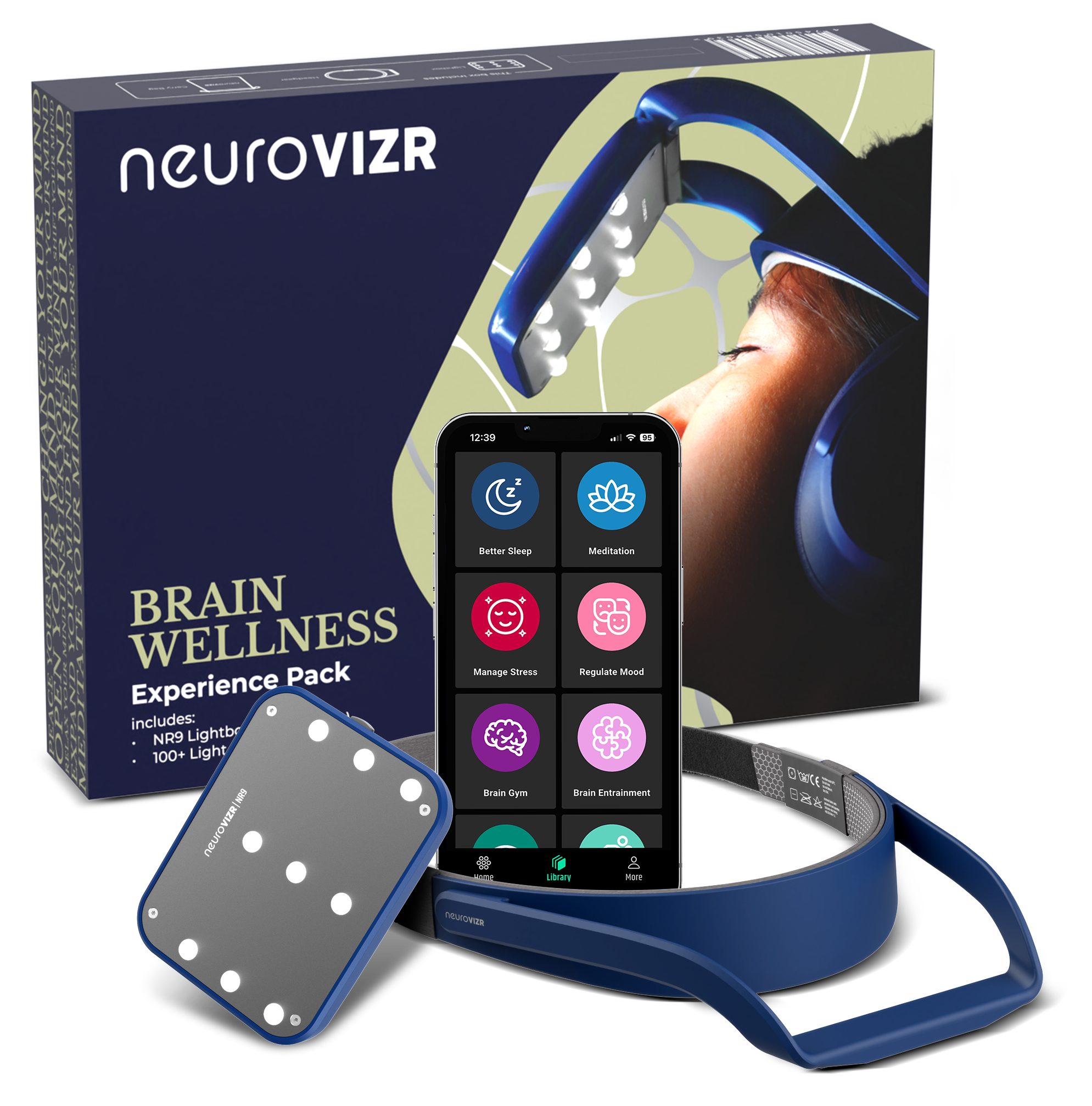
Enhance Your Mental Clarity With neuroVIZR