


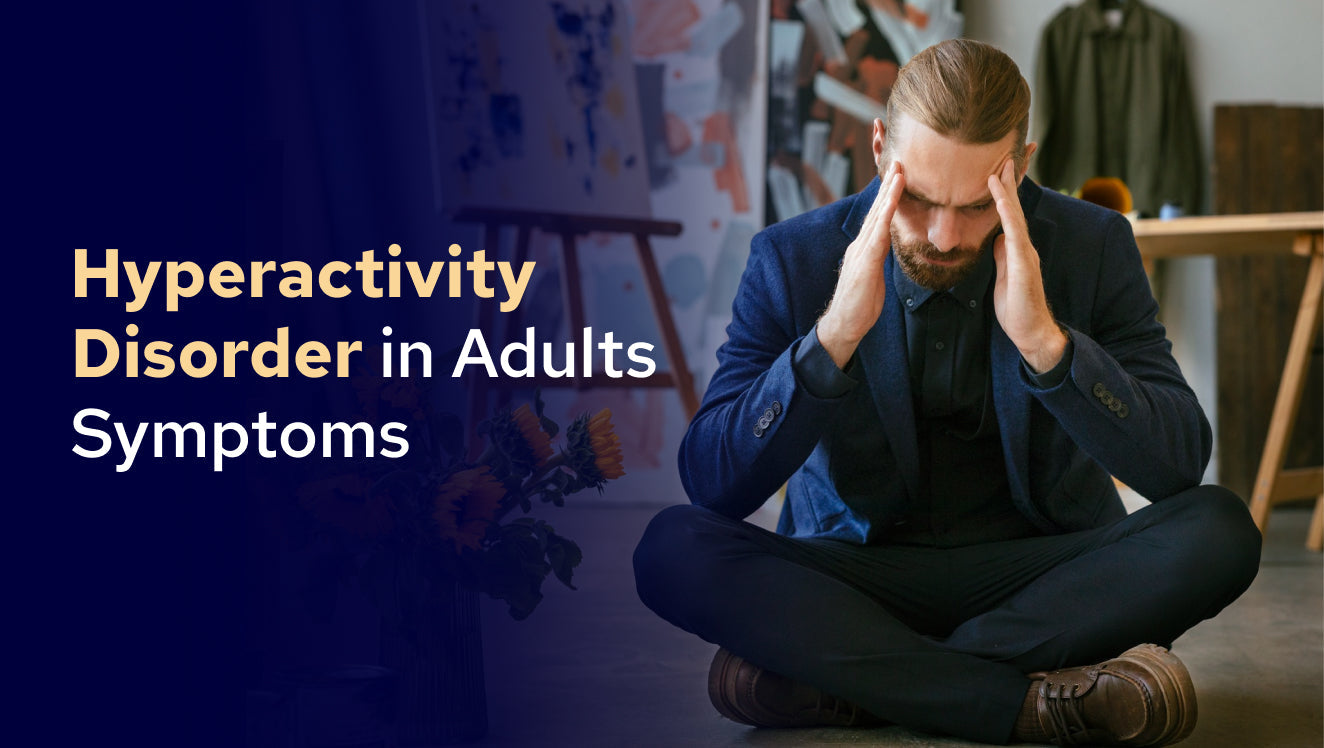
When your brain is like a high-speed engine - speedy, noisy, hard to slow down - you may have asked yourself: Is this stress? Overthinking? Burnout? Or ADHD or hyper-active brain work?
A lot of adults experience severe mental hyperactivity, interior stress, impulsivity, inability to concentrate, or even chronic procrastination, and only know that these symptoms are patterns of hyperactivity-type ADHD. Hyperactivity in adults is usually concealed since it is generally known in childhood (by observable behavior, such as running, climbing, not being able to sit down). It is turned into something inward, noiseless, overwhelming and tiresome.
And it is misunderstood by the world. Thinking fast may appear a s ambition. Business schedules may appear to be productive. Passion or volatility can be the manifestation of emotional intensity. The lack of memory may be termed as uninterest.
However, all this is being processed by an overworked nervous system.
What Hyperactivity is in Adults -
When the majority of the world learns about hyperactivity, the first thought that comes to one is a hyperactive child who can never sit in one place. However, in the case of adults, hyperactivity occurs unnoticeably.
It appears in the form of speed of the mind rather than the body. The body may be in rest, yet the brain is at 120km/hr.
In neuroscience terms, hyperactivity has been associated with the dysregulation of the executive-control mechanism of the brain, especially in:
-
Prefrontal Cortex- carries out planning, memory (working), organisation and decision making.
-
Dopamine reward circuitry - affects motivation, drive and regulation of stimulus-response.
-
Default Mode Network (DMN)- The brain system that is used in inner thought and rumination.
-
Amygdala and stress-arousal loops - controlling emotional responsiveness and internal vigilance.
External Behaviours
- Difficulty finishing tasks
- Interrupting or talking quickly
- Constant mental multitasking
- Impulsivity with decisions
- Hyperfocus on interesting tasks
- Restlessness without movement
Internal Experience
- Feeling mentally overloaded
- Racing thoughts or urgency
- Feeling chaotic or disorganized
- Difficulty regulating emotions
- Avoidance of overwhelming ones
- Body tension & nervous energy
Not Just ADHD: Mood, Attention and Motivation.
Many researchers and clinicians would indicate that issues in adult attention are not necessarily classic ADHD - they tend to be mixed up with emotional-regulation patterns and limbic system reactions.
Other theories, such as the new theory of Limbic Attention Deficit Disorder, examine how issues of attention difficulties and problems of emotional regulation are connected together, particularly in individuals who live with chronic stress or were overwhelmed in the past.
Similarly, there is a general discussion of treatment that usually shifts between medication and nervous-system-based treatments. The conventional pharmacological solutions may help many individuals but may not reach the whole emotional and sensory depth of the situation.
To have a more in-depth examination of the interaction between medication attitudes and attention patterns, check out our article on Prozac Attention Deficit Disorder - a reflective view on medical and integrative approaches to solution
These discussions highlight an important point:
Attention problems are not often a one-dimensional issue.
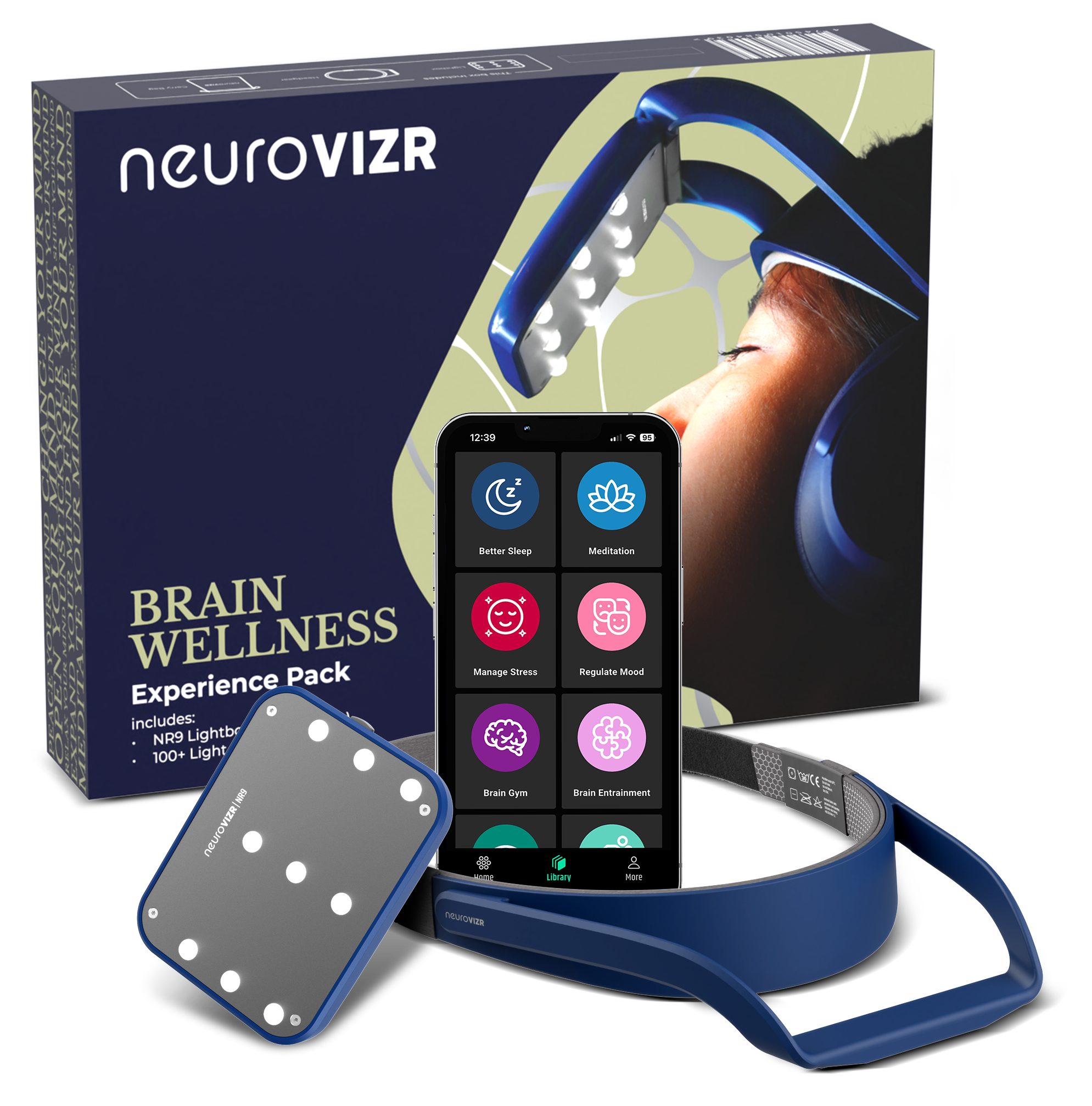
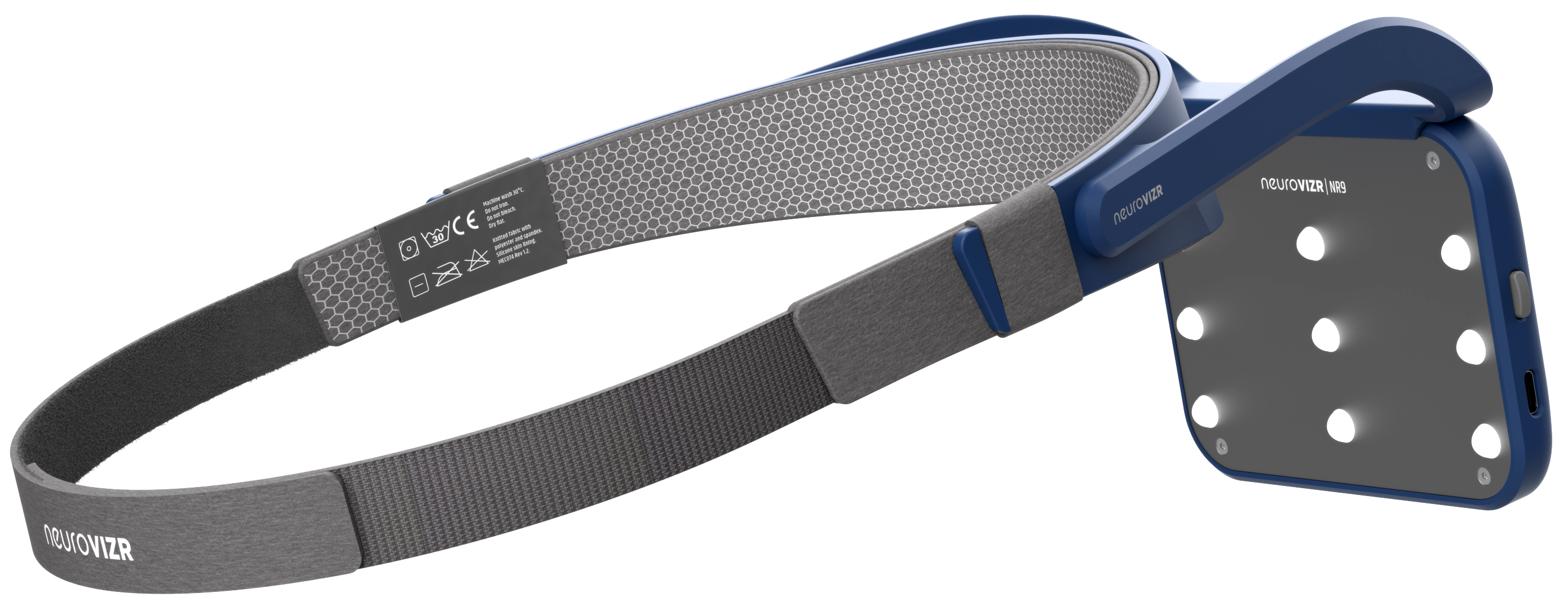
The Ways neuroVIZR Can Assist You-
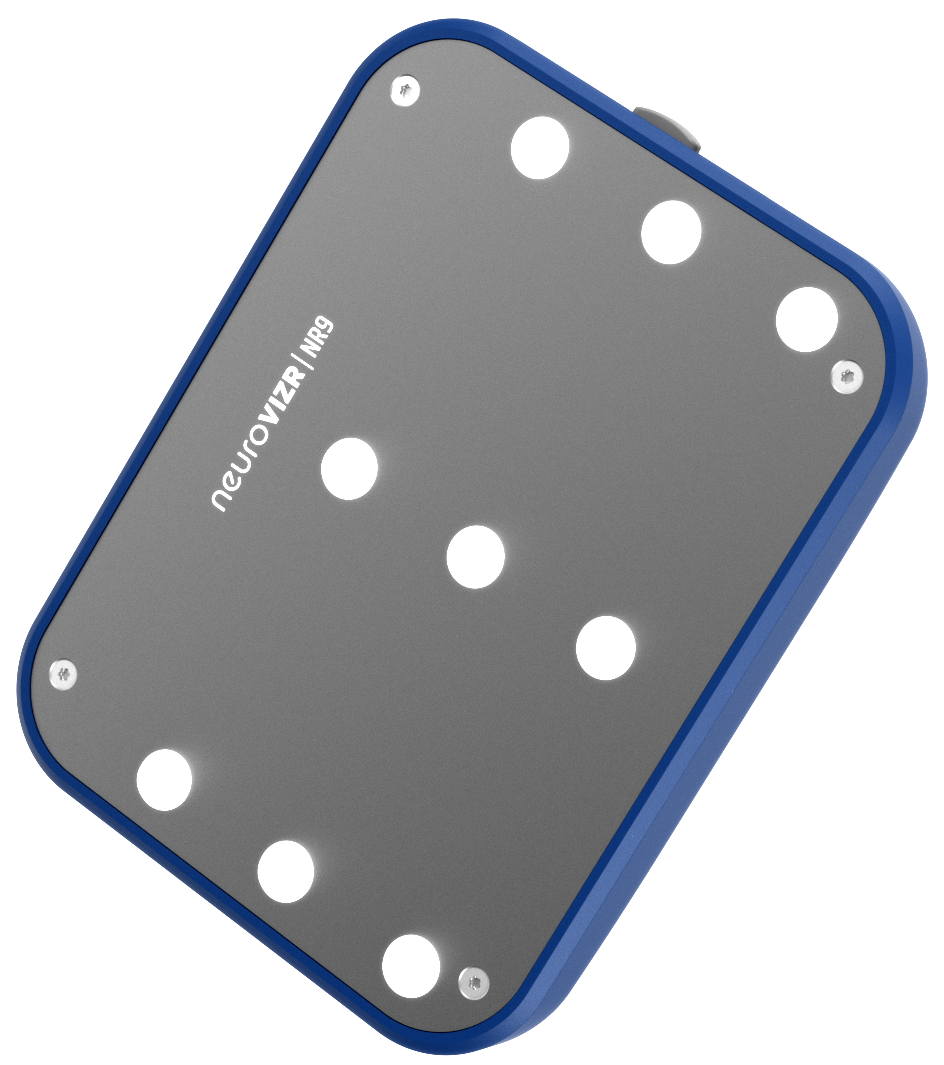
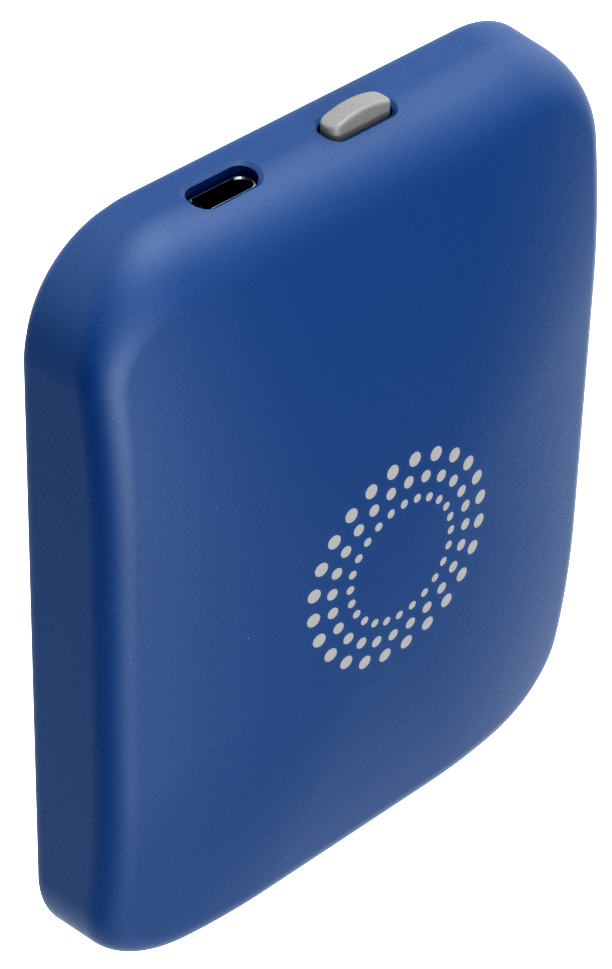
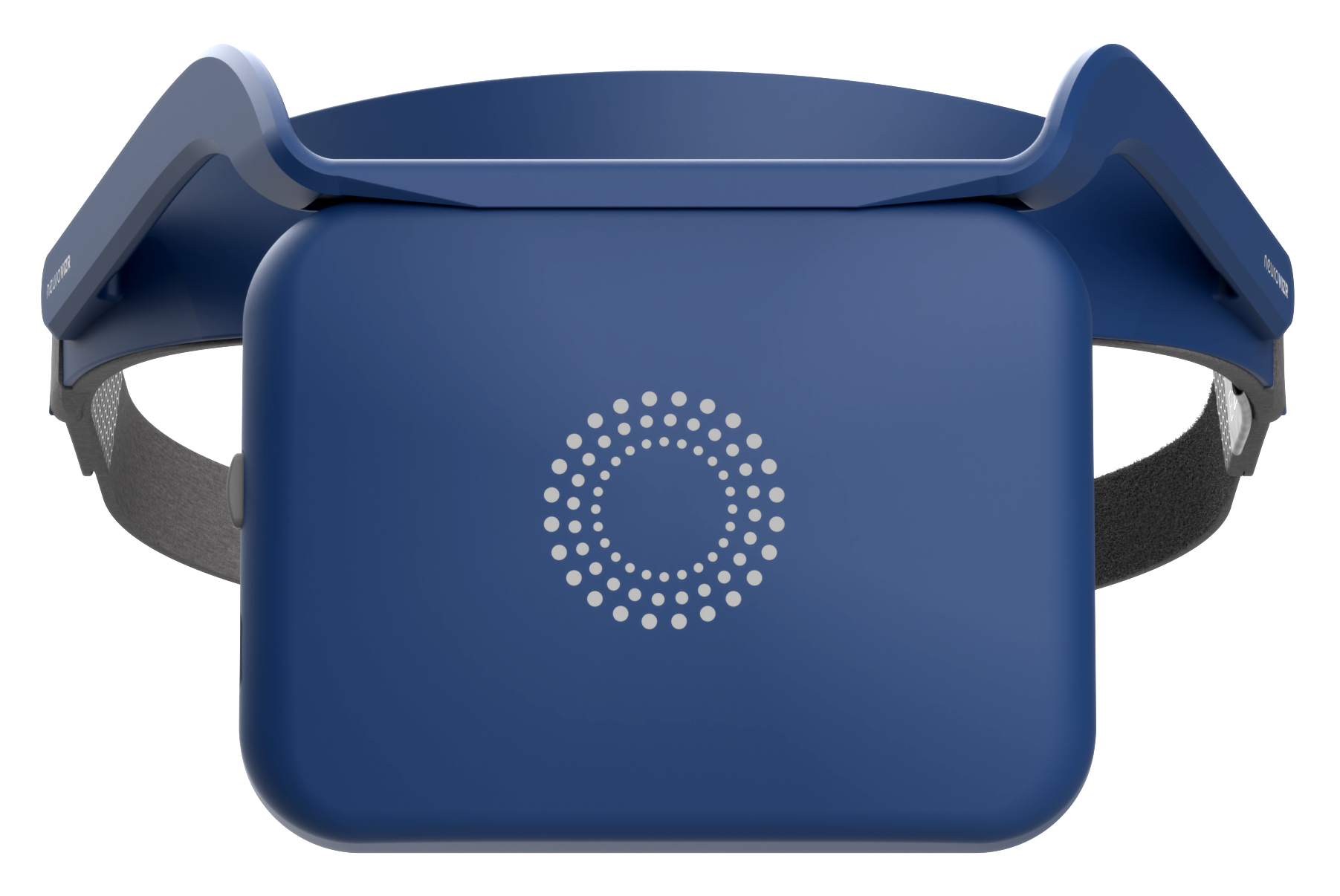
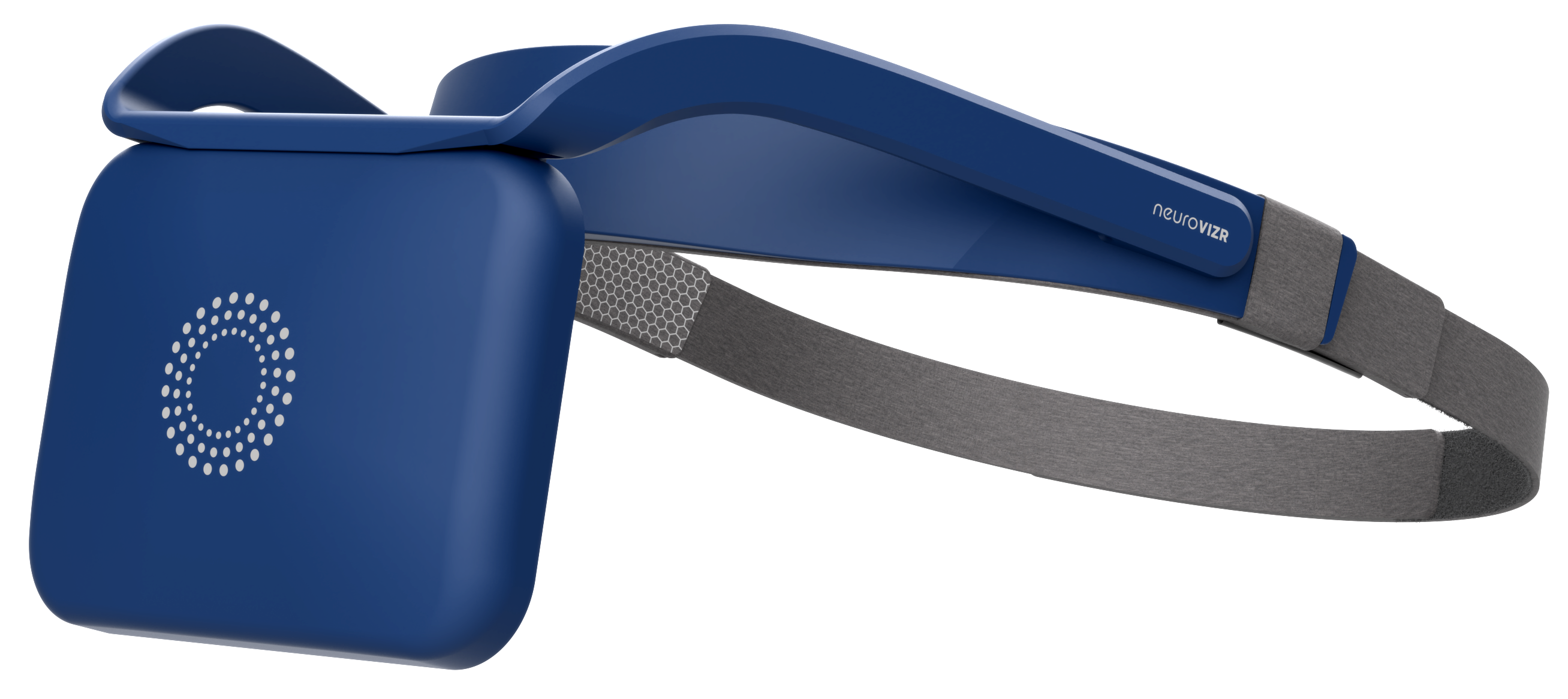
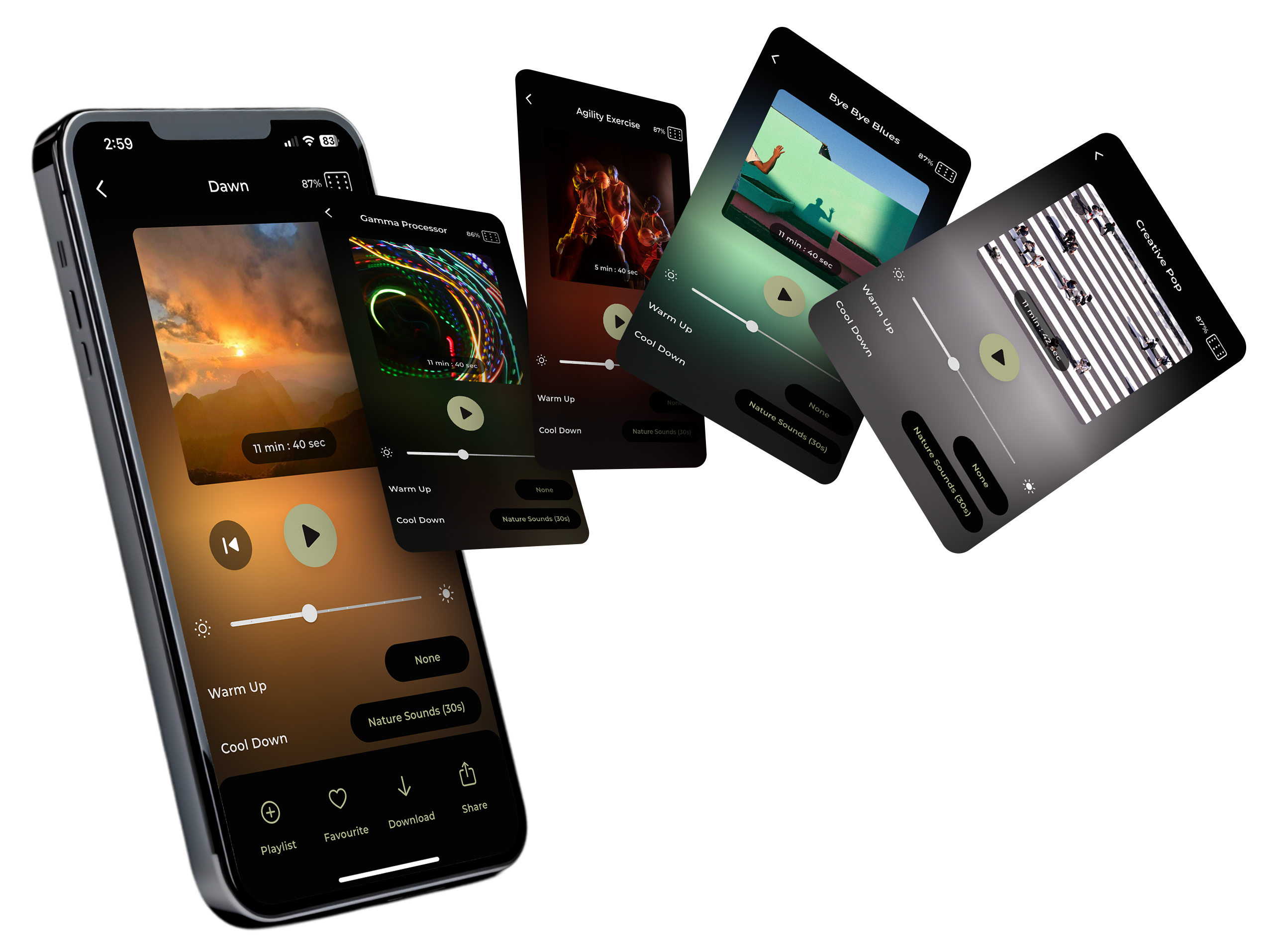
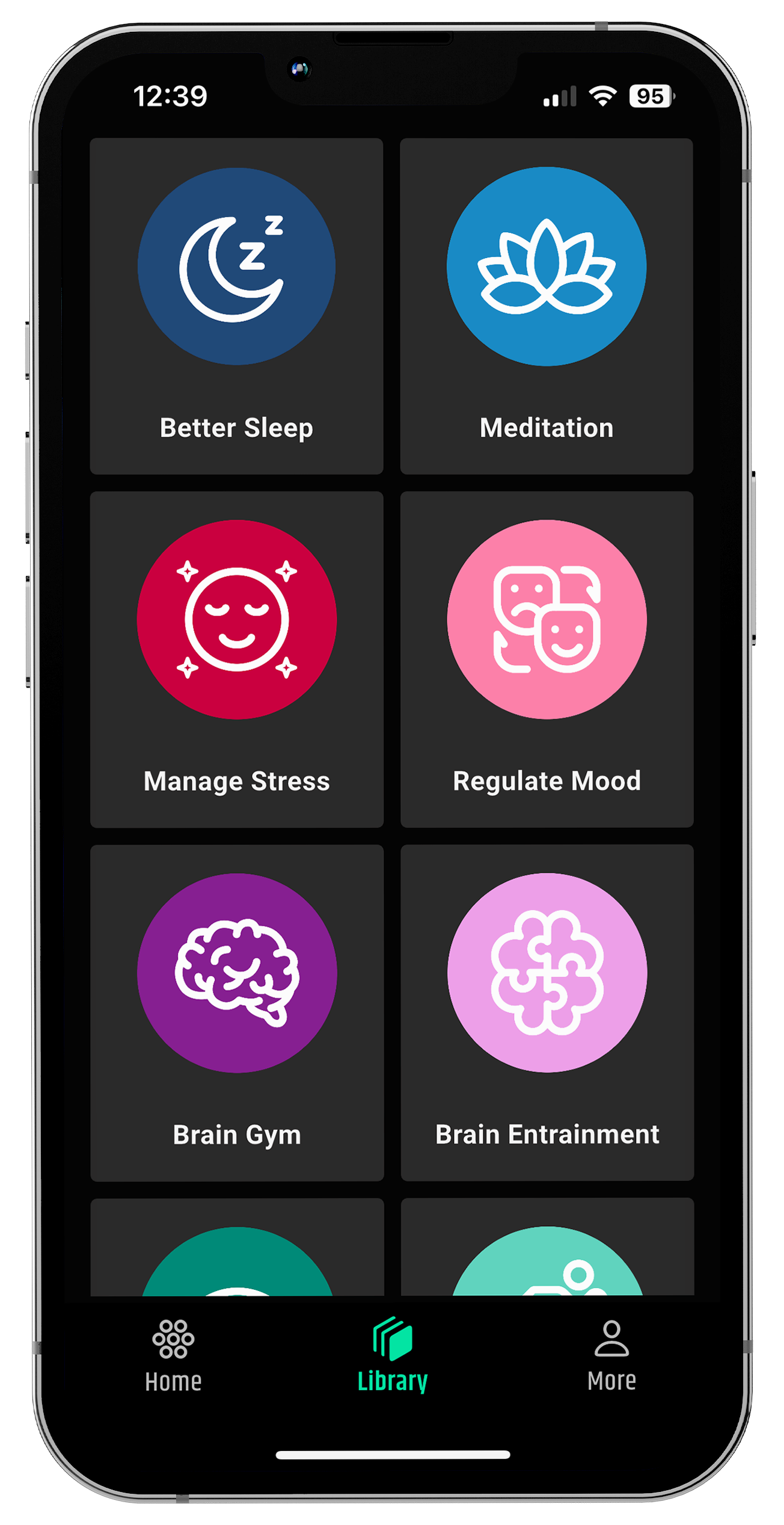
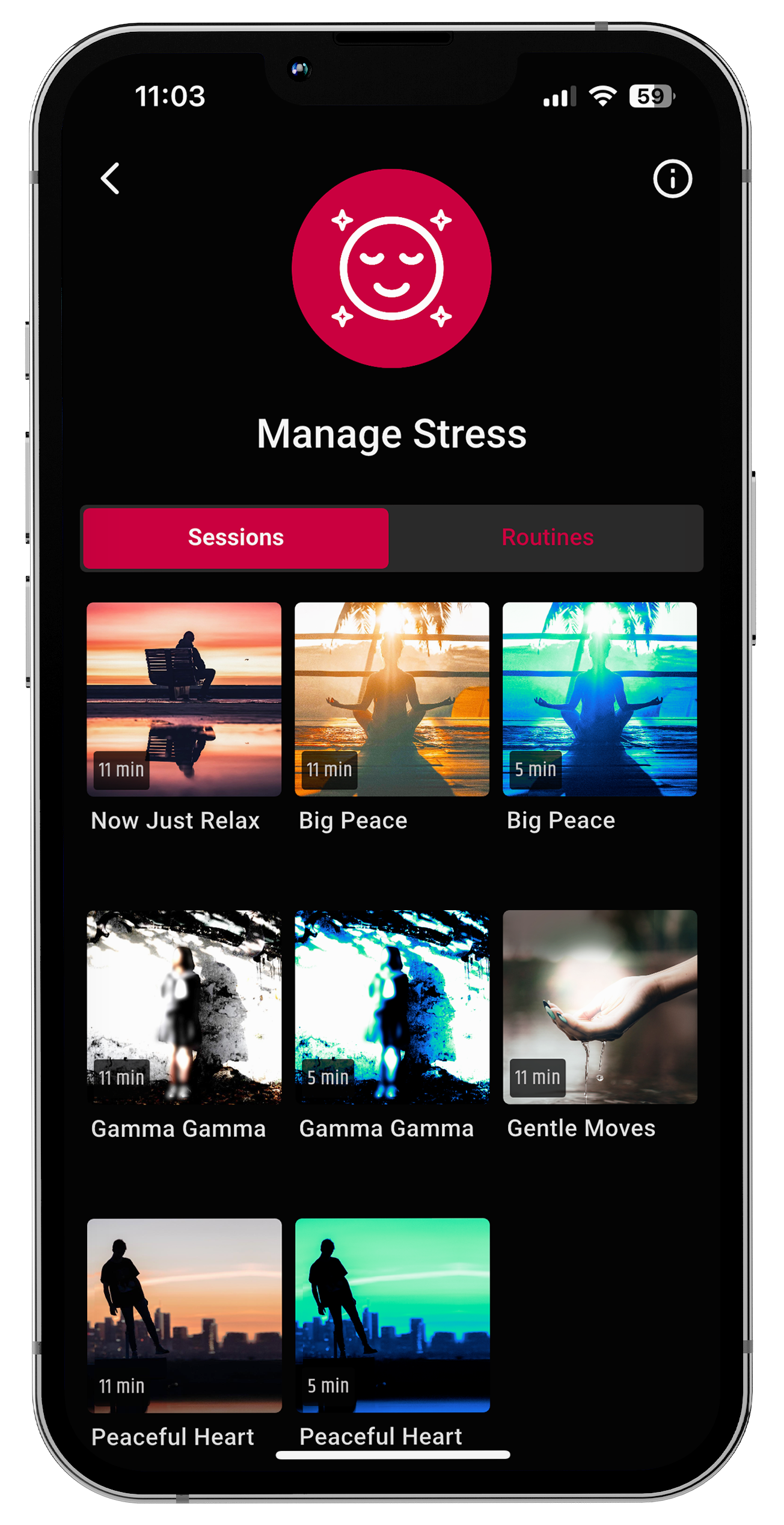
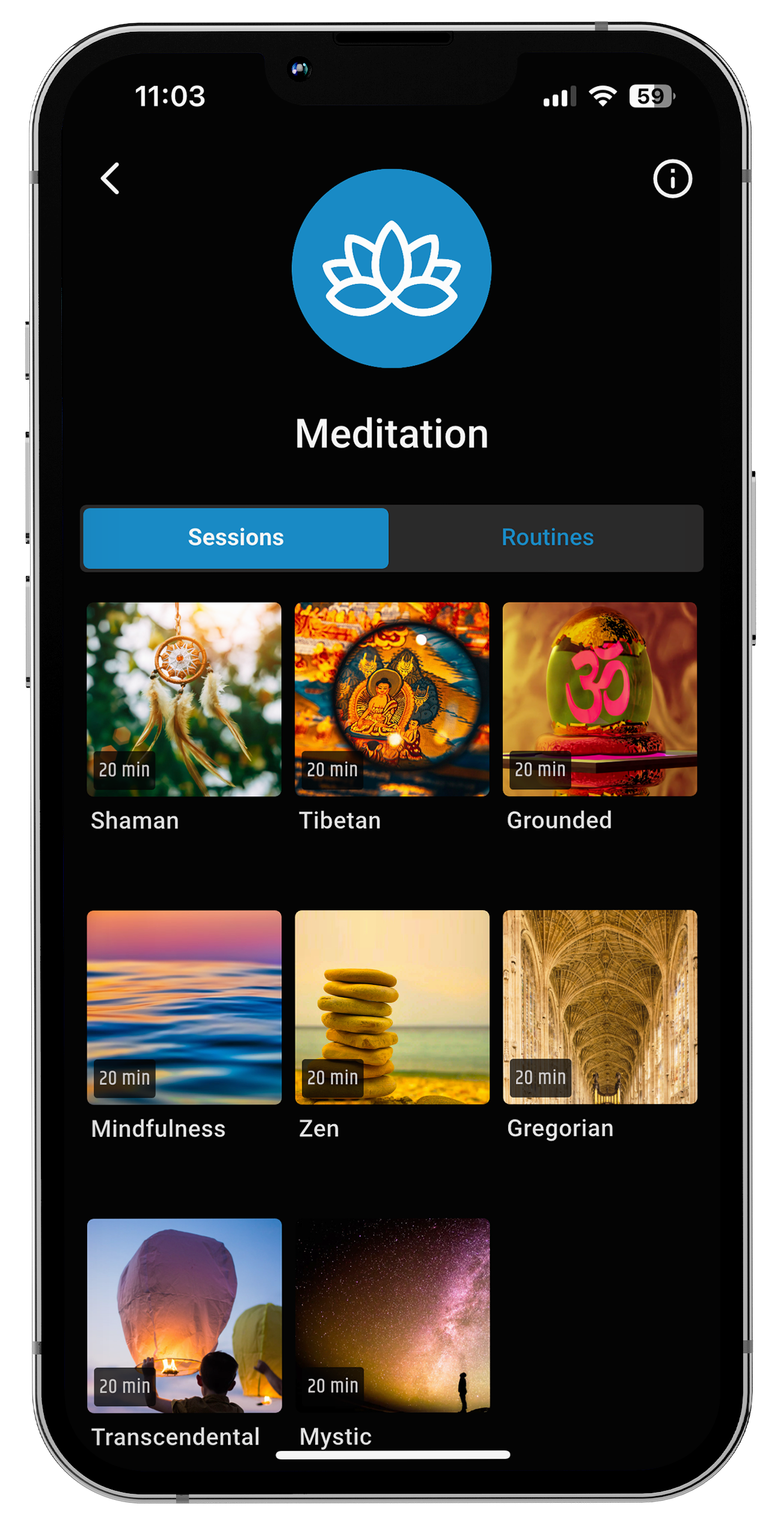
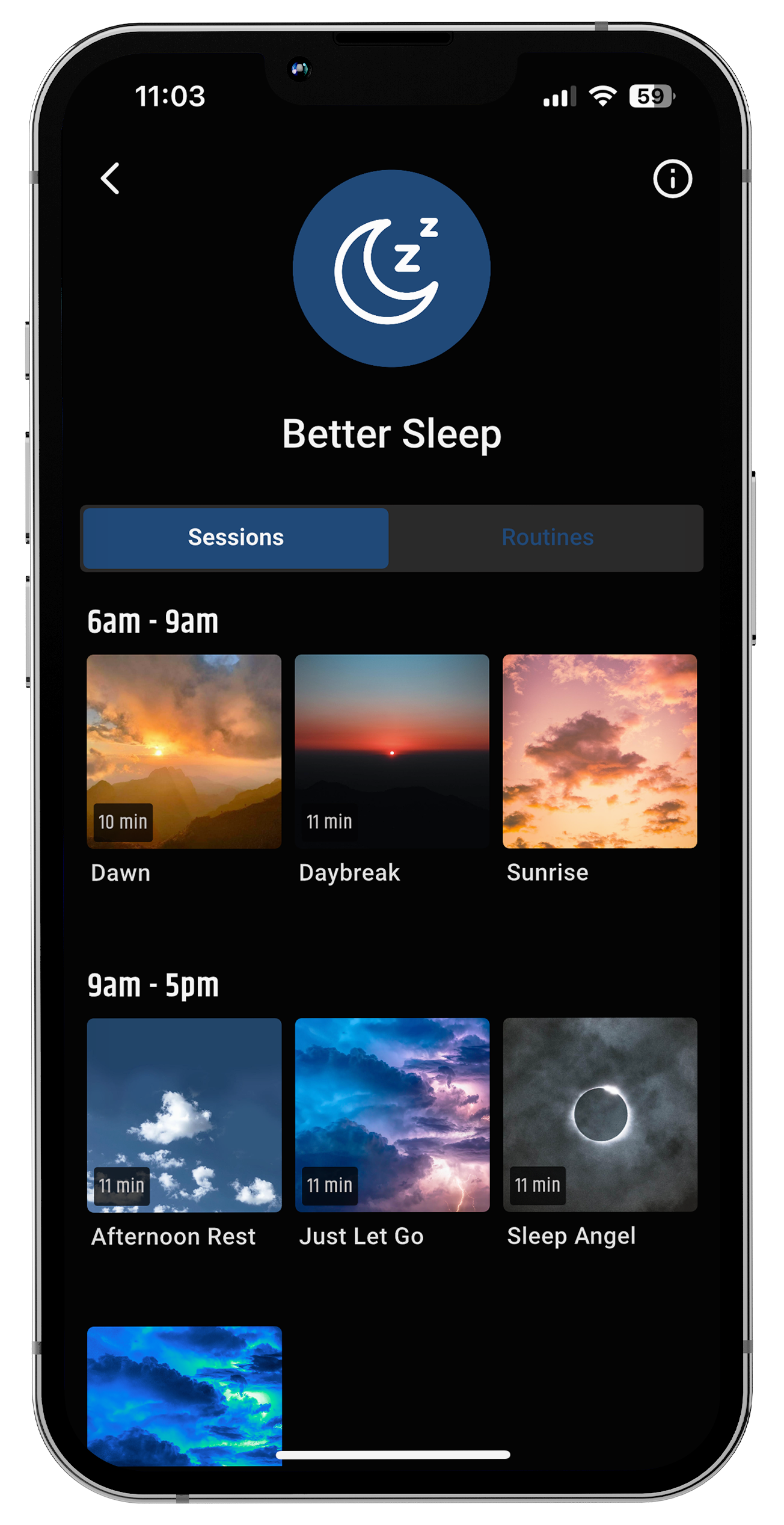
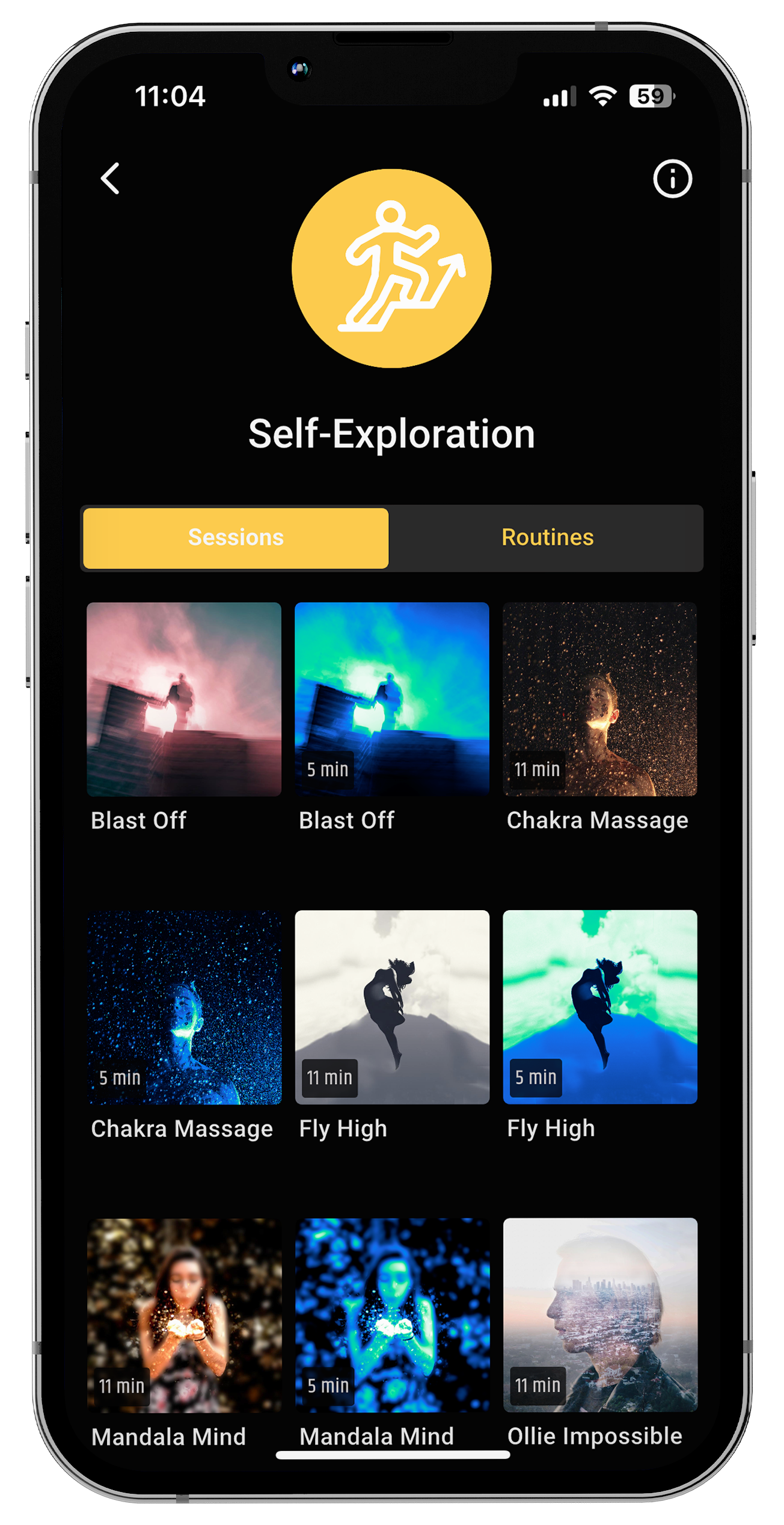
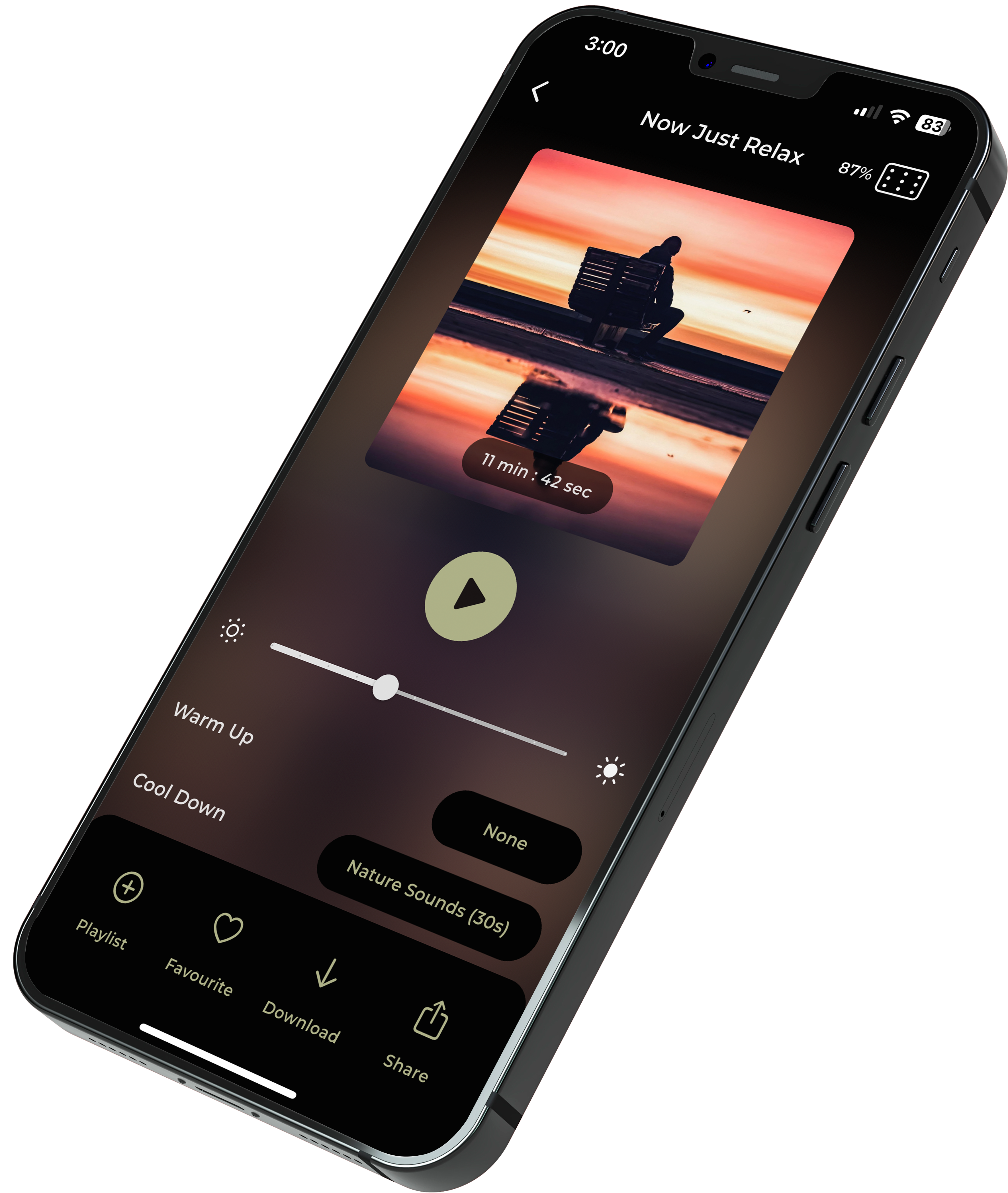
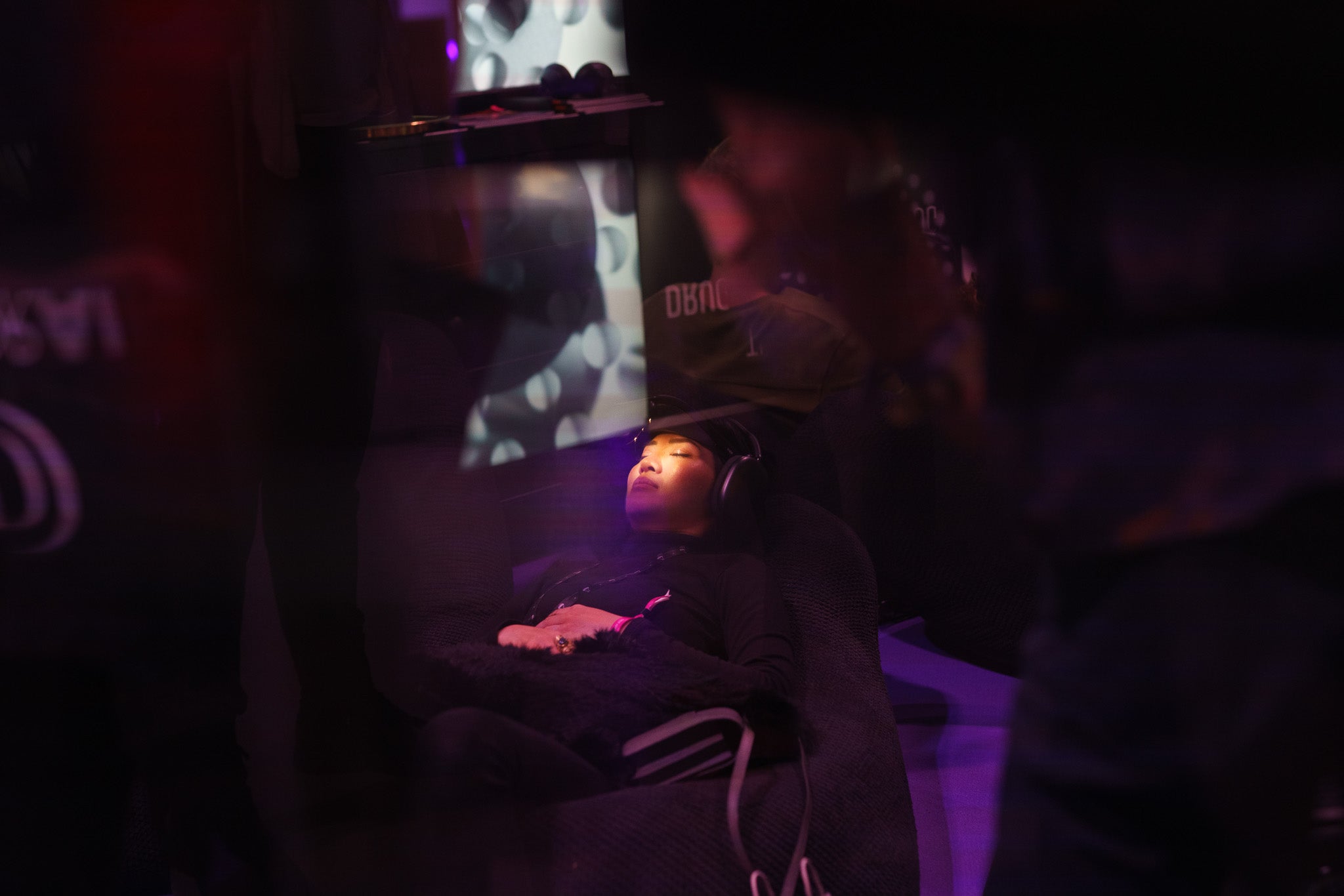
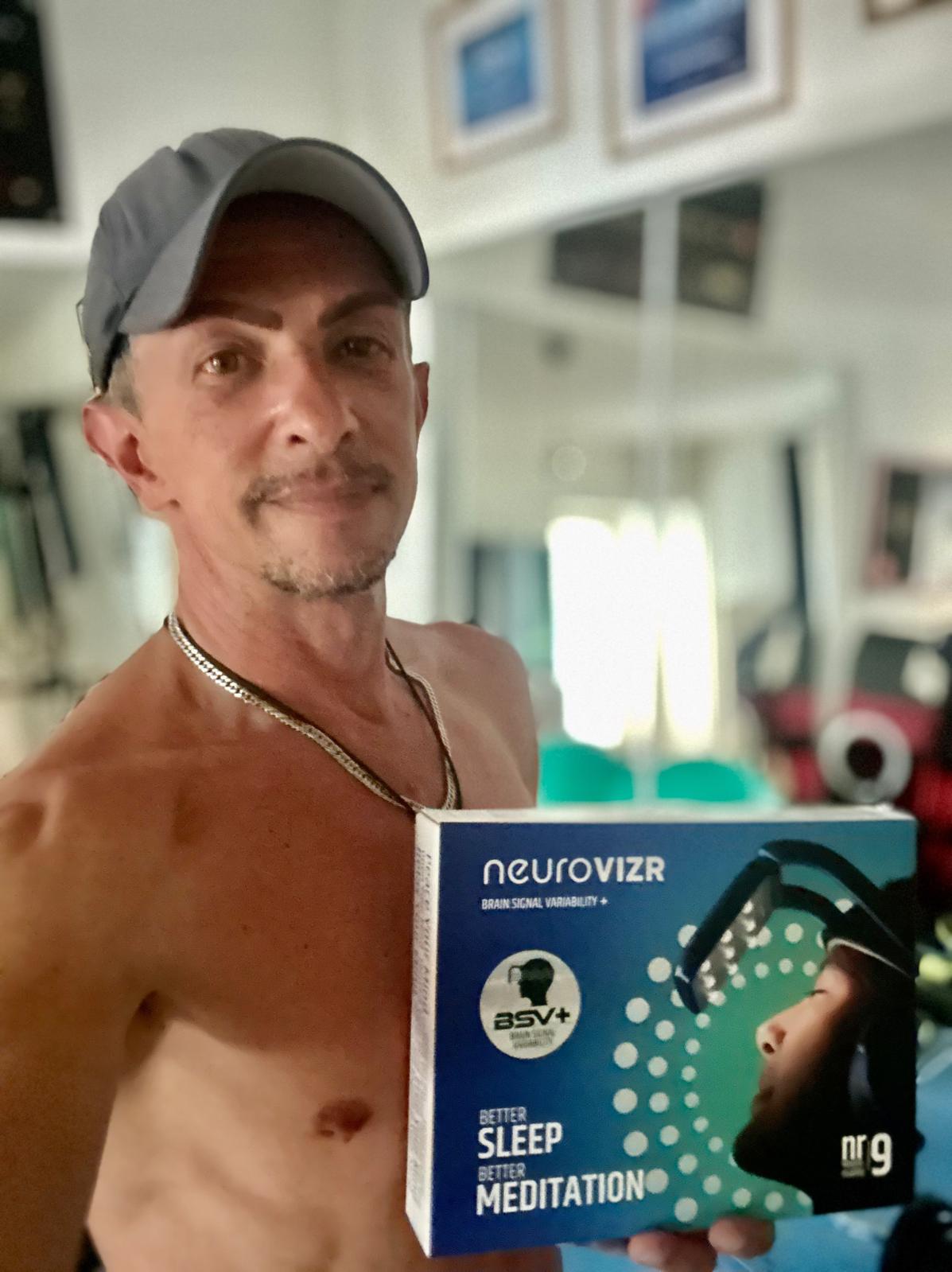
 neuroVIZR makes light and sound patterns to play softly on the brain and help to transition between the state of focus, calmness, and clarity. Rather than making the brain act in a particular manner, it promptly promotes neural flexibility - making the nervous system recall how to control more instinctively. This type of sensory-based brain activity can serve as a supportive wellness activity with movement, mindfulness, therapy, or lifestyle modifications, to adults who feel restless, distracted, or overloaded by their thoughts. It is not a therapy - it is only a science-based method of exploring more of the balance internally.
Key Takeaways
-
Adult hyperactivity often hides behind productivity, hustle, or restlessness.
-
Attention challenges are deeply connected to nervous-system states.
-
Emotional regulation and brainwaves shape focus more than willpower.
-
Regulation comes from listening, not pushing.
-
Science & humanity together create real healing.
Conclusion
Adult hyperactivity is not always loud, visible, or easily recognized; it often lives quietly inside the mind. When we understand that attention and emotional regulation are deeply connected to the nervous system, we begin to see ourselves with more clarity and compassion. Tools like neuroVIZR can gently support balance, flexibility, and calm without forcing the brain. If your mind feels like it’s always running, remember: regulation is possible, and you’re not alone in the journey toward clarity and control.
Disclaimer
This content is for educational purposes only and is not medical advice. neuroVIZR is a wellness tool, not a medical device or treatment. For diagnosis or ongoing symptoms, please consult a healthcare professional.








Share:
Prozac Attention Deficit Disorder
Can Menstruation Cause Headaches?