



Disclaimer
This content is for informational purposes only and does not constitute medical advice. Limbic Attention Deficit Disorder is a theoretical concept and is not recognized as an official diagnosis. If you have concerns about your health, attention, or wellbeing, please consult a qualified healthcare professional. neuroVIZR is a wellness-oriented sensory tool and does not replace medical care.
Limbic Attention Deficit Disorder is a concept that appears in alternative models of attention patterns. While it is not part of officially recognized diagnostic frameworks, it is often discussed because it reflects a common experience where focus and mood seem closely connected.
This article explores the idea behind the theory, how it relates to the limbic system, and what current research suggests about attention and emotional patterns.
What Is Limbic Attention Deficit Disorder?
In this theoretical model, limbic attention patterns describe a situation where focus challenges appear alongside noticeable shifts in mood and motivation.
People who relate to this concept often describe:
-
Difficulty maintaining focus on routine tasks
-
Fluctuating motivation levels
-
Short attention spans in repetitive environments
-
Periods of low energy or reduced engagement
It is important to understand that this is a descriptive framework, not a formal diagnosis.
Understanding the Limbic System in Simple Terms
The limbic system is a group of brain structures involved in:
-
Emotional responses
-
Memory formation
-
Motivation and interest
-
Reaction to new or stressful situations
Key areas include:
-
Amygdala
-
Hippocampus
-
Cingulate regions
These systems work alongside thinking and planning areas of the brain. When emotional intensity or stress increases, it can influence how easily a person focuses or completes tasks.
Possible Patterns Linked to This Theory
Although not clinically defined, the theory suggests two overlapping patterns:
Attention-Related Patterns
-
Short focus span for repetitive tasks
-
Easily distracted
-
Difficulty completing long tasks
-
Challenges with organization
Mood-Linked Patterns
-
Periods of low mood or reduced interest
-
Feeling mentally “foggy” at times
-
Lower motivation during certain phases
-
Preference for low-stimulation environments
These patterns are not diagnostic criteria they are simply observations within the model.
Is Limbic Attention Deficit Disorder an Official Diagnosis?
No.
Current clinical frameworks recognize attention-related differences using established categories. These are widely used in research and professional settings.
The limbic subtype model is not part of these official classifications. However, the broader idea that emotional patterns can influence attention is widely acknowledged.
Why This Concept Still Resonates with Many People
Even without formal recognition, the theory reflects a real-world experience:
-
Focus changes depending on stress levels
-
Emotional state affects productivity
-
Motivation can fluctuate throughout the day
Many people find the concept helpful because it provides a way to describe these patterns in everyday life.
Practical, Non-Medical Ways to Support Focus and Calm
Rather than focusing on labels, many people explore simple, supportive routines to manage attention and mental clarity.
Helpful approaches include:
-
Creating consistent daily routines
-
Breaking tasks into smaller steps
-
Taking short breaks between focused work
-
Using calming sensory inputs
-
Maintaining regular sleep patterns
-
Incorporating light movement throughout the day
These strategies are not treatments but can help support more stable focus and calm engagement.
The Role of Sensory Experiences in Daily Focus
Some people find that structured sensory environments help them transition into more focused states.
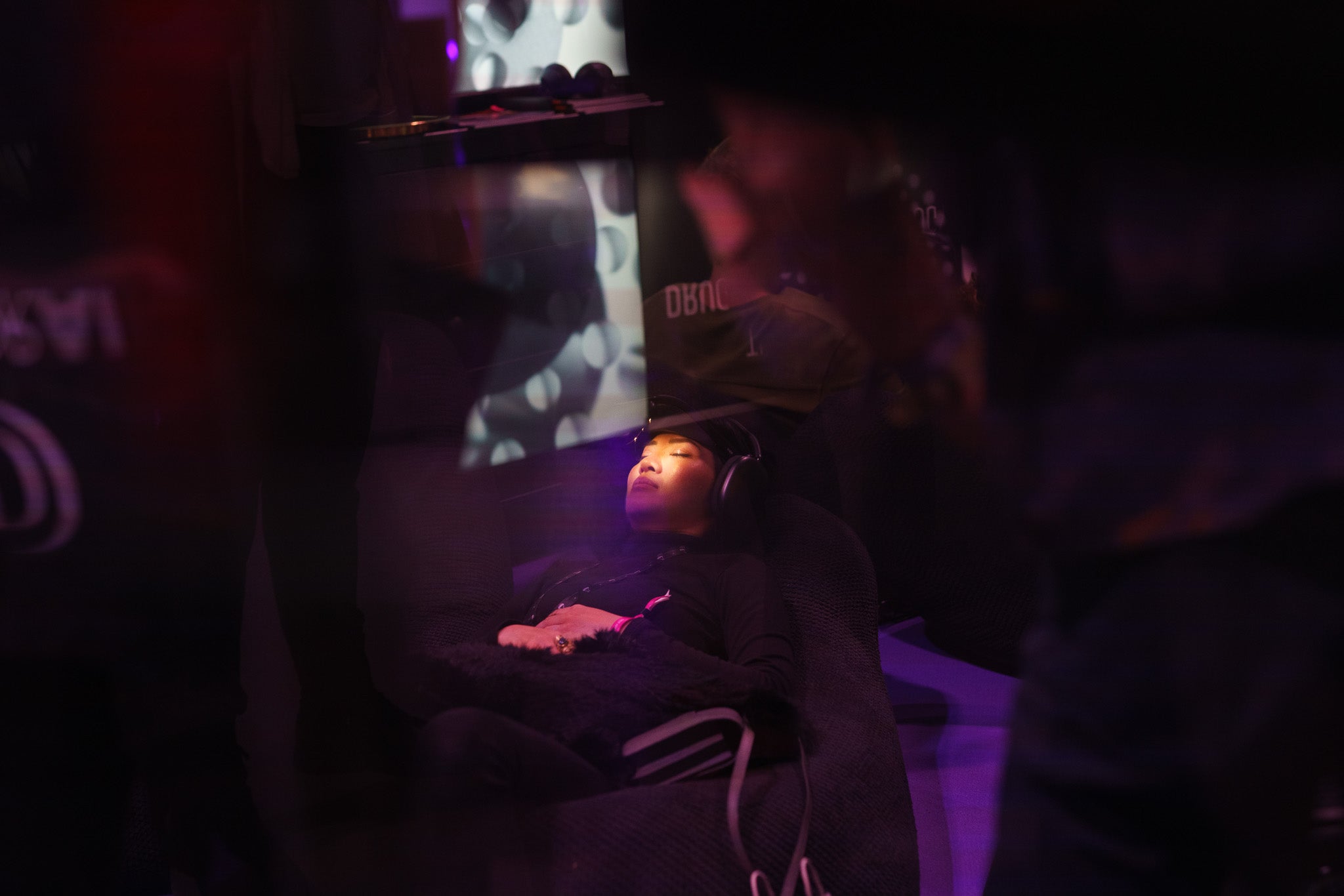
Tools that use rhythmic light and sound patterns are designed to create immersive sensory experiences that may support:
-
Moments of calm before tasks
-
Gentle mental resets
-
Improved readiness for focused activities
These experiences are part of a broader wellness approach and are often used alongside daily routines.
How neuroVIZR Fits into a Wellness Routine
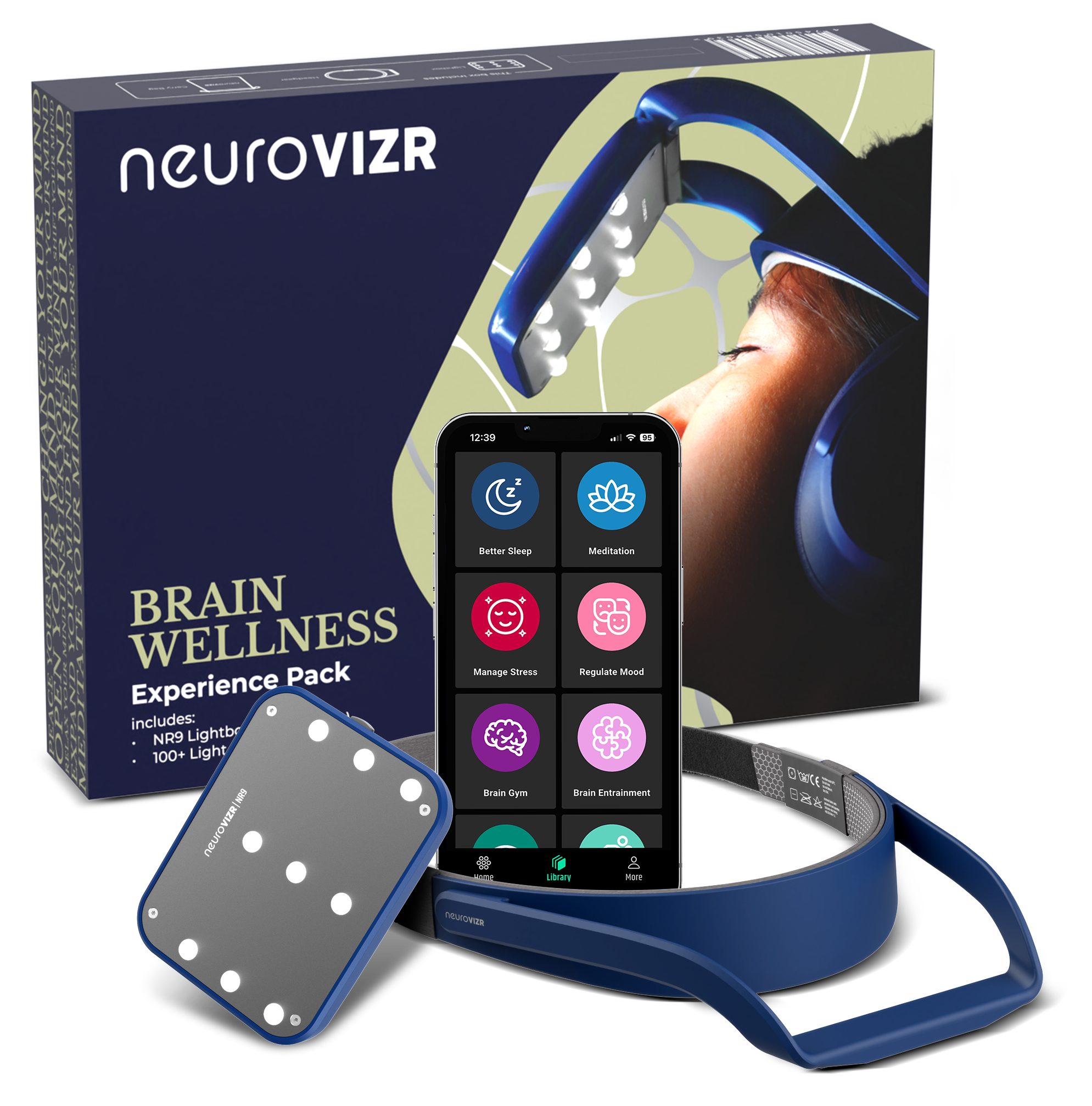
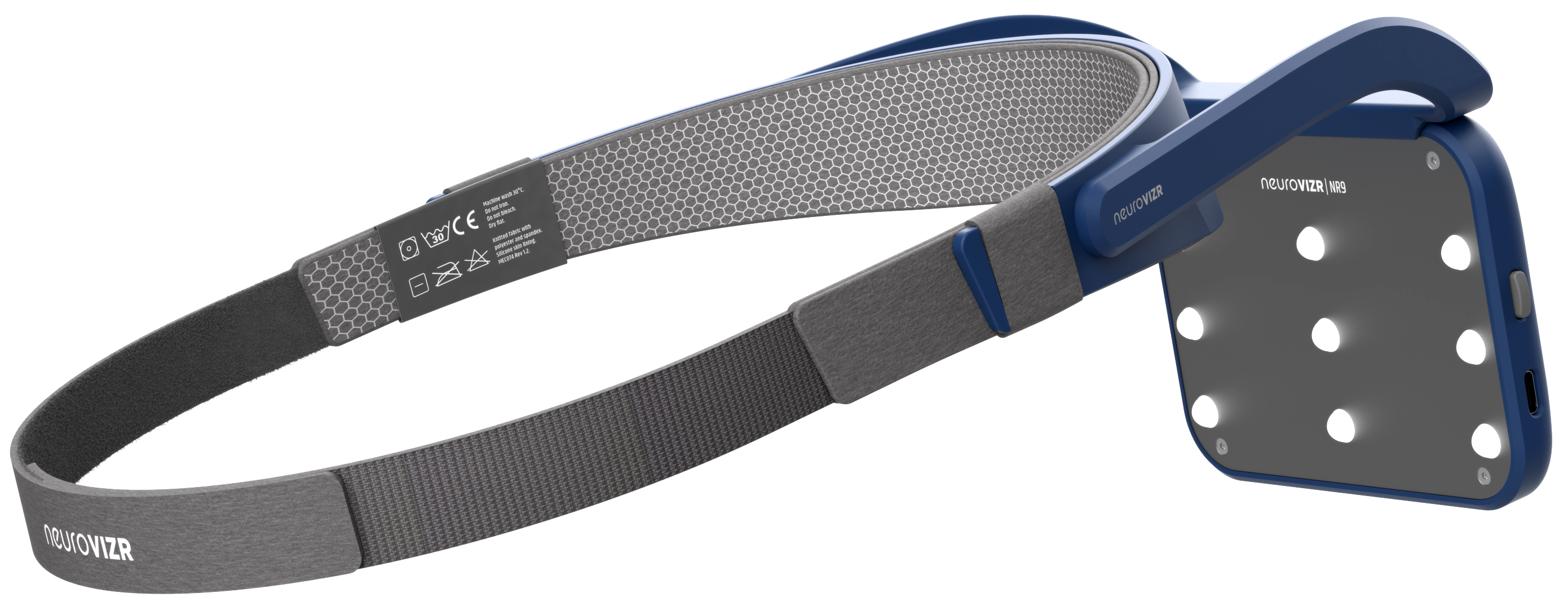
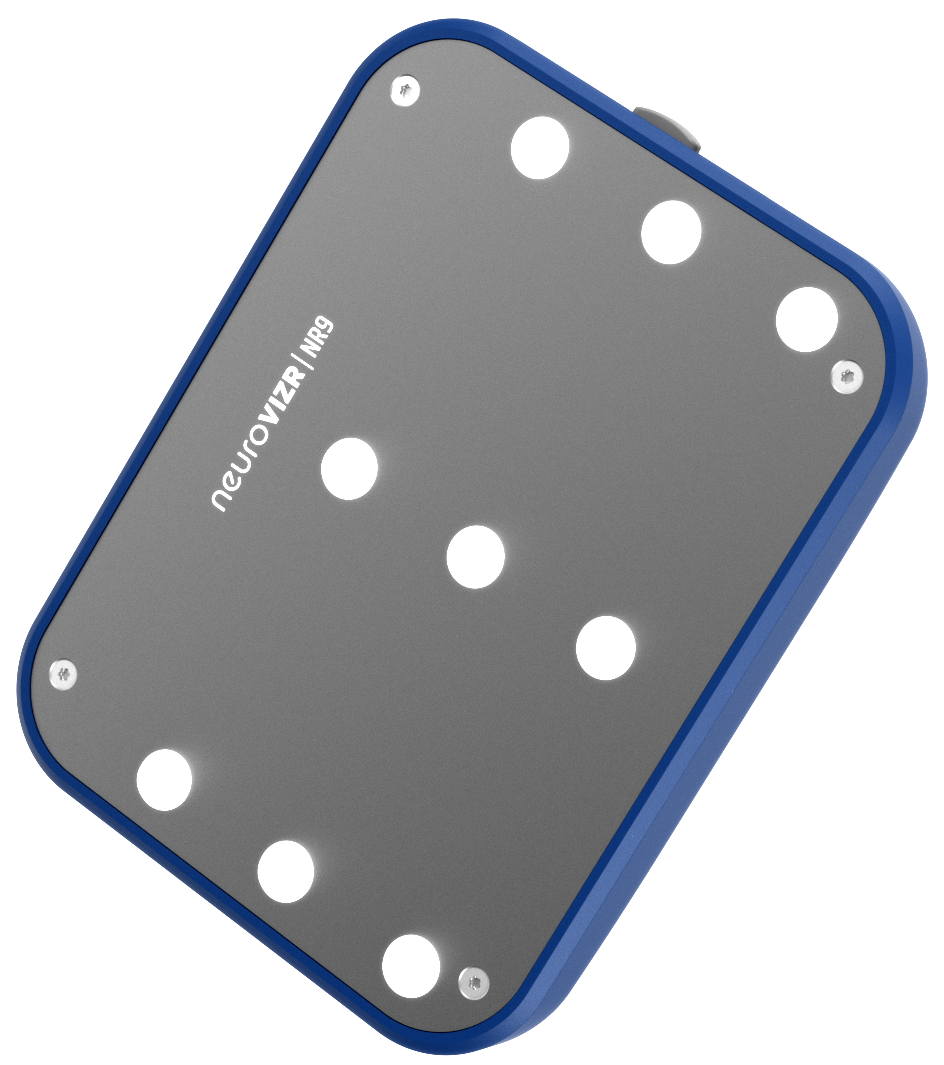
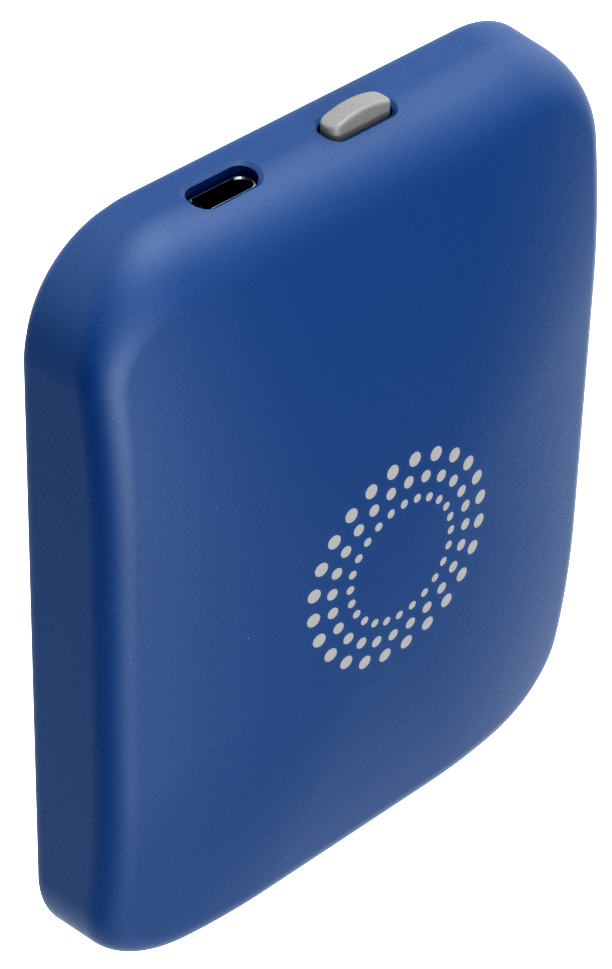
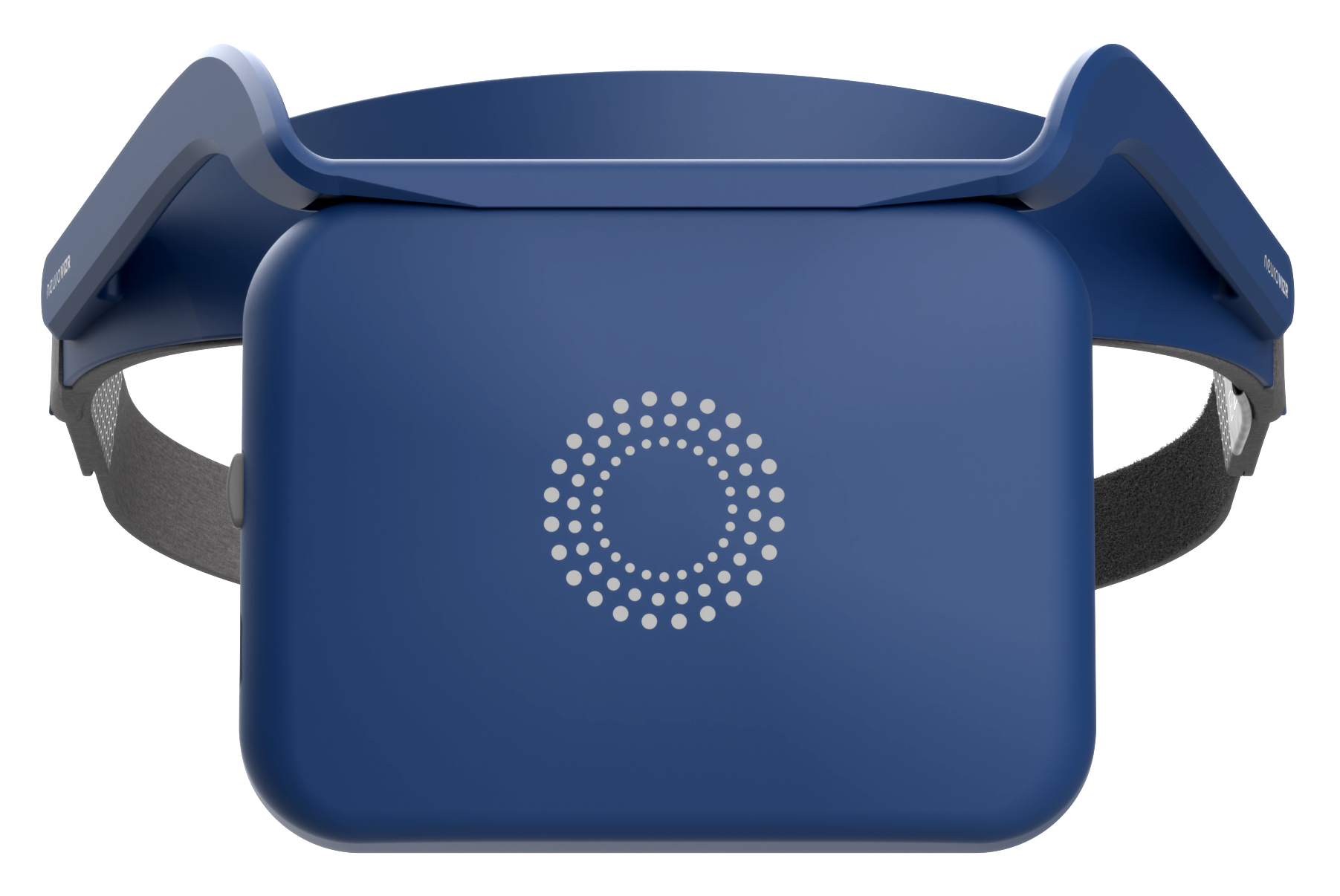
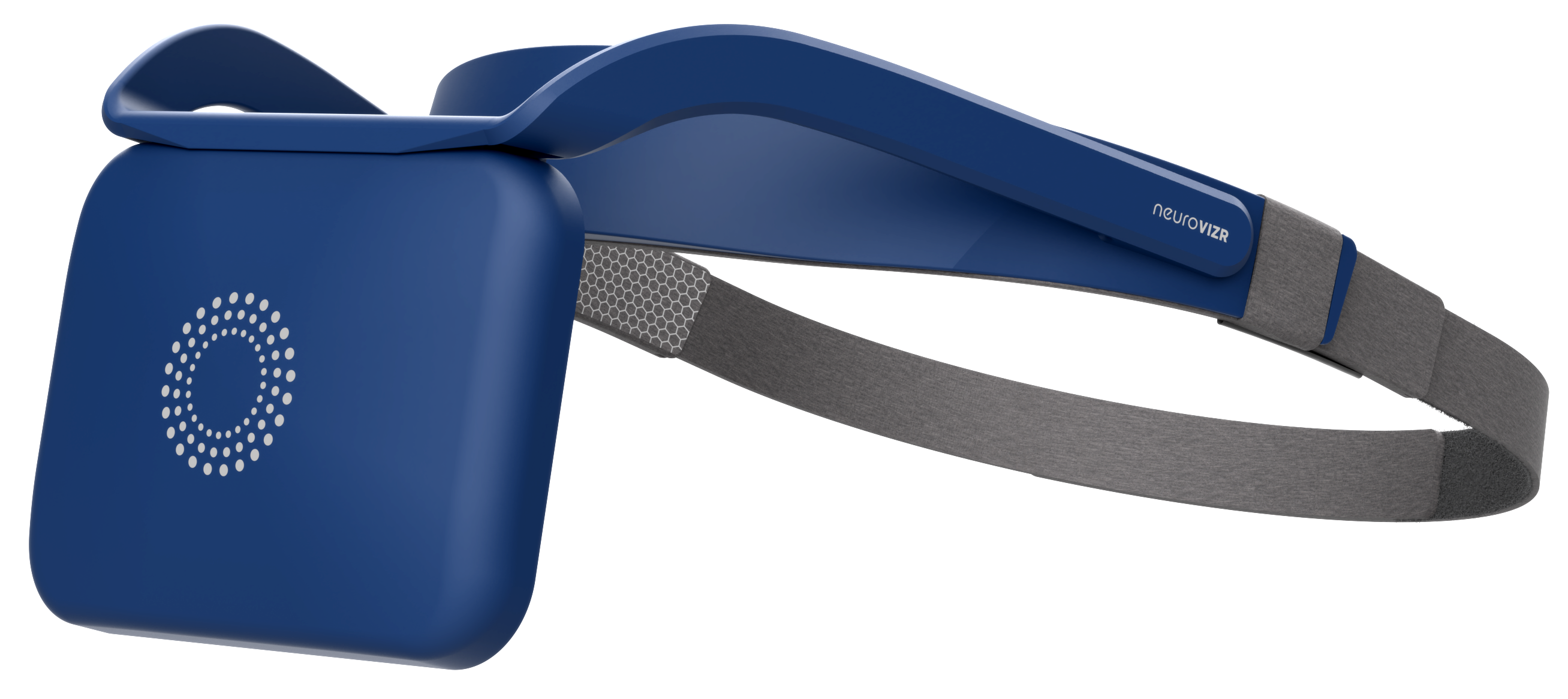
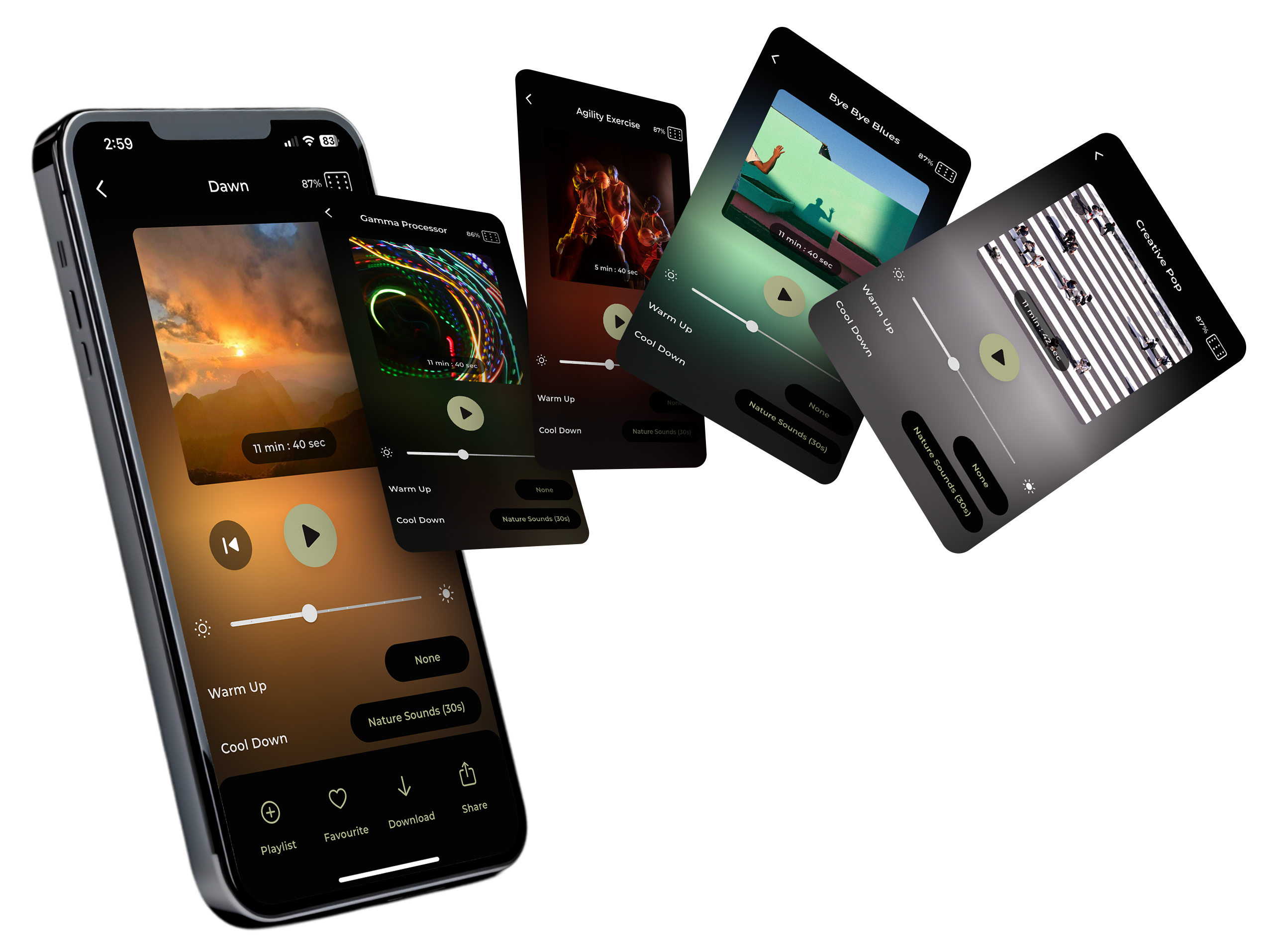
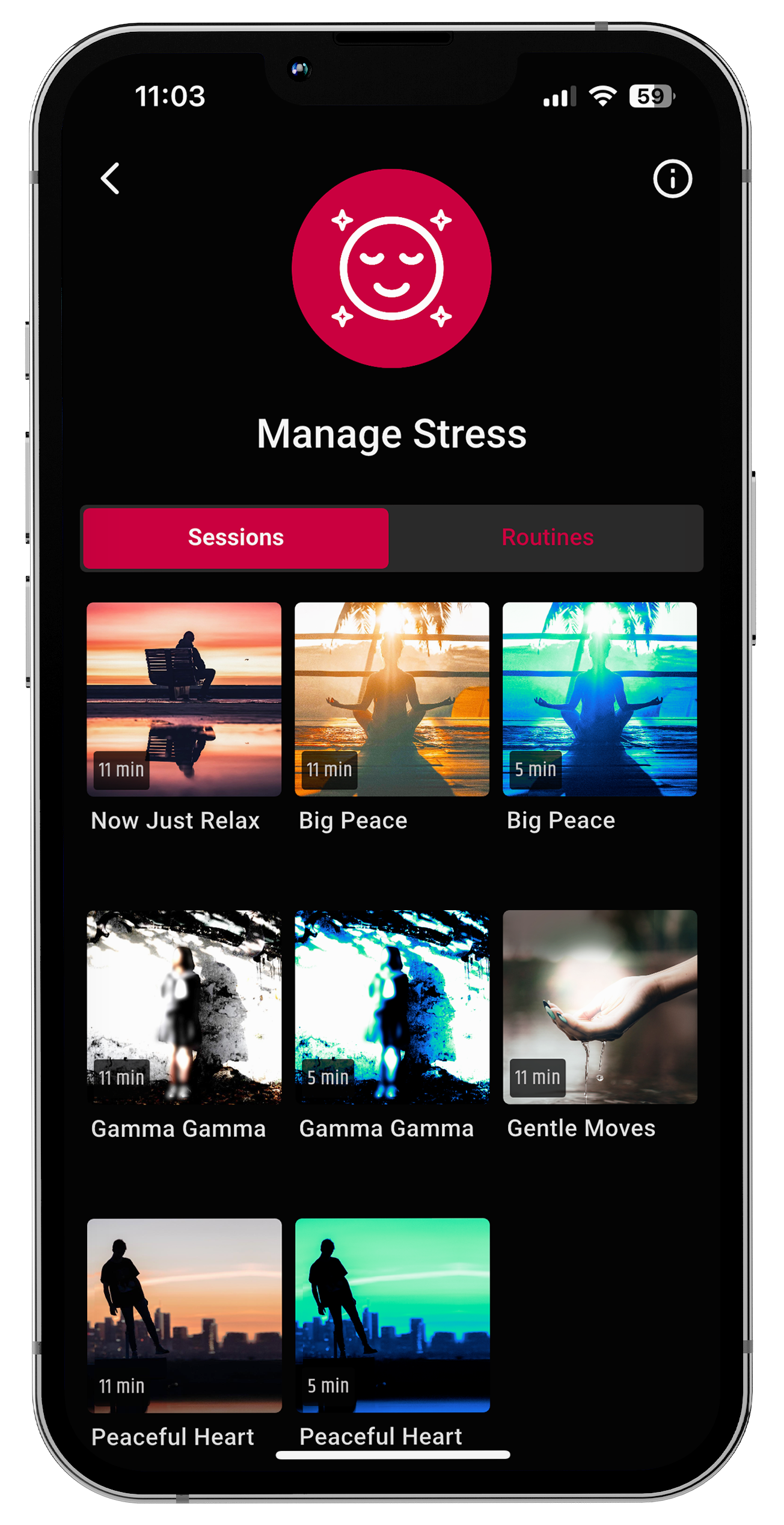
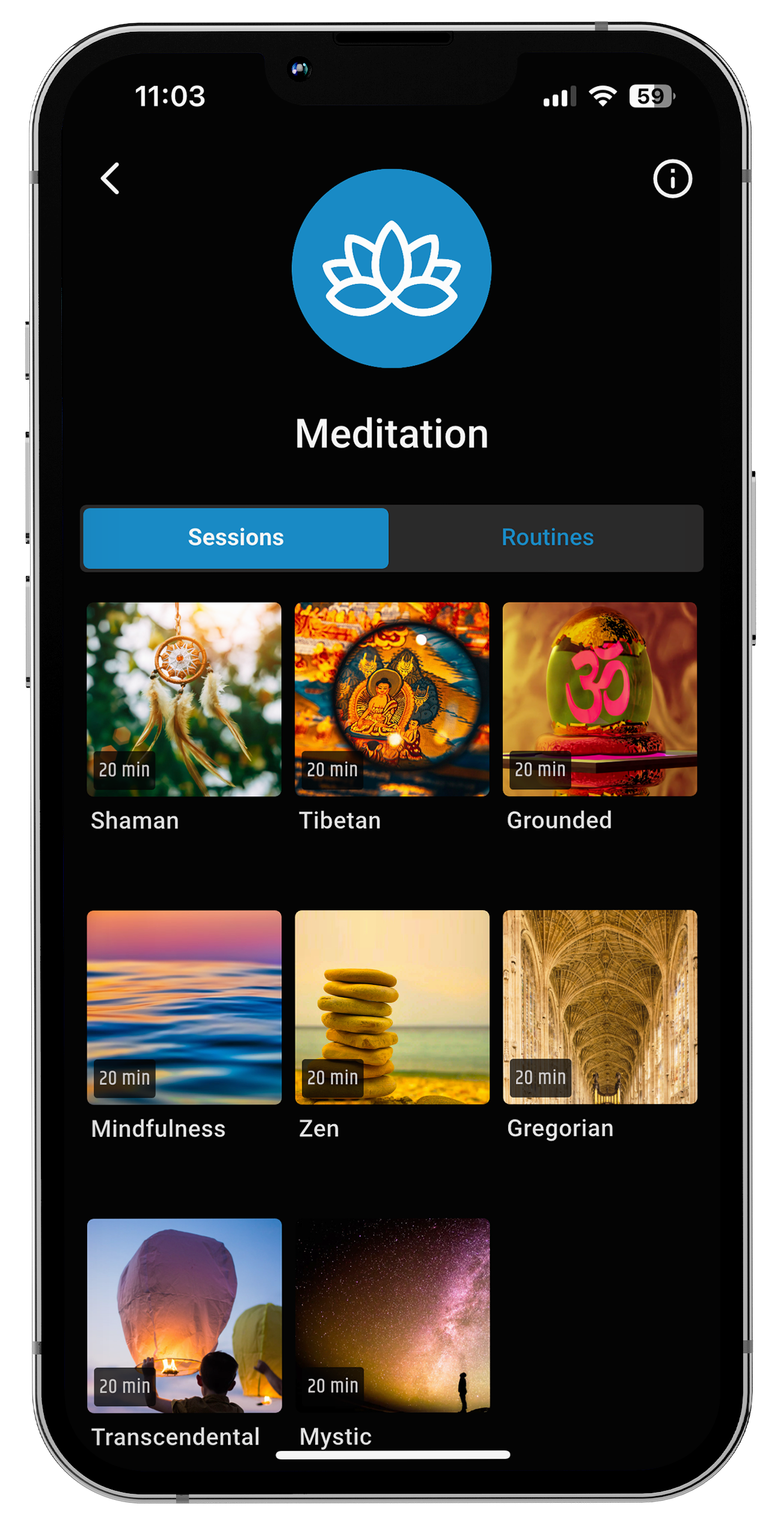
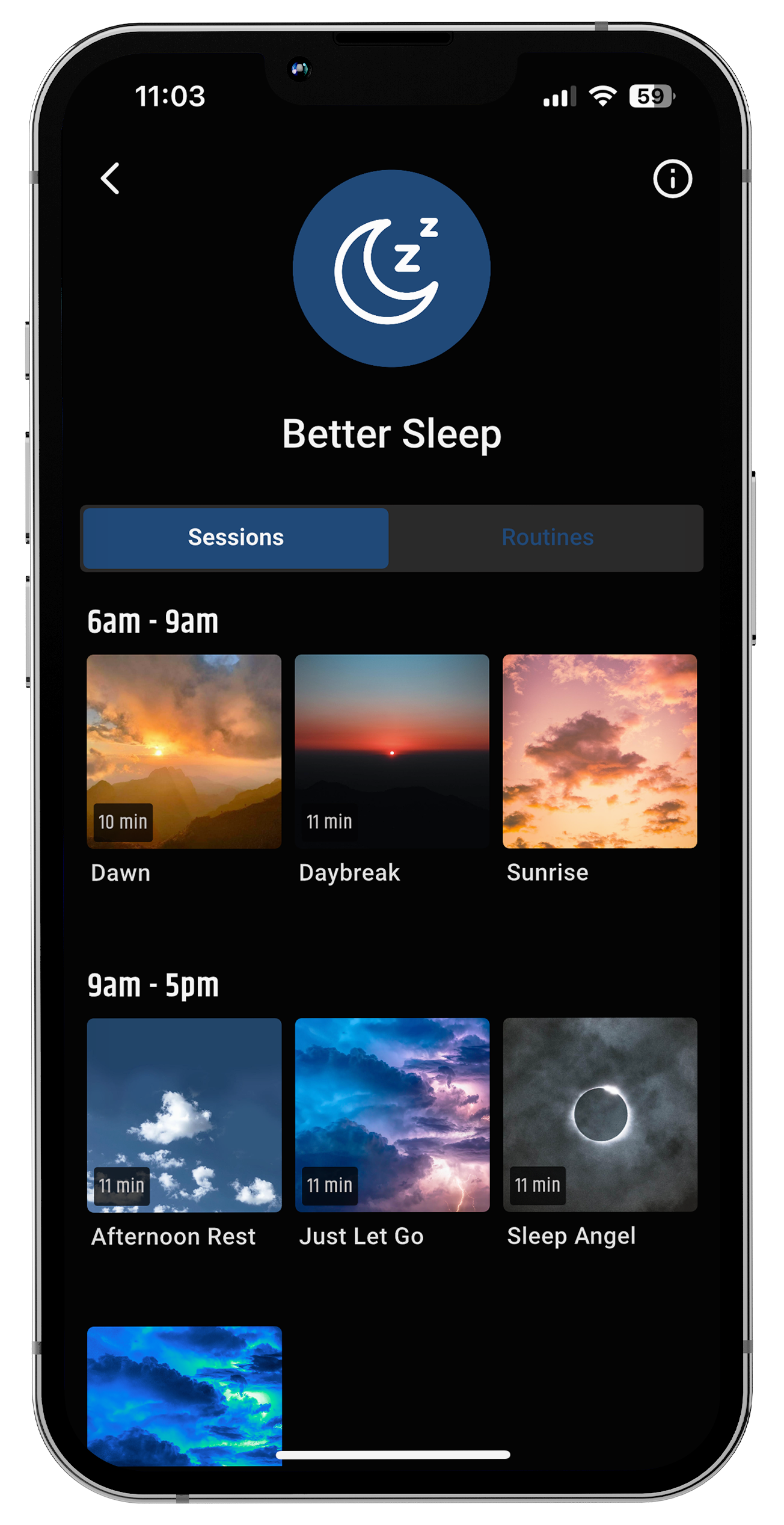
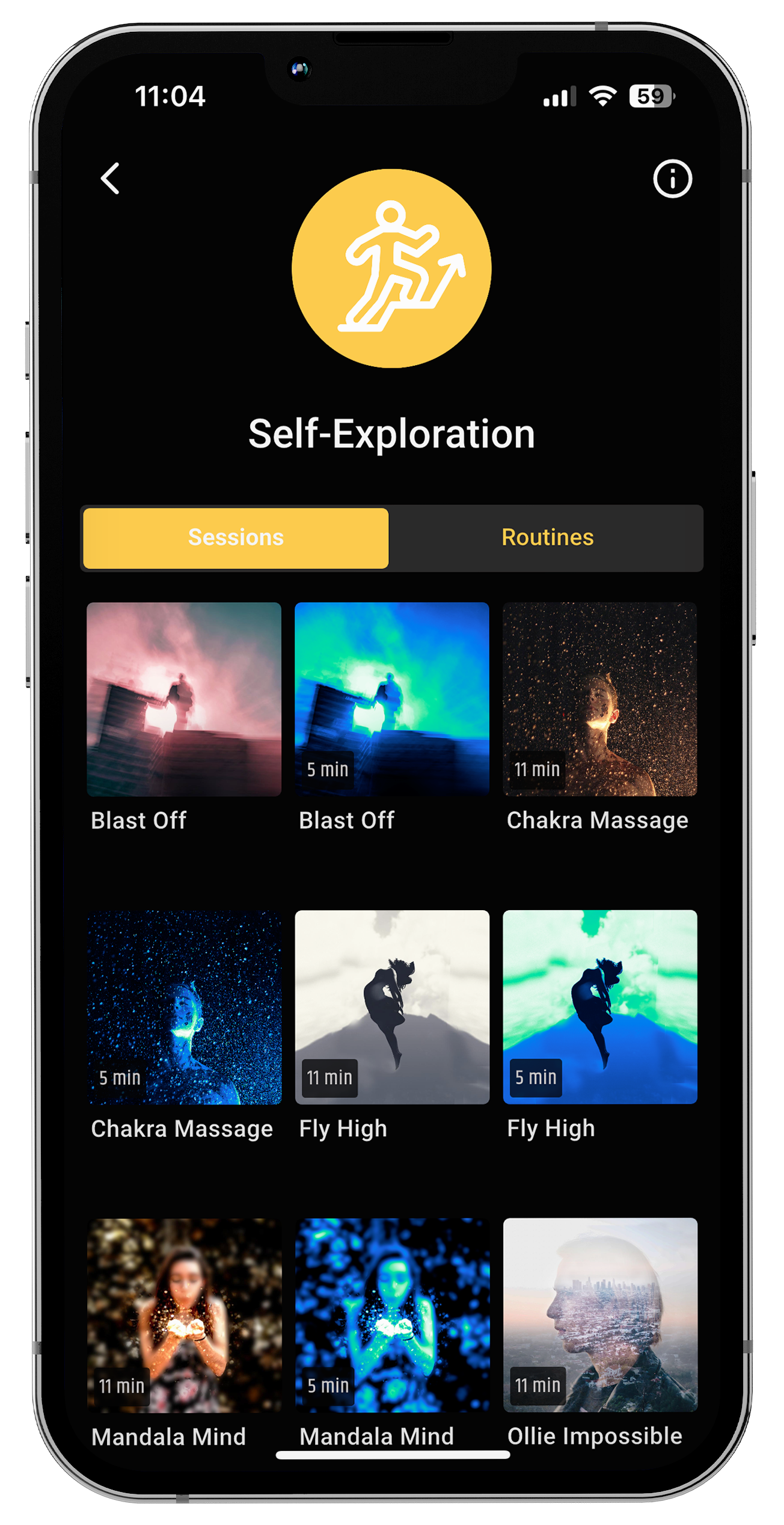
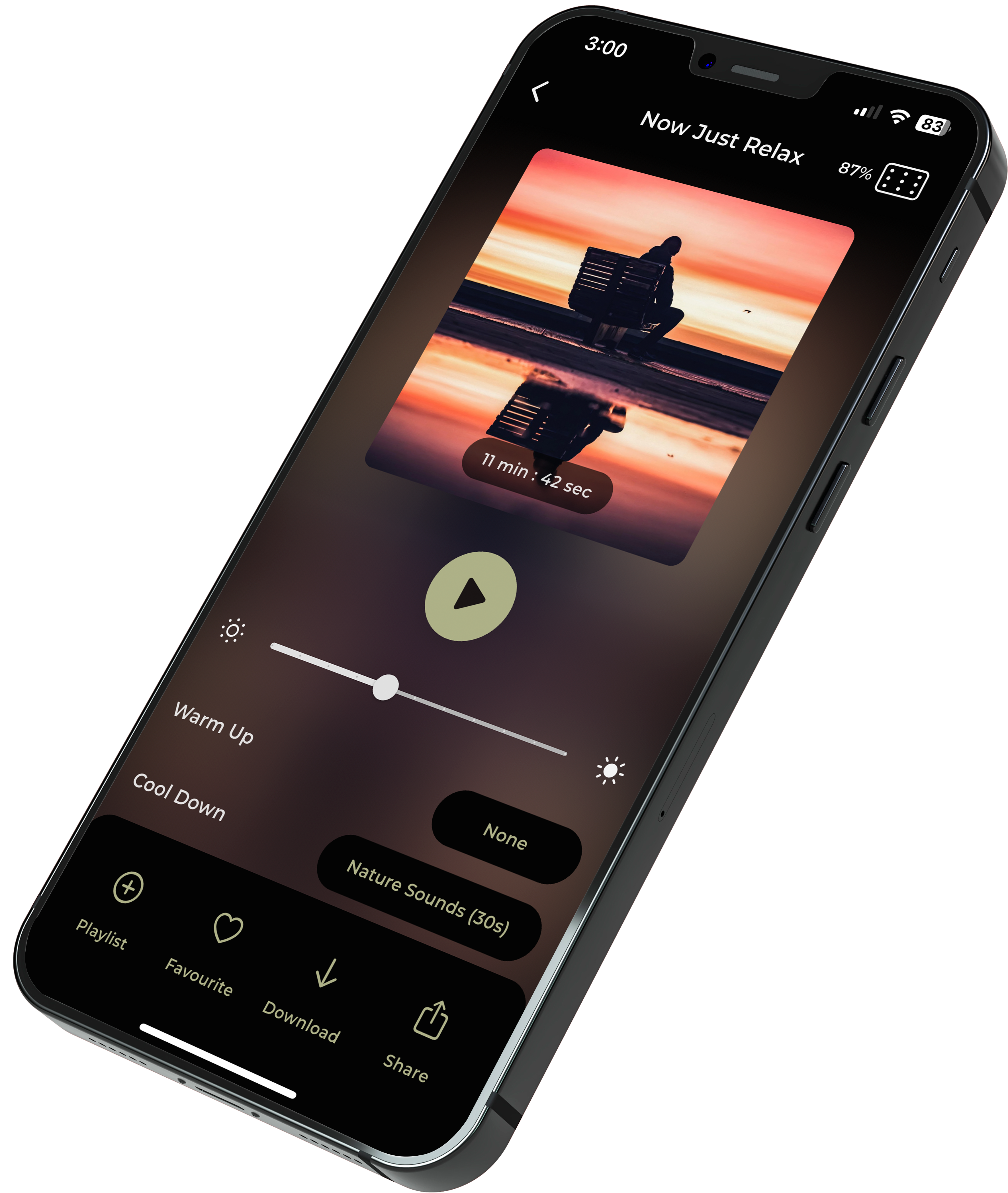
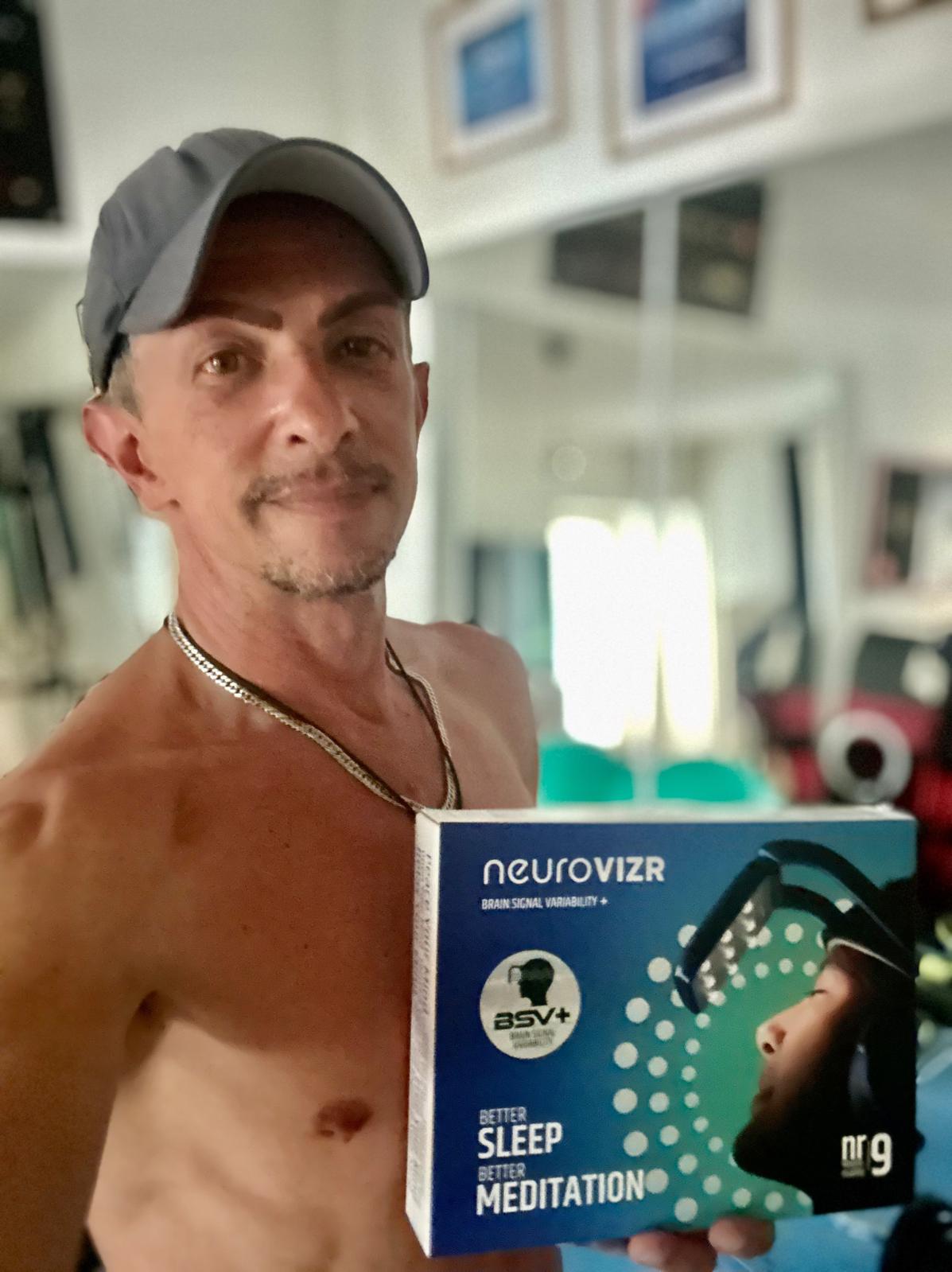
neuroVIZR is designed as a sensory light and sound experience that supports relaxation and focus routines.
It works by creating structured, immersive sessions that may help users:
-
Step away from overstimulation
-
Prepare for focused work
-
Create moments of calm during busy days
It is important to note that this is not a medical tool, but a wellness-oriented device that can be part of a personal routine.
What Current Science Suggests
Research continues to explore:
-
The connection between emotional patterns and attention
-
How stress can influence focus
-
The role of sensory environments in mental engagement
While the limbic ADHD theory is not officially recognized, these broader connections are actively studied and discussed.
Final Thoughts
Limbic Attention Deficit Disorder is a theoretical framework that attempts to describe how mood and attention may interact. While it is not a recognized diagnosis, the idea highlights an important point: focus is not just about attention it is also influenced by emotional and environmental factors.
By exploring supportive routines, calming environments, and structured sensory experiences, many people find practical ways to improve how they engage with tasks and daily life.
Frequently Asked Questions (FAQ)
What is limbic attention deficit disorder?
It is a theoretical concept that describes attention challenges alongside mood-related patterns. It is not an official diagnosis.
Is limbic ADHD recognized by medical professionals?
No, it is not part of formal diagnostic systems. However, the connection between mood and attention is widely acknowledged.
Can mood affect focus?
Yes, emotional state and stress levels can influence how easily a person concentrates and completes tasks.
Are there non-medical ways to support focus?
Many people use structured routines, sensory experiences, and relaxation practices to support better focus and clarity.
How do light and sound experiences support relaxation?
Rhythmic light and sound patterns can create immersive environments that may help individuals step into calmer, more focused states.








Share:
ADHD Burnout and Daily Repetition Explained
Is PTSD a Disability?