


Disclaimer
This content is for informational purposes only and does not constitute medical advice. neuroVIZR is a wellness device designed to support relaxation and focus through sensory light and sound experiences. It is not intended to diagnose, treat, cure, or prevent any medical condition. Experiences may vary from person to person.
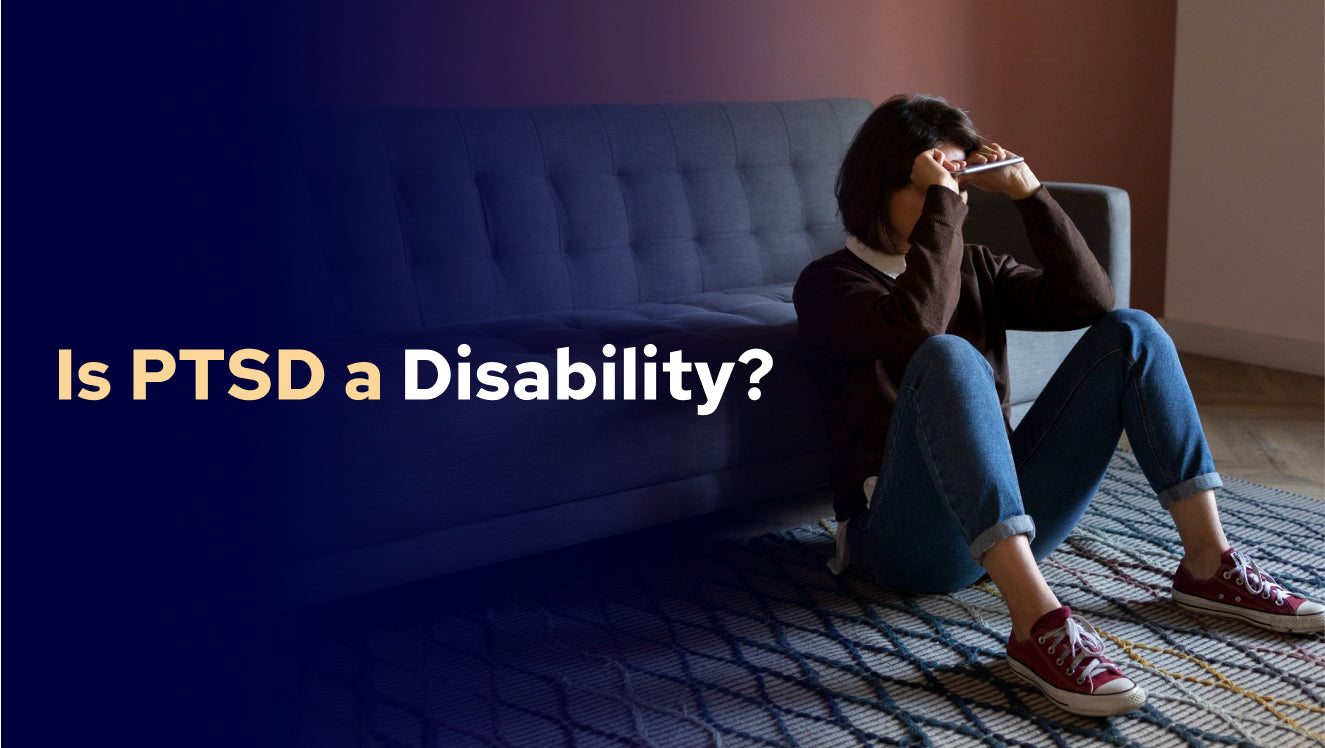
Post-traumatic stress disorder (PTSD) may be considered a disability in certain situations, especially when it significantly impacts a person’s ability to manage daily activities or maintain work routines.
This article explains how PTSD may be viewed in different contexts, including government programs and legal protections, while also offering a general understanding of support options.
What Is PTSD?
PTSD is a condition that can develop after someone experiences or witnesses a deeply stressful or overwhelming event. It may influence emotional well-being, daily routines, and overall quality of life.
People may experience challenges such as:
-
Repeated memories or thoughts about the event
-
Avoidance of reminders
-
Changes in mood or behavior
-
Difficulty with sleep or concentration
Experiences can vary widely from person to person.
When Can PTSD Be Considered a Disability?
PTSD may be considered a disability when it creates significant limitations in everyday functioning, such as:
-
Managing daily responsibilities
-
Maintaining consistent work performance
-
Interacting with others
-
Adapting to changes in routine
Eligibility often depends on how strongly these challenges affect a person’s life and whether proper documentation is available.
PTSD and Disability Benefits (General Overview)
In some regions, individuals may qualify for disability benefits if PTSD significantly limits their ability to work or perform daily activities.
Typically, this involves:
-
Documented history of symptoms
-
Evidence of ongoing challenges in daily functioning
-
Professional evaluation or support records
Each program may have its own criteria and application process.
Legal Protections and Rights
In many cases, individuals experiencing PTSD may be protected under disability laws if their condition substantially affects major life activities.
These protections may include:
-
Equal opportunities in the workplace
-
Protection from discrimination
-
Access to reasonable accommodations
-
Inclusion in public services and programs
Understanding these rights can help individuals make informed decisions about support and resources.
Support Options for Individuals Experiencing PTSD
Support approaches can vary depending on personal needs and preferences. Some individuals may explore:
-
Professional guidance and structured support programs
-
Group or peer-based support environments
-
Lifestyle adjustments and daily routines
-
Relaxation and mindfulness practices
Creating a consistent routine focused on rest, balance, and calm moments may help improve overall well-being.
A Wellness-Based Perspective
From a wellness perspective, experiences like PTSD may influence how a person feels, focuses, and manages daily stress.
Non-medical approaches such as:
-
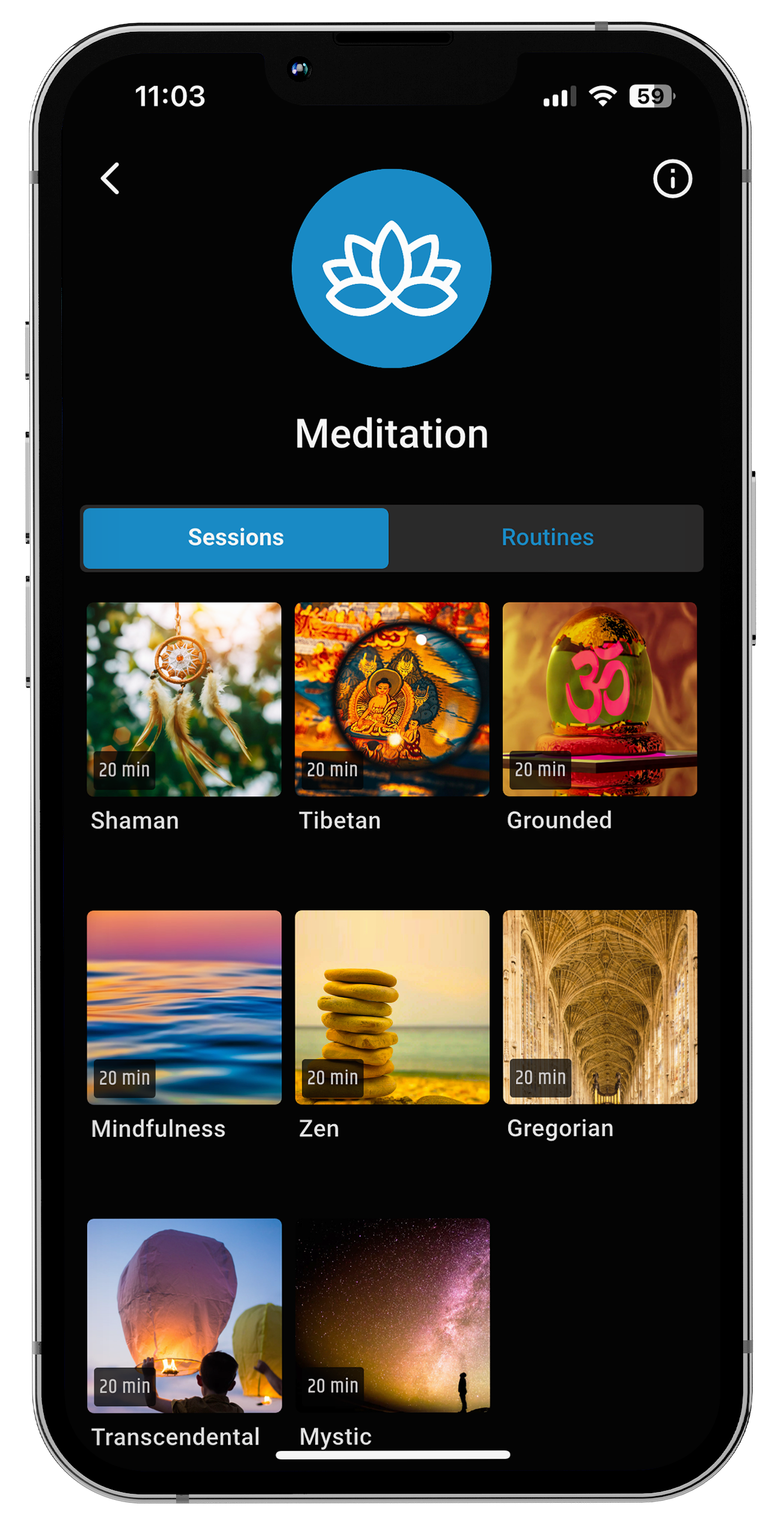
Mindfulness sessions
-
Grounding techniques
-
Relaxation routines
-
Sensory light and sound experiences
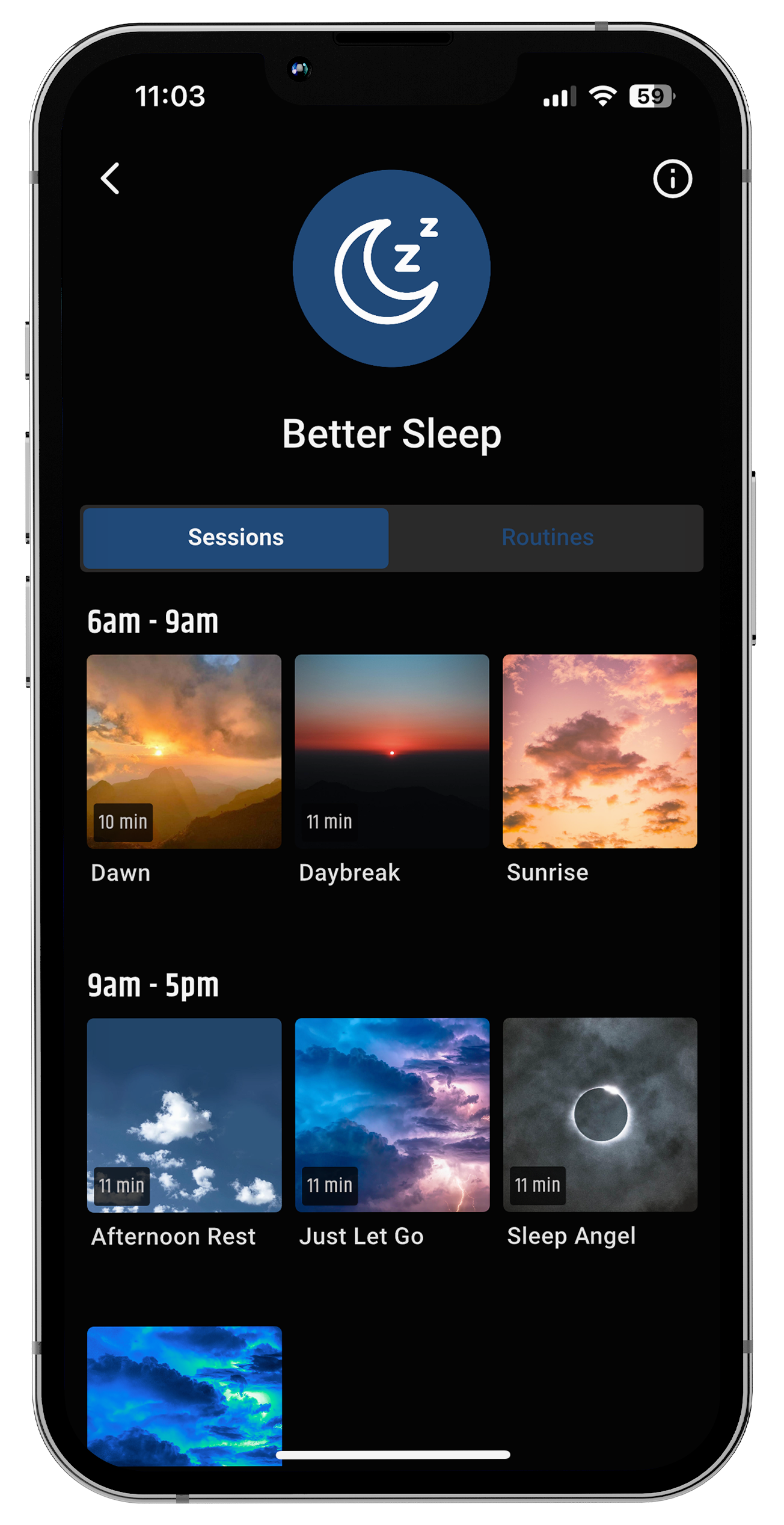
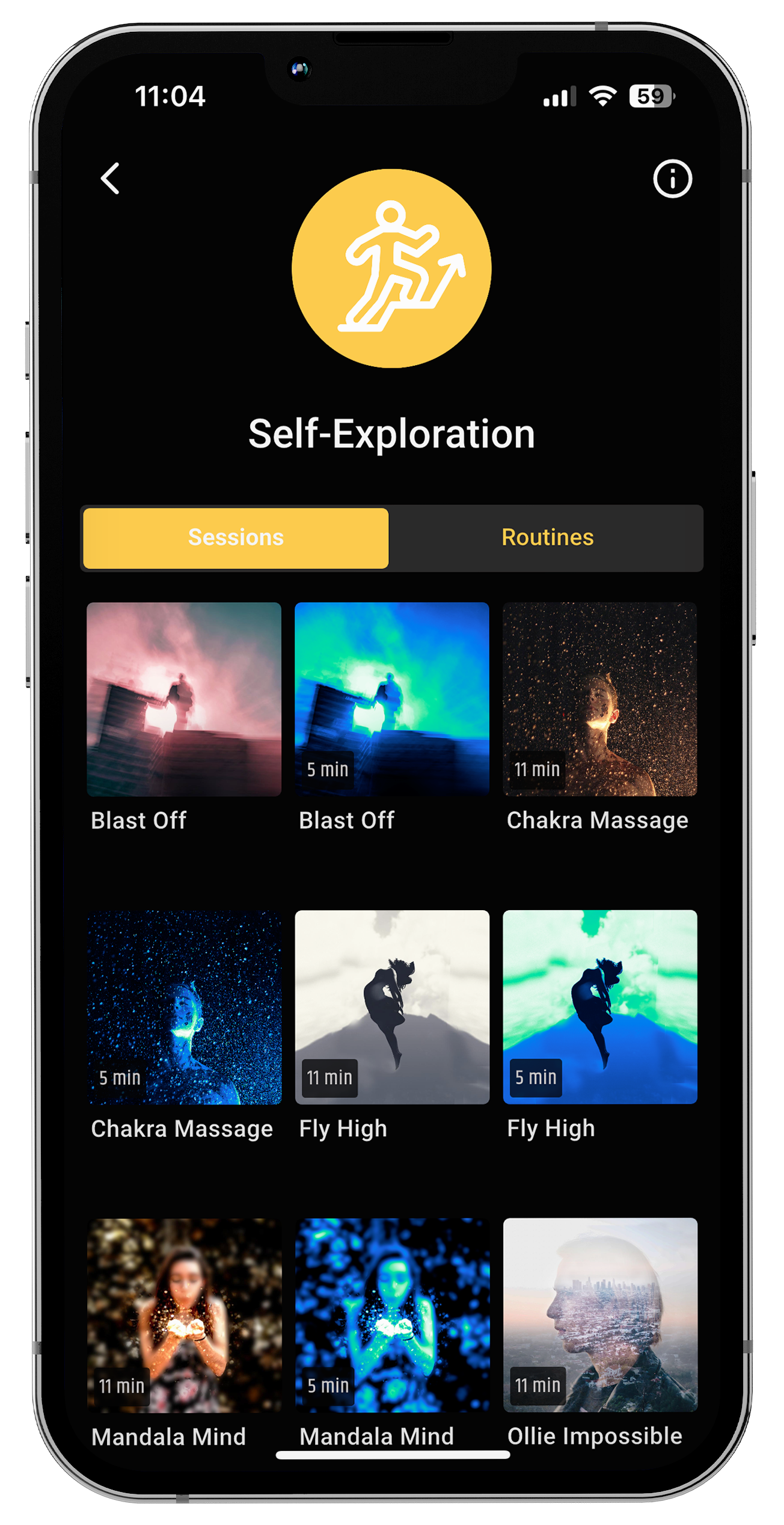
may help individuals create moments of calm and improve their day-to-day balance.
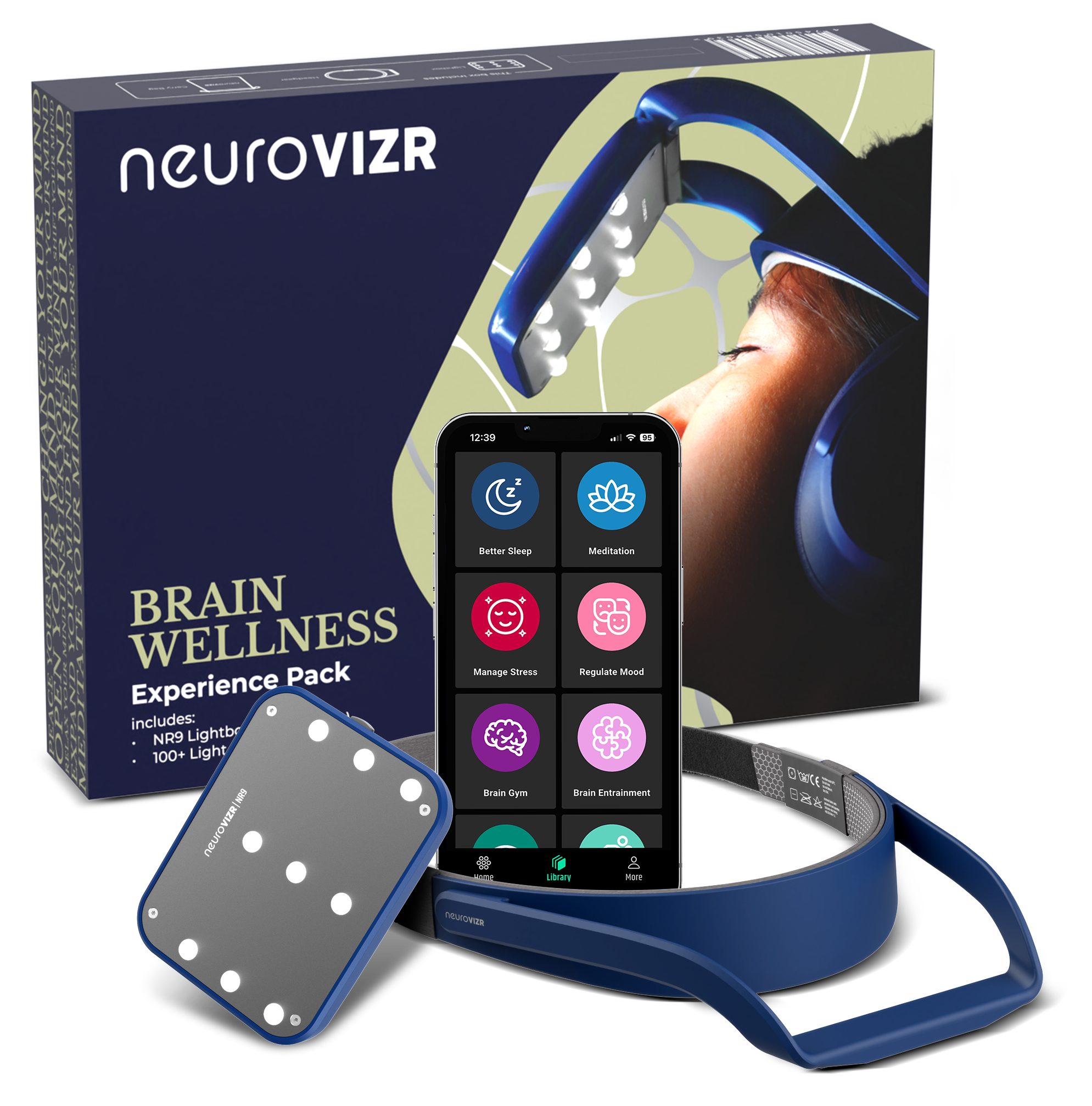
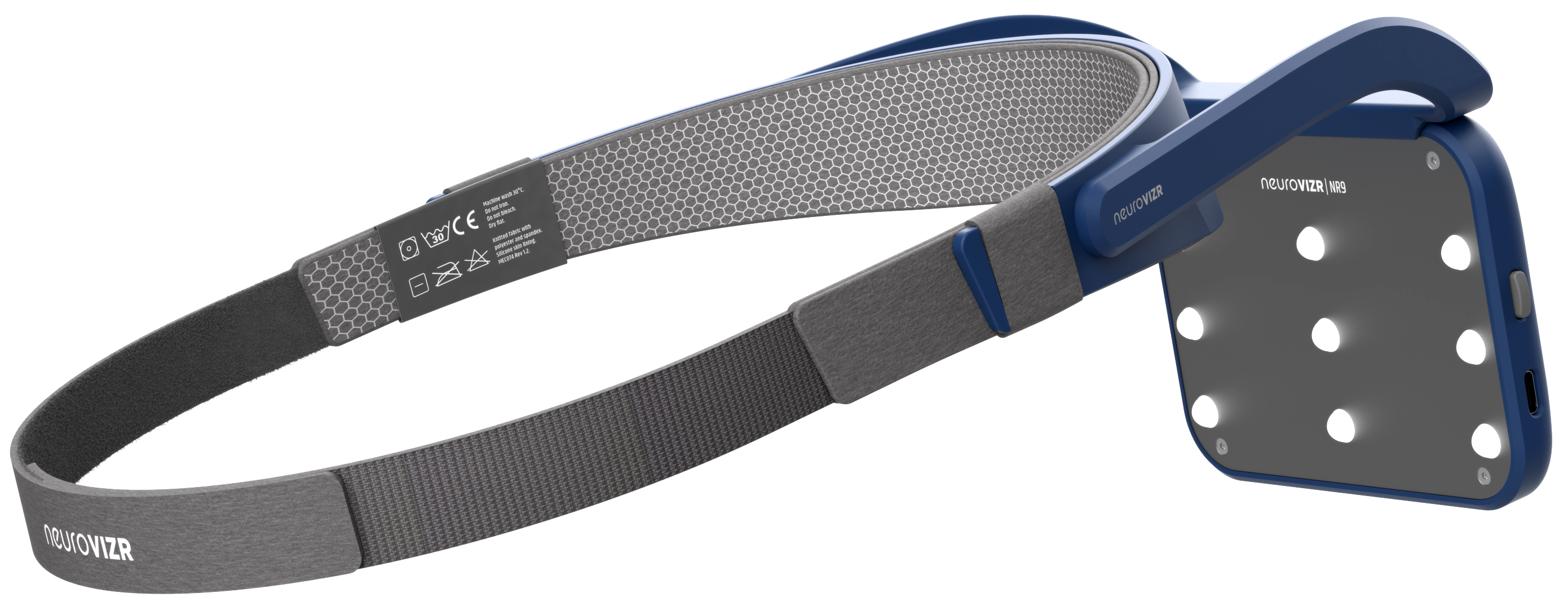
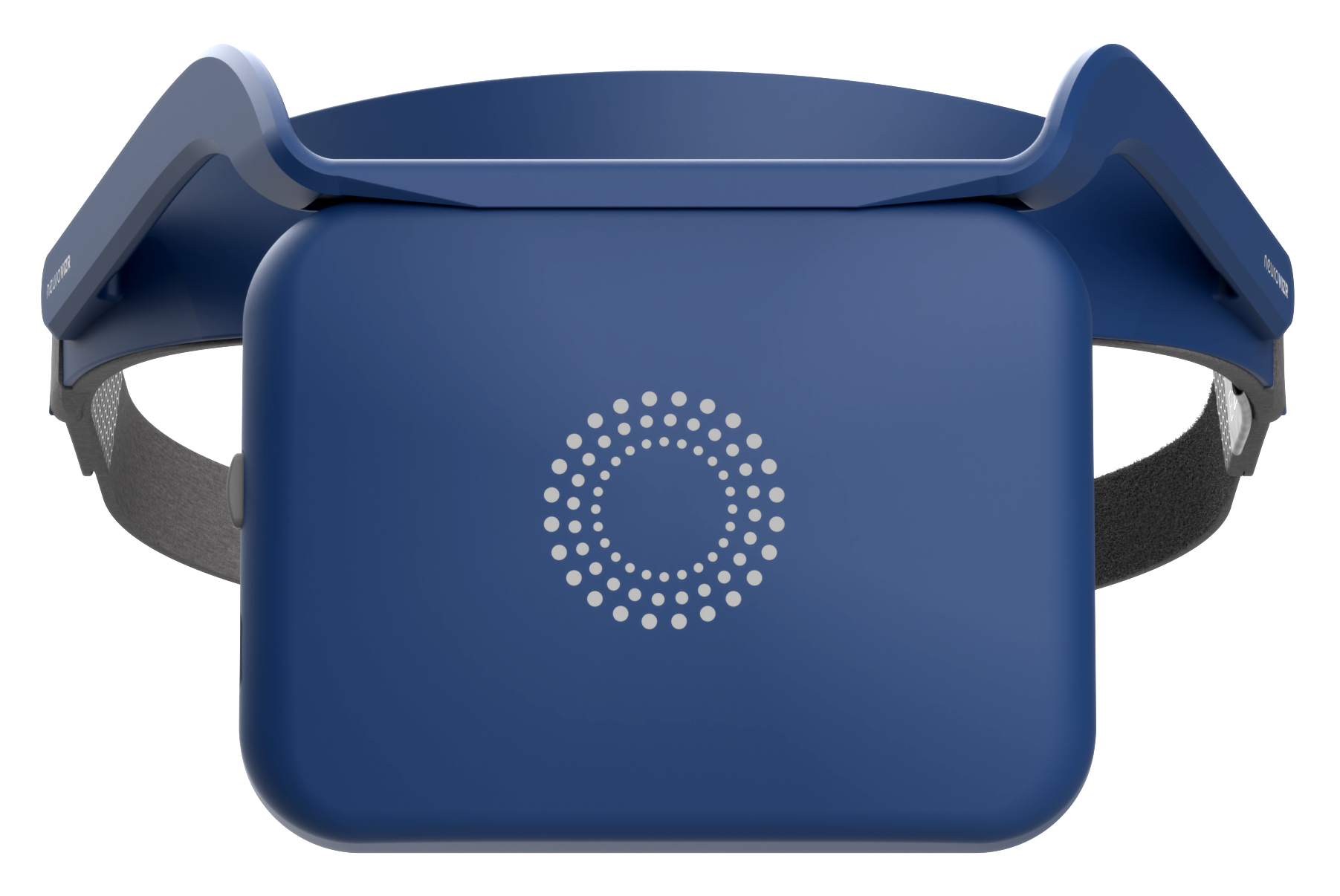
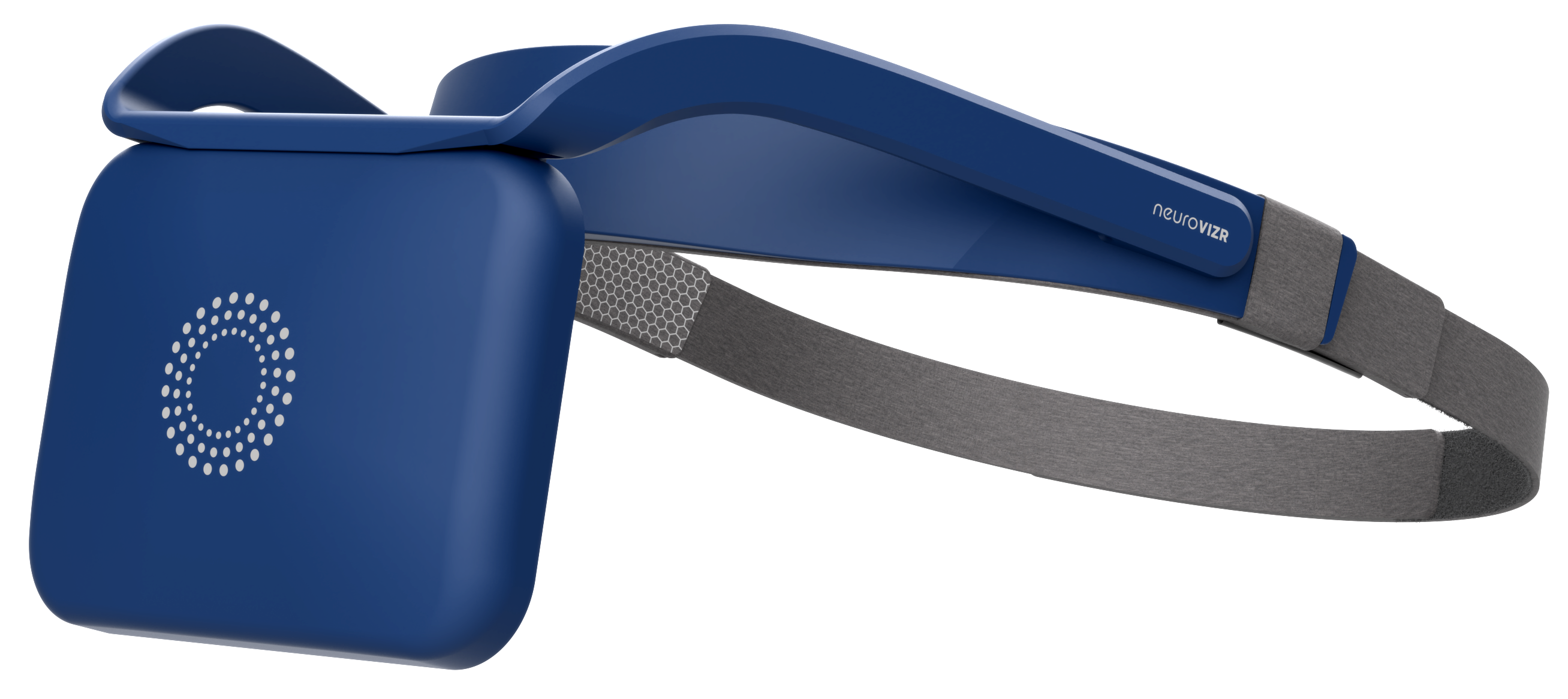
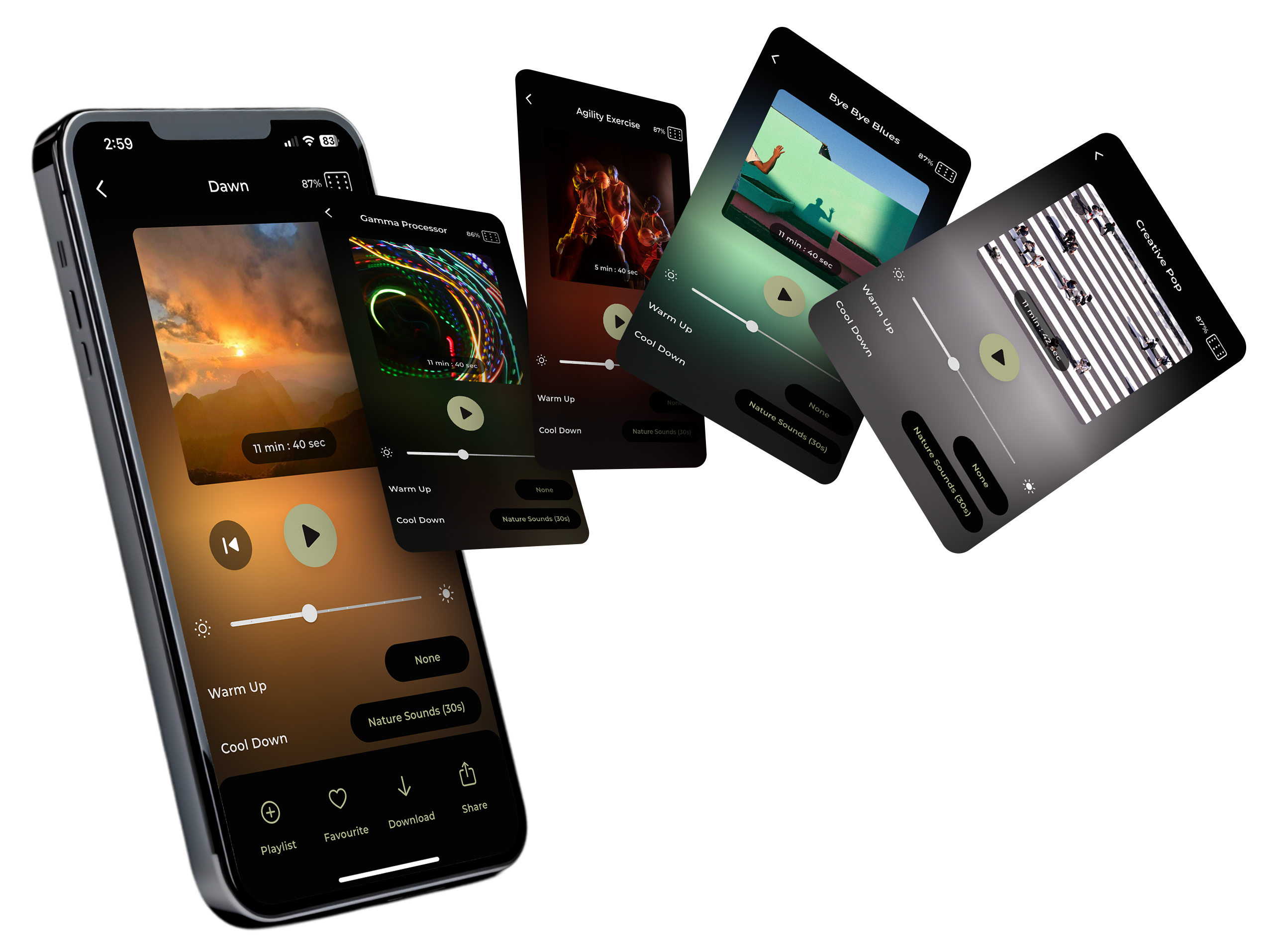
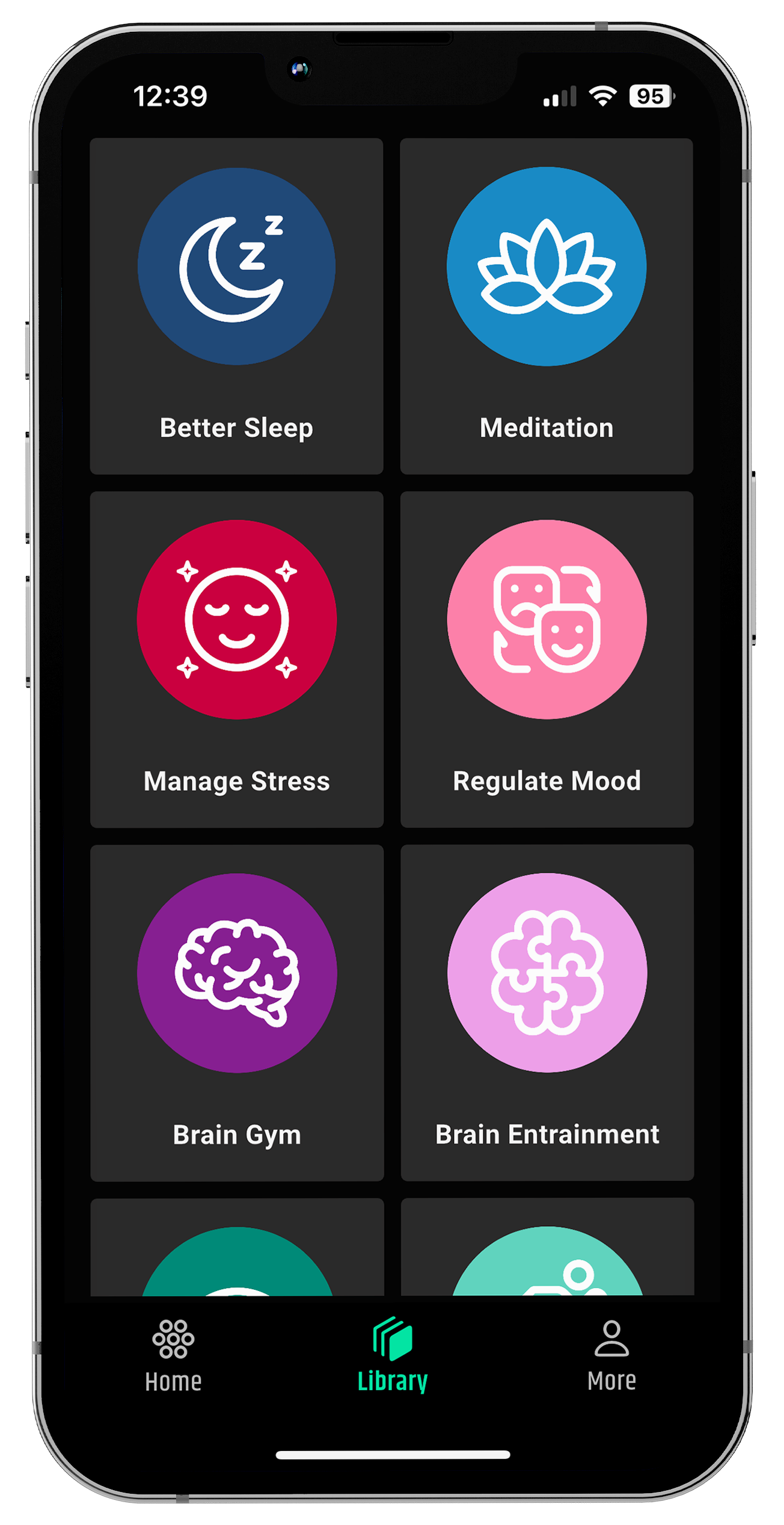
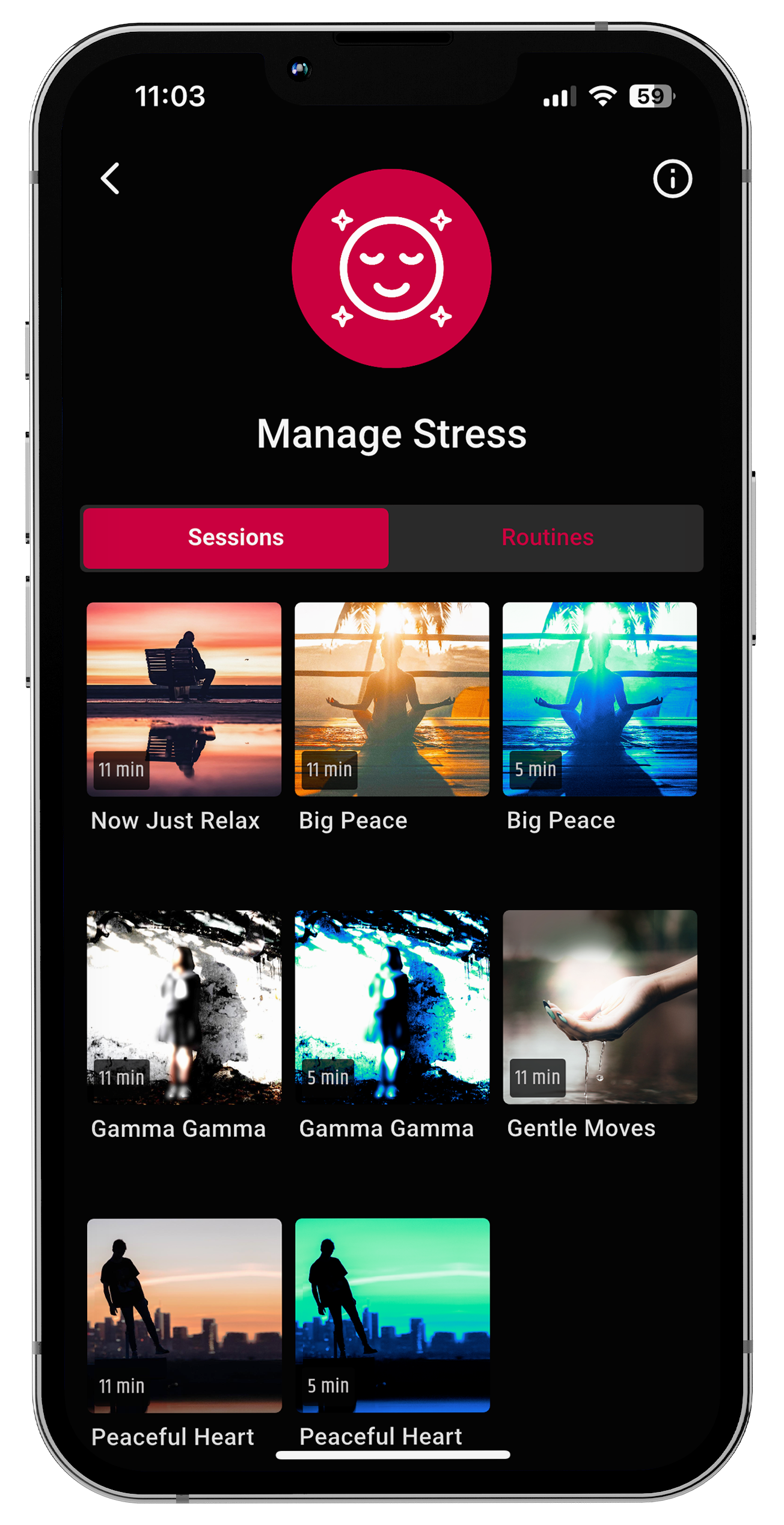
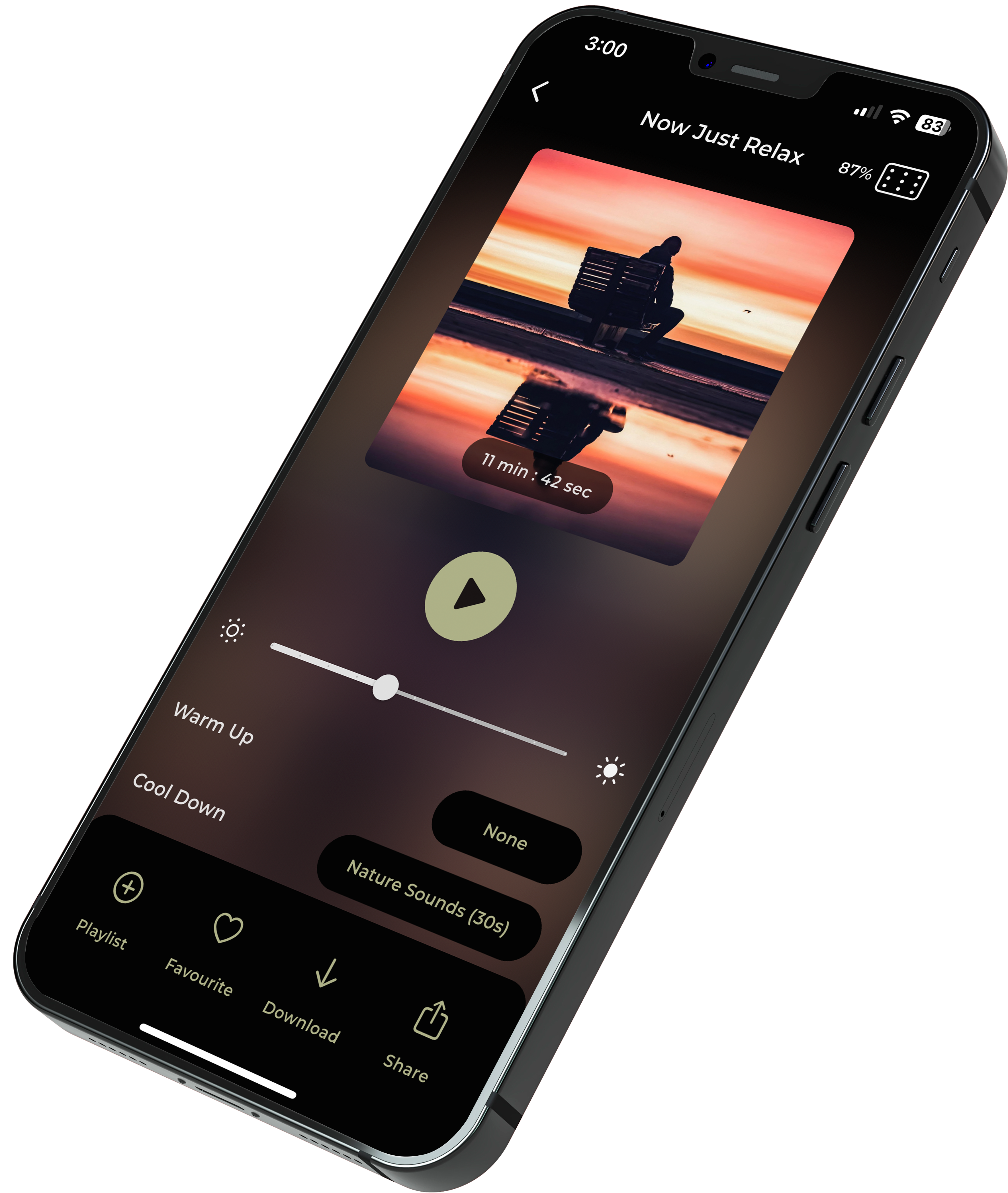
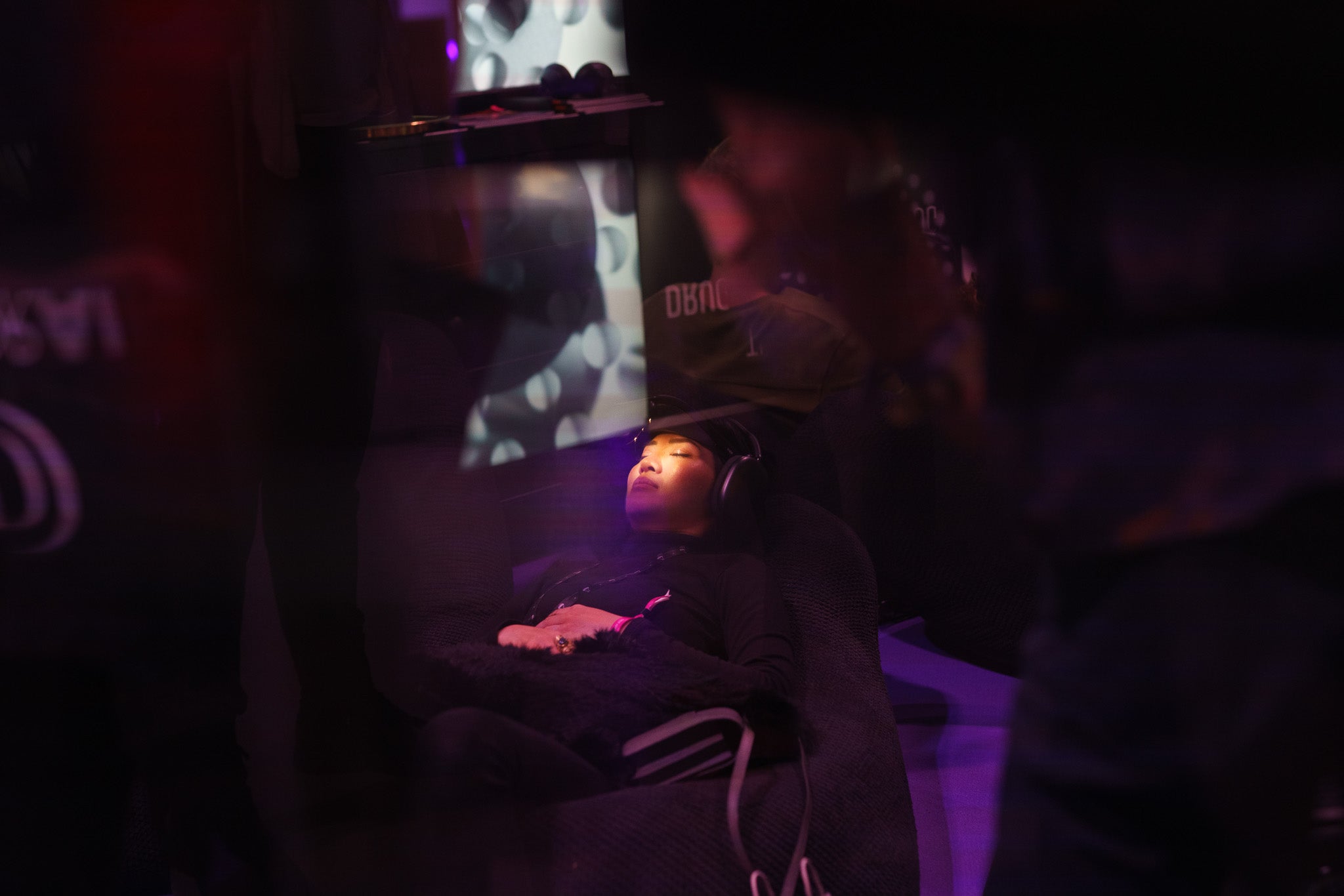
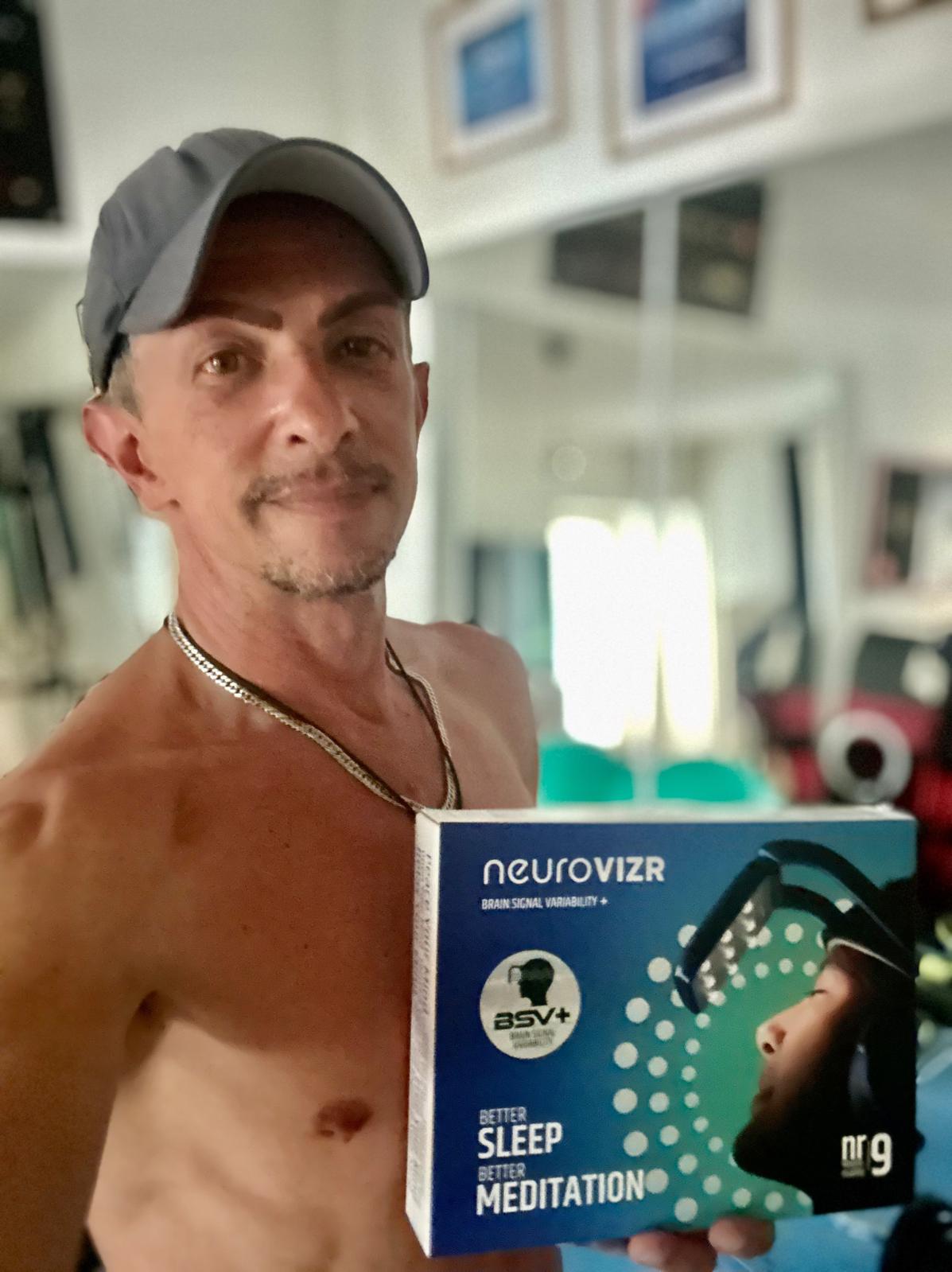
Devices that use rhythmic light and sound patterns, such as neuroVIZR, are designed to create immersive sensory environments often associated with relaxation and focused attention. These tools are intended to support wellness routines and help users step away from daily overstimulation.
Key Takeaways
-
PTSD may be considered a disability when it significantly impacts daily functioning
-
Eligibility for benefits depends on documentation and individual circumstances
-
Legal protections may apply in cases where life activities are affected
-
Wellness-focused routines can support relaxation and overall balance
Final Note
If PTSD or similar challenges are affecting daily life, exploring available support options and seeking professional guidance may be helpful. Building a routine that includes rest, awareness, and relaxation can contribute to long-term well-being.
Frequently Asked Questions (FAQ)
Is PTSD always considered a disability?
No, PTSD is not always classified as a disability. It depends on how much it affects a person’s daily life and ability to function.
Can someone receive support if PTSD affects their work?
In some cases, individuals may be eligible for support or accommodations if their condition impacts their work capacity.
What kind of support options are available?
Support may include professional guidance, structured programs, and personal wellness routines focused on relaxation and balance.
Can relaxation practices help with daily well-being?
Relaxation and mindfulness-based approaches may help individuals create calm moments and improve their overall sense of balance.










Share:
Limbic Attention Deficit Disorder: What the Theory Suggests and What Science Currently Supports
Complex PTSD and Life Expectancy: Understanding the Long-Term Impact of Trauma