


Disclaimer
This content is for informational purposes only and does not constitute medical advice. If you are in crisis or experiencing distress, please seek support from a qualified healthcare professional.
Many people understand that trauma can affect emotional wellbeing, but fewer realize how it may also influence long-term health and daily functioning. Experiences of prolonged stress can shape how individuals respond to everyday challenges, impacting both mental and physical balance over time.
Understanding the connection between complex PTSD and overall wellbeing is not about fear, it's about awareness and support. With the right combination of care, routines, and supportive tools, individuals can work toward a more balanced and stable lifestyle.
What Is Complex PTSD?
Complex Post-Traumatic Stress Disorder (C-PTSD) is associated with repeated or long-term exposure to difficult or overwhelming experiences, especially in situations where a person feels unable to leave or change their circumstances.
These experiences may include:
-
Ongoing emotional or physical stress
-
Long-term challenging environments
-
Repeated exposure to distressing situations
People experiencing C-PTSD may notice patterns such as:
-
Difficulty managing emotions
-
Negative self-perception
-
Challenges in relationships
-
Heightened alertness or sensitivity
-
Periods of low mood or emotional fatigue
These experiences can influence not only emotional wellbeing but also daily habits and overall quality of life.
How Complex PTSD May Influence Everyday Wellbeing
When stress remains present over long periods, it can affect daily routines and overall balance. Many individuals report challenges such as:
1. Sleep Disruptions
Irregular sleep patterns or difficulty relaxing at night may affect energy levels and daily focus.
2. Ongoing Stress and Tension
A constant sense of pressure or alertness can make it harder to unwind and recharge.
3. Physical Discomfort
Some individuals experience ongoing physical tension or fatigue linked to prolonged stress.
4. Lifestyle Challenges
Coping habits may sometimes shift toward less supportive routines during difficult periods.
5. Reduced Sense of Balance
Long-term stress may influence how the body and mind respond to everyday situations.
While these experiences vary from person to person, building supportive routines and seeking guidance can make a meaningful difference over time.
Can Complex PTSD Affect Long-Term Wellbeing?
Research and discussions in the wellness and psychology space suggest that prolonged stress experiences may influence long-term health patterns. Rather than focusing on exact outcomes, it’s more helpful to understand how consistent stress can shape lifestyle, habits, and overall wellbeing.
Key Considerations:
-
Long-term stress may influence energy levels and recovery patterns
-
Emotional strain can affect daily routines such as sleep and activity
-
Multiple challenges may overlap, creating a compounding effect on wellbeing
The key takeaway is that supportive care, awareness, and consistent routines can help improve quality of life over time.
Common Co-Occurring Challenges
Complex PTSD may exist alongside other experiences that influence daily wellbeing, such as:
-
Periods of low mood
-
Heightened worry or tension
-
Sleep-related challenges
-
Emotional fatigue
Addressing these experiences with appropriate support can help individuals create more stability in their daily lives.
Healthy Approaches to Support Recovery and Balance
Recovery is a gradual and personal process. Many individuals explore a combination of supportive approaches to improve their overall wellbeing:
1. Professional Support
Working with trained professionals can help individuals better understand and process their experiences.
2. Mindfulness and Relaxation Practices
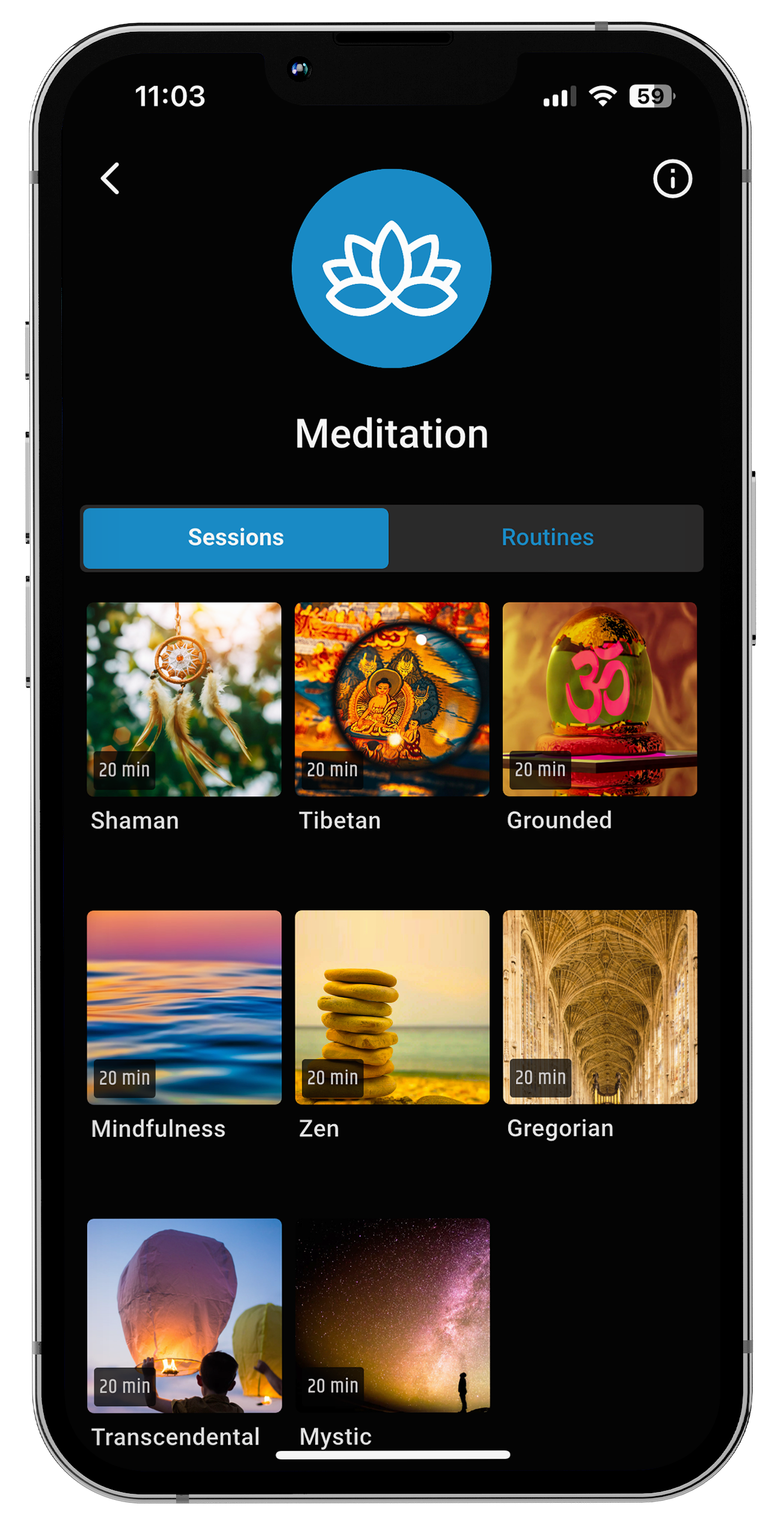
Activities such as breathing exercises, meditation, or yoga may help create moments of calm.
3. Daily Lifestyle Habits
Balanced nutrition, regular sleep, and physical movement support overall wellness.
4. Support Networks
Connecting with others friends, family, or support groups can provide reassurance and understanding.
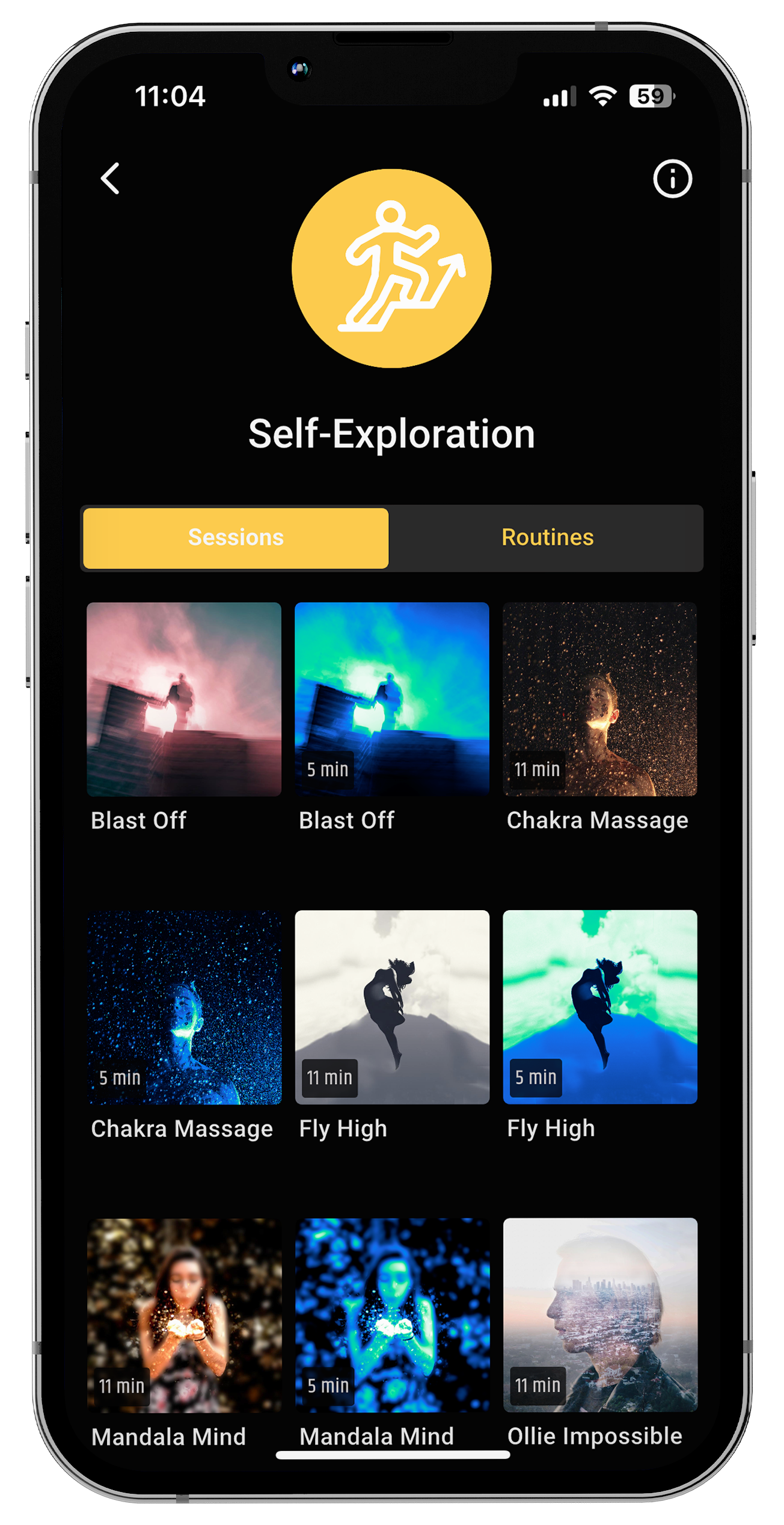
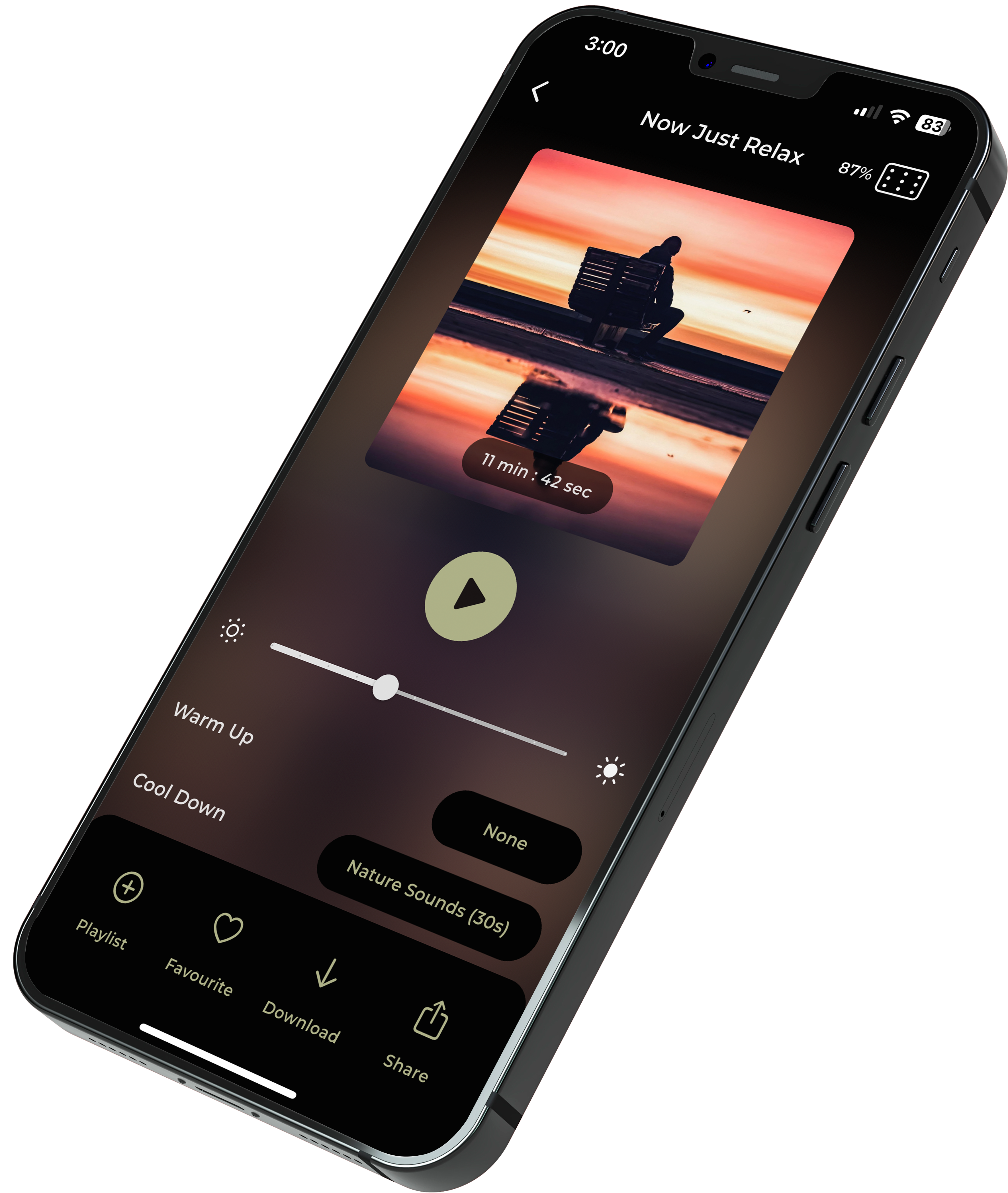
5. Sensory-Based Relaxation Tools
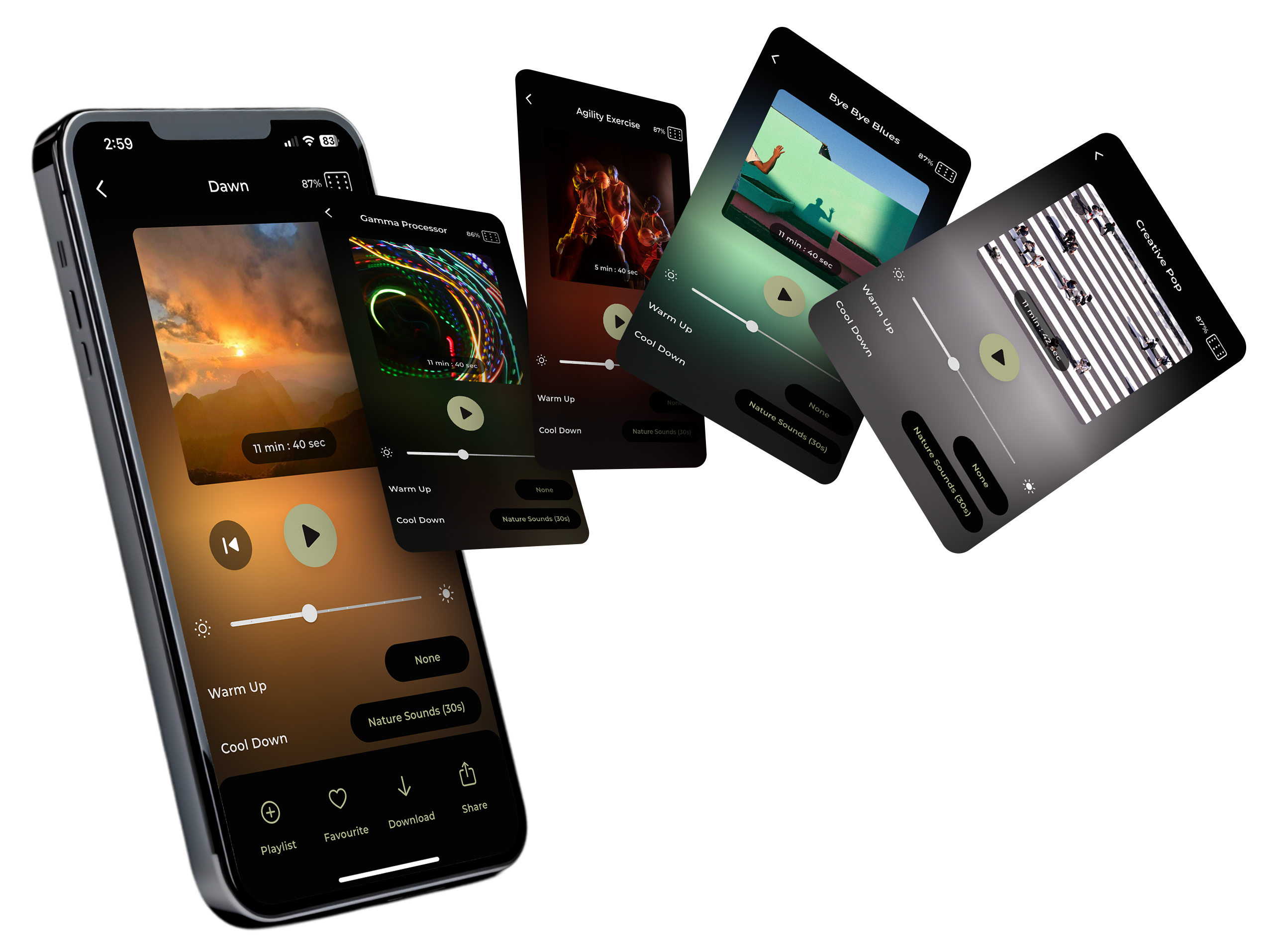
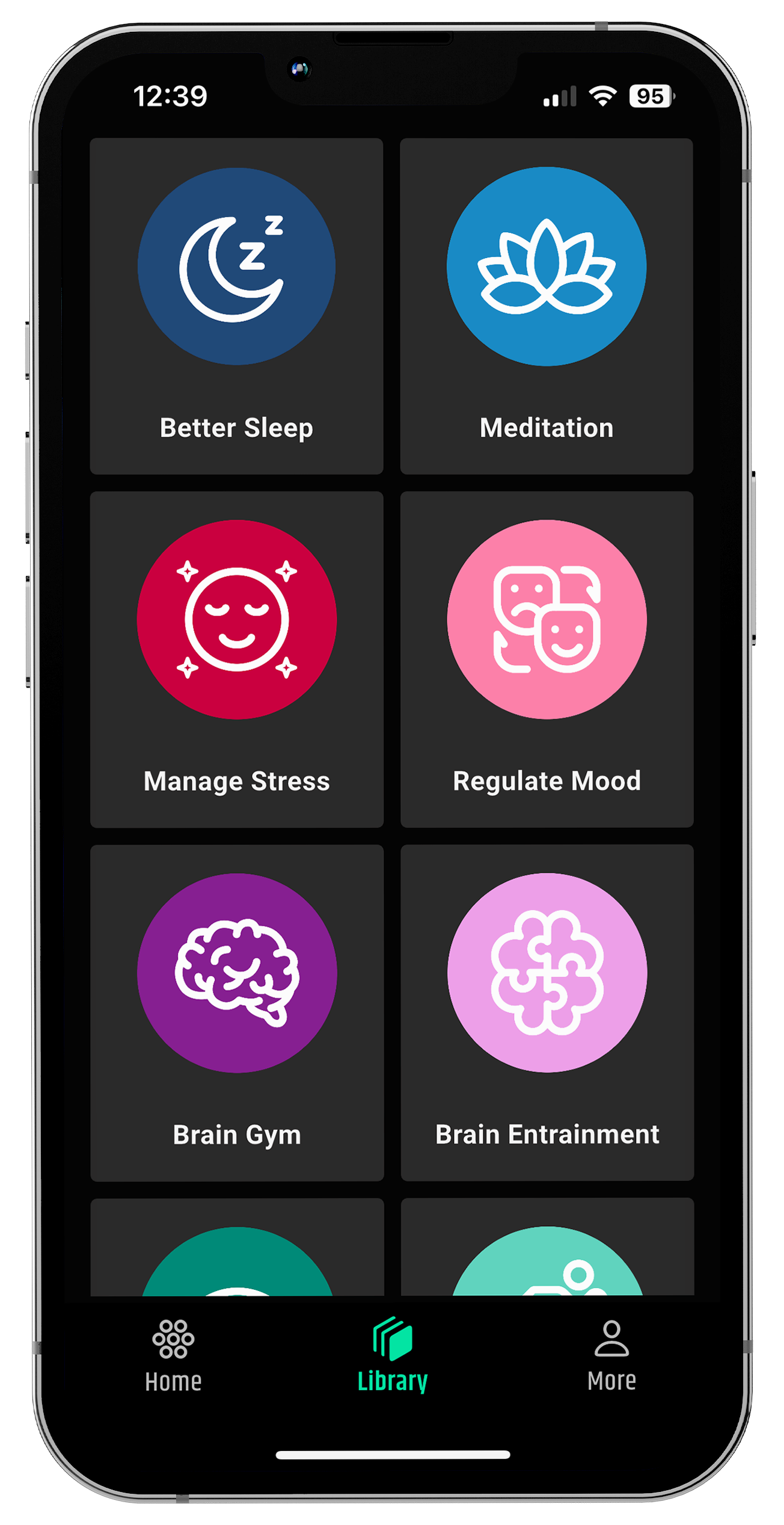
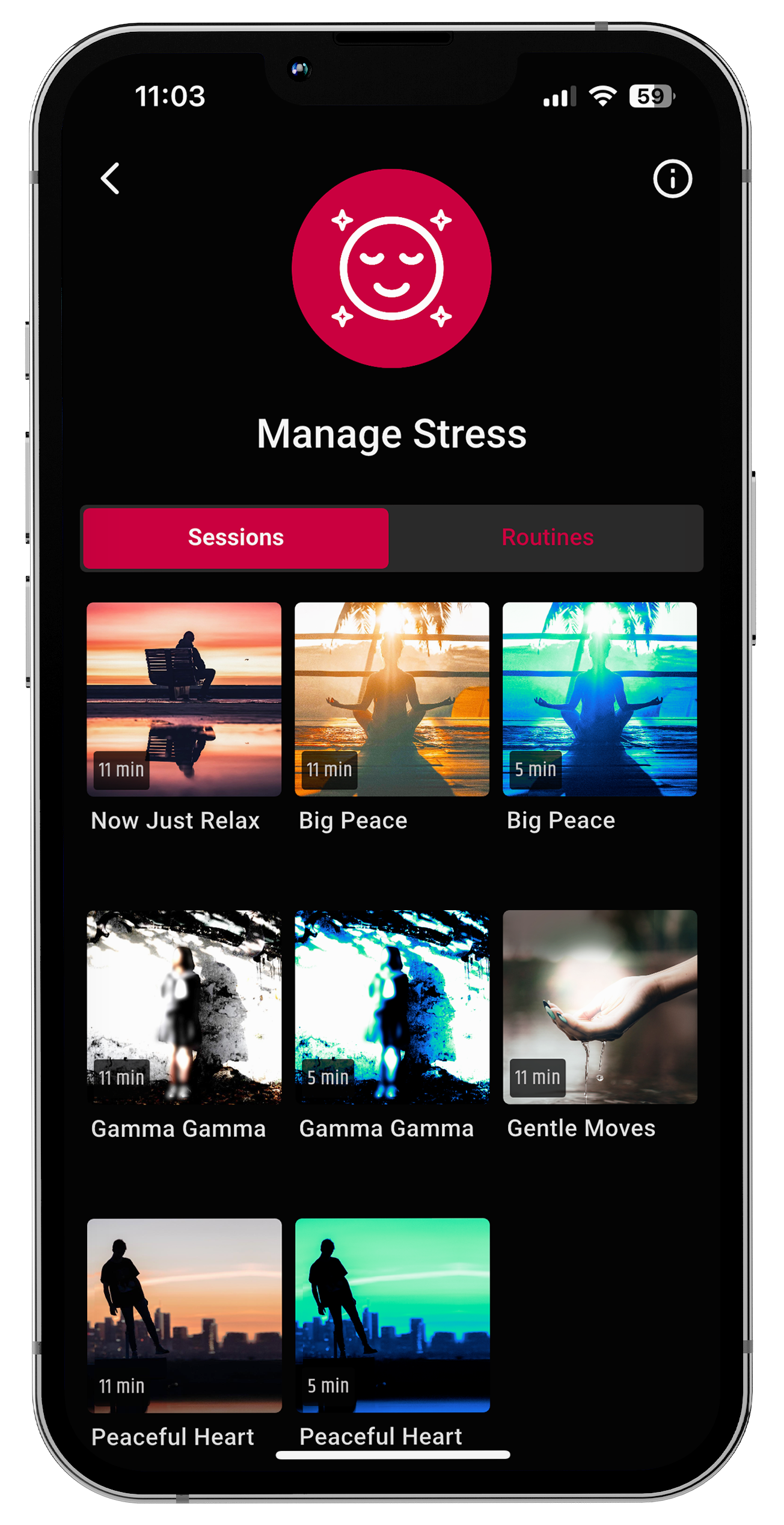
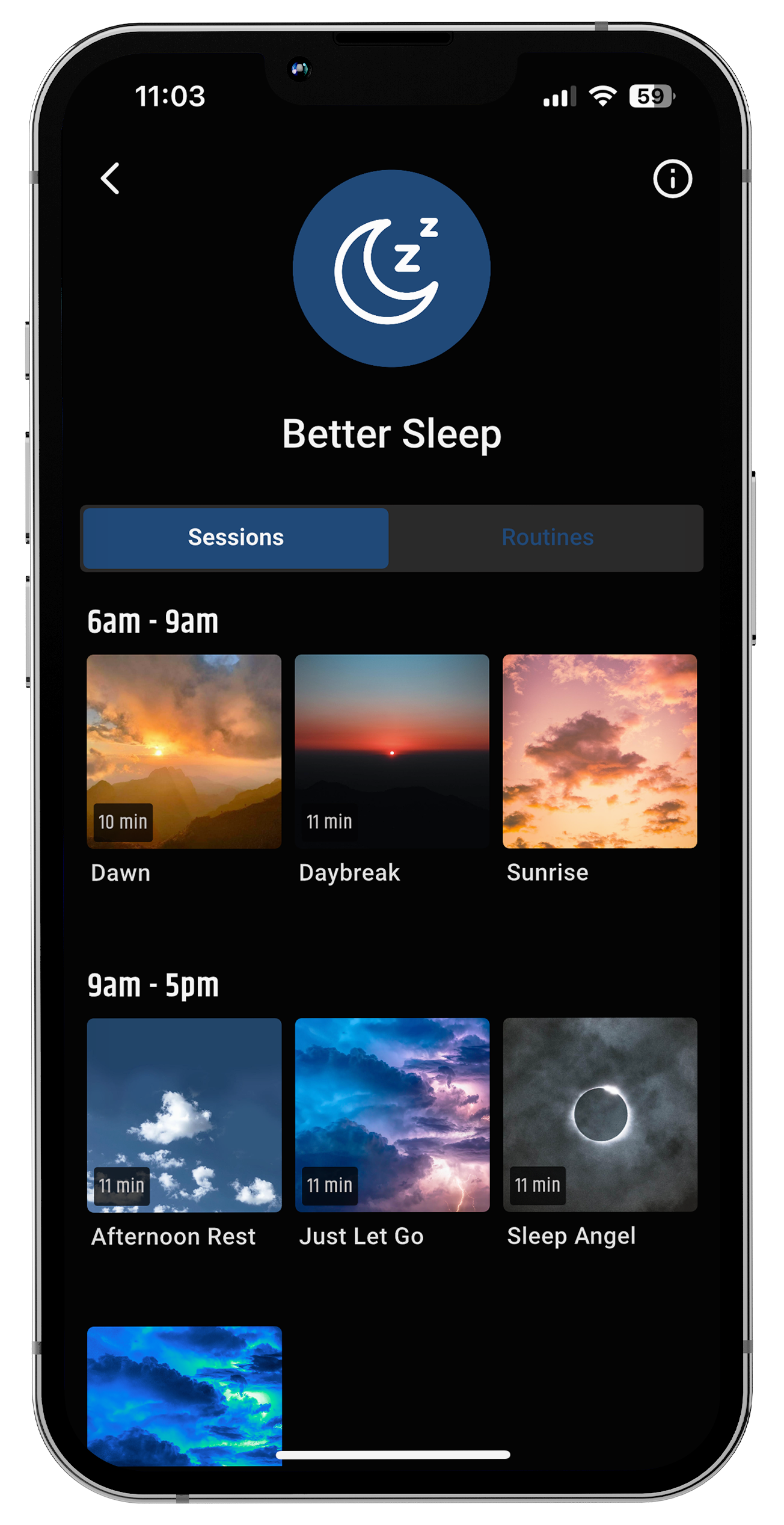
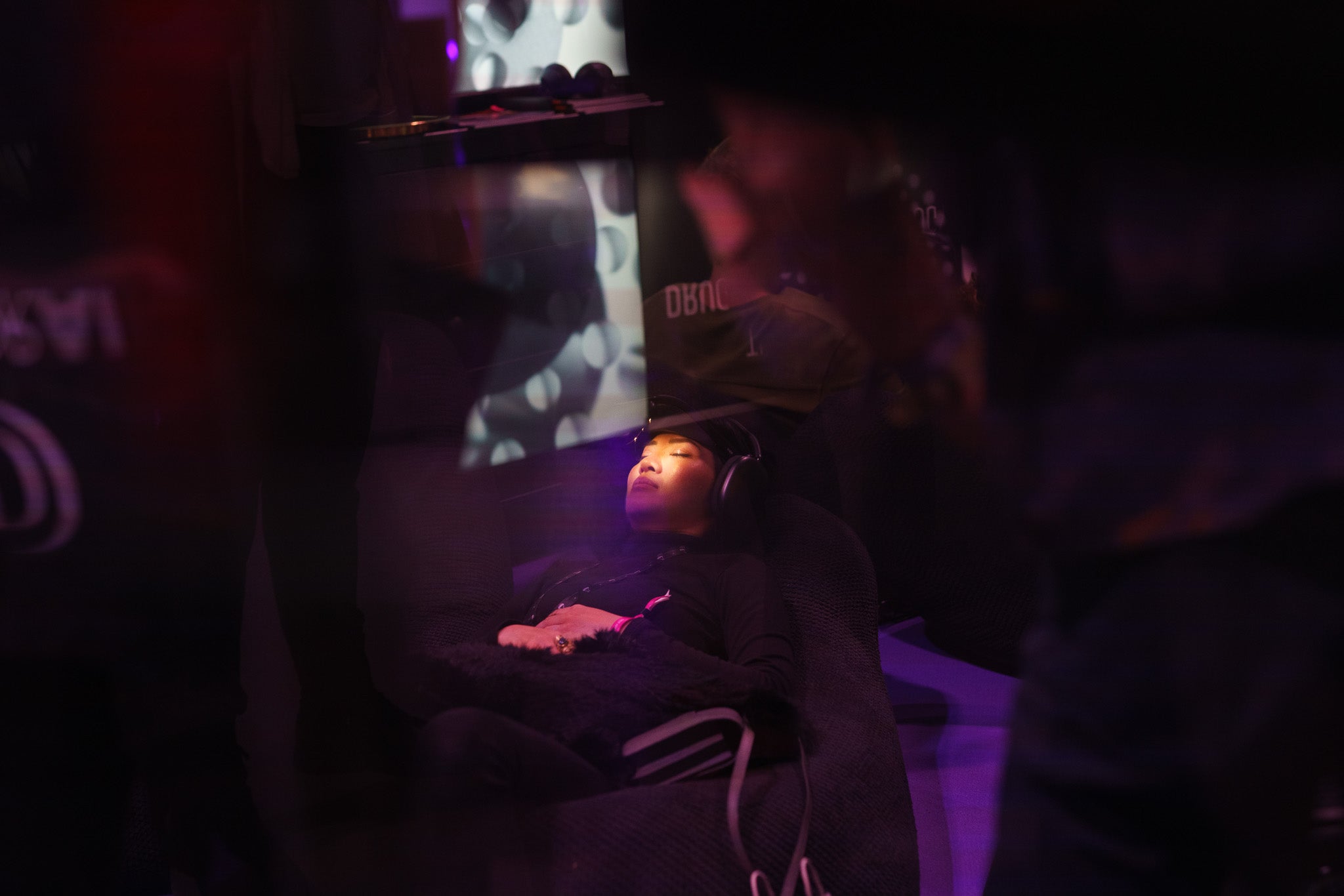
Tools that use rhythmic light and sound patterns can create immersive sensory experiences often associated with relaxation and focused attention. These are designed as wellness tools that may support moments of calm within daily routines.
How Sensory Experiences May Support Relaxation
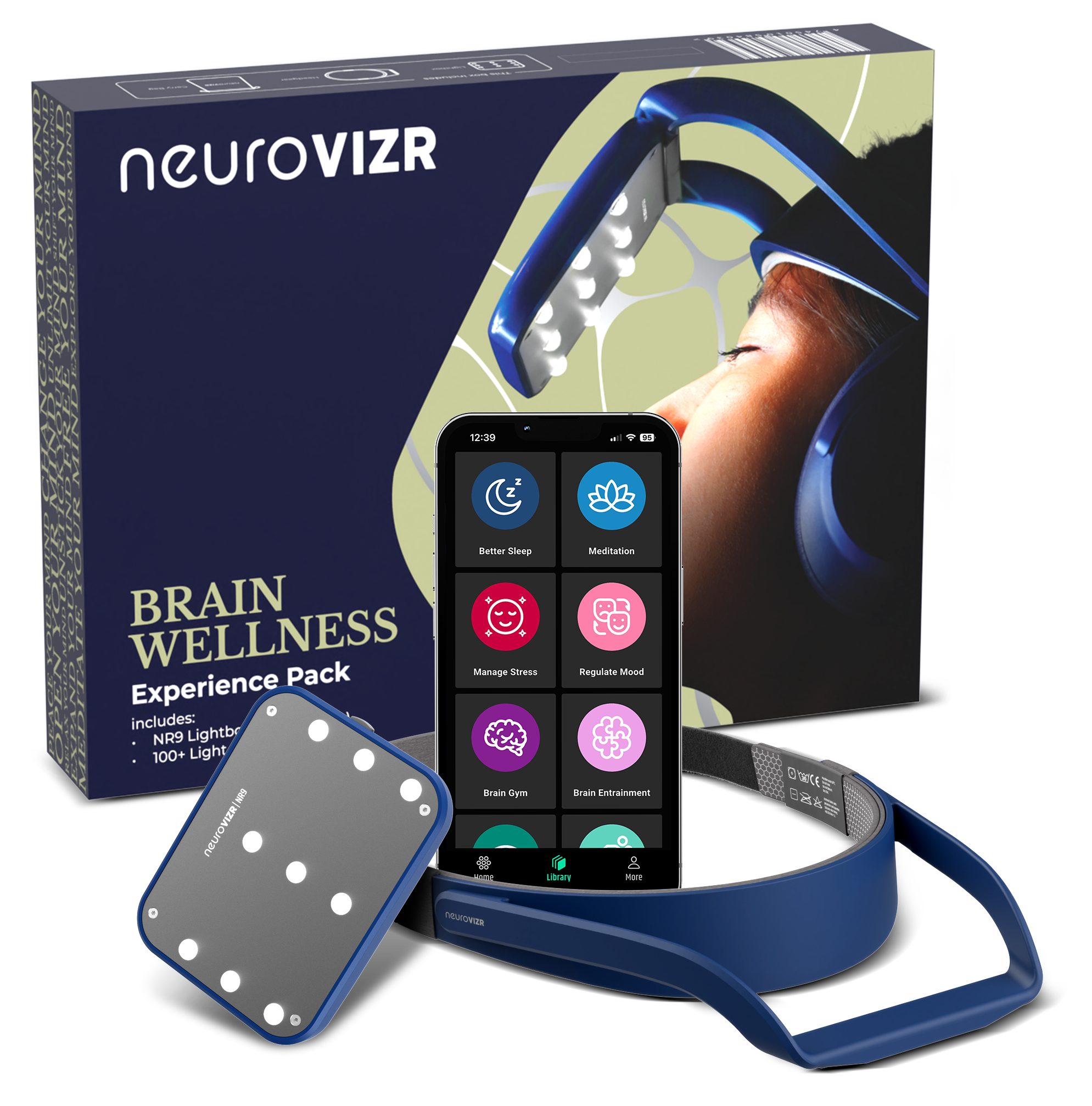
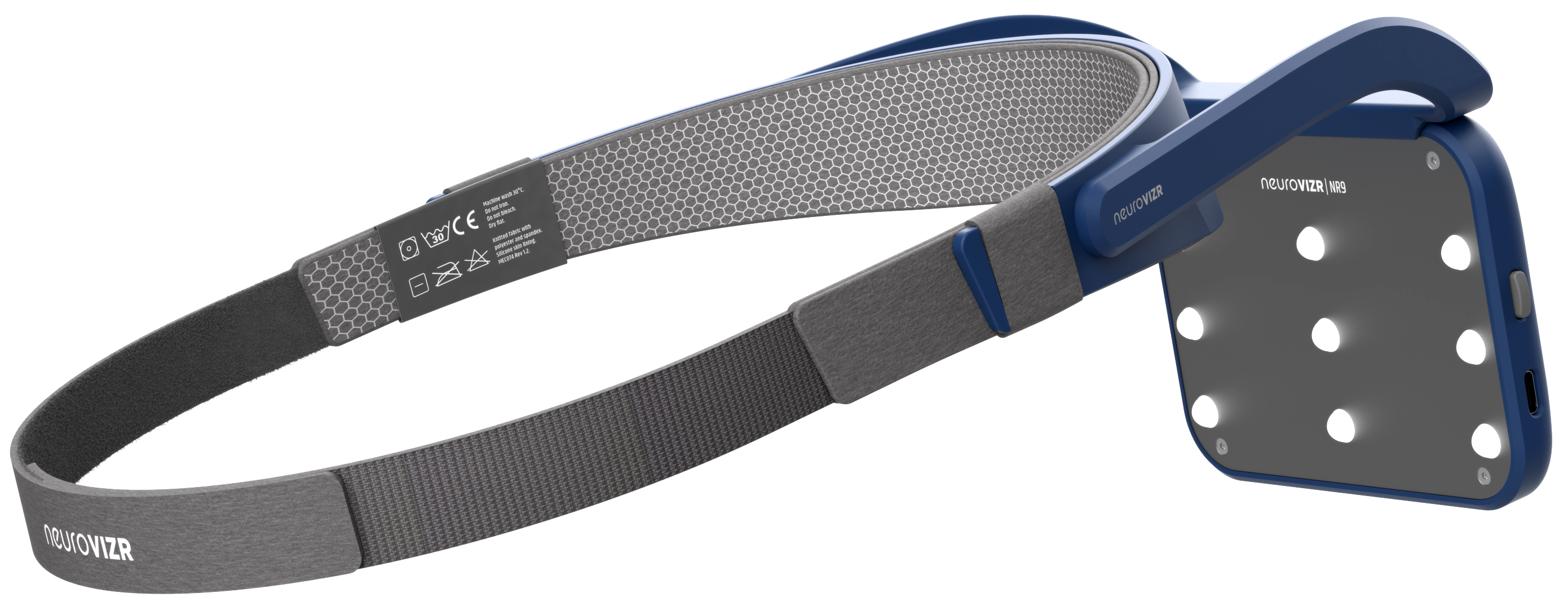
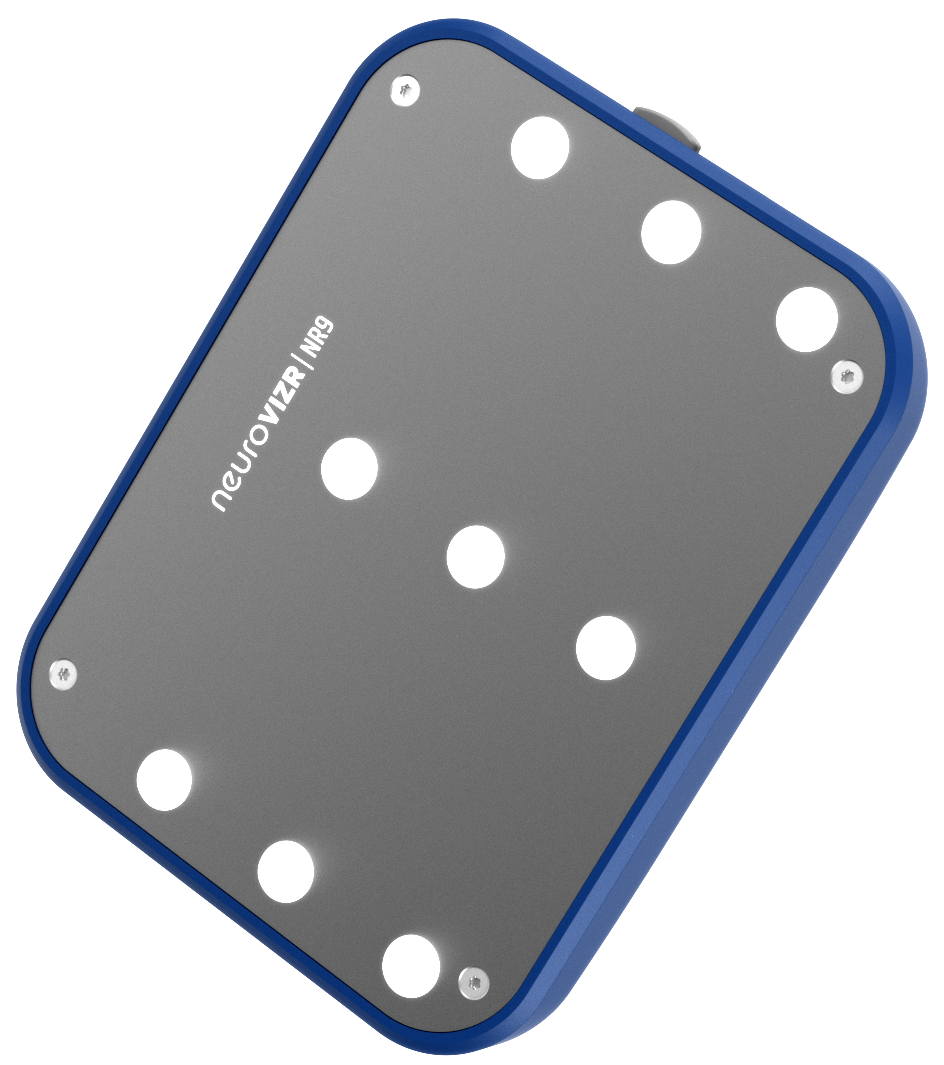
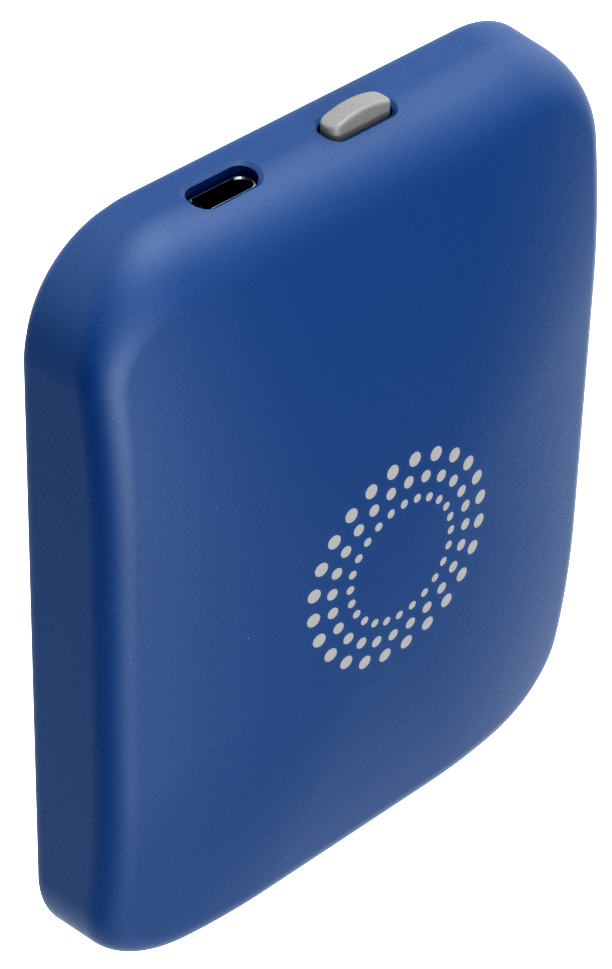
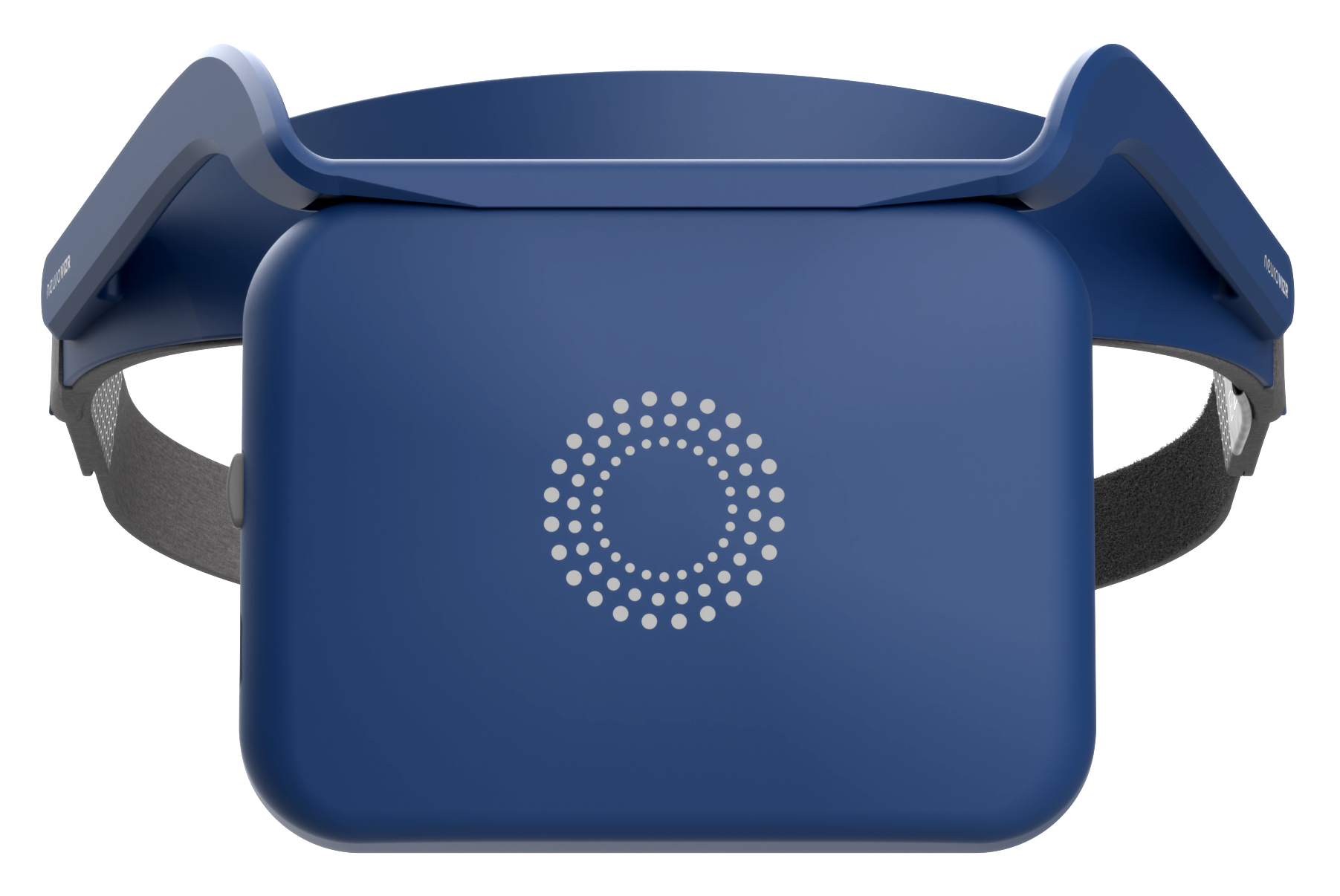
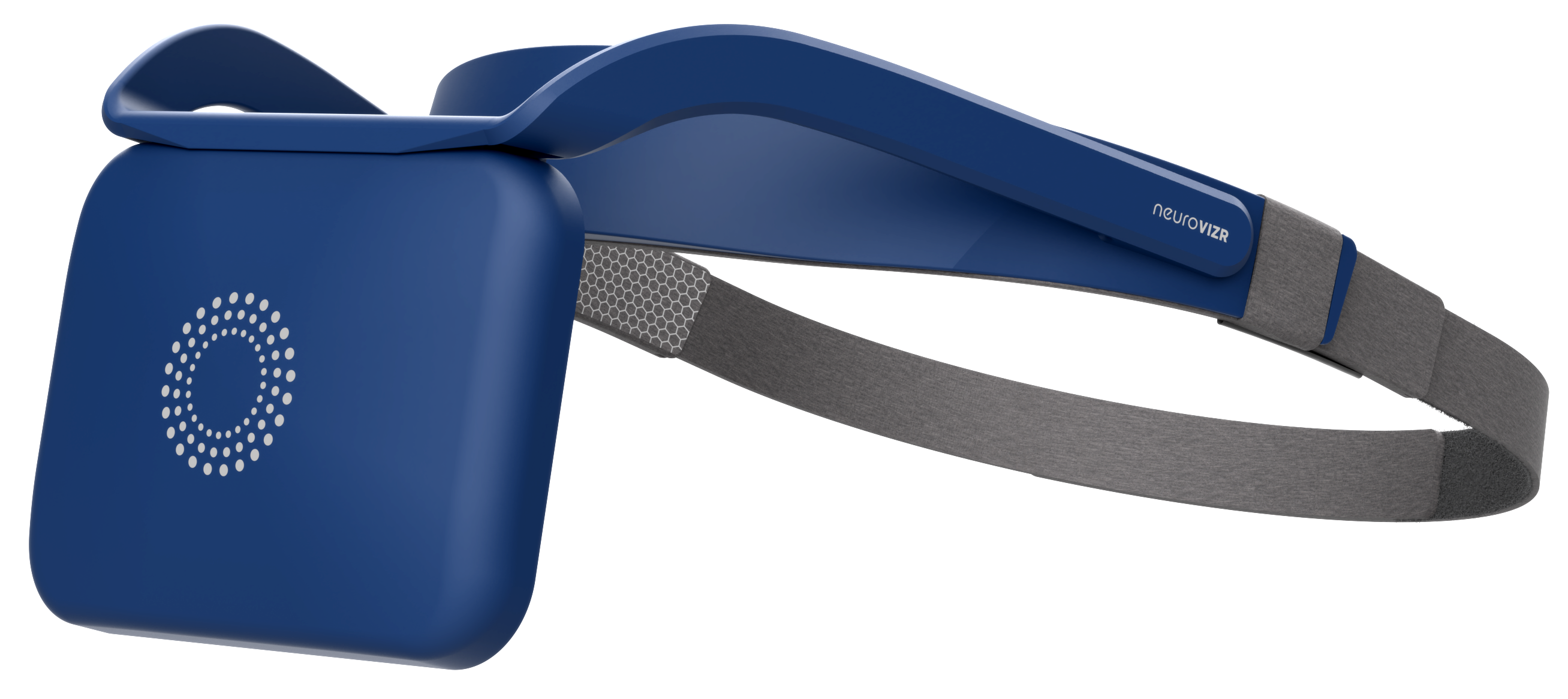
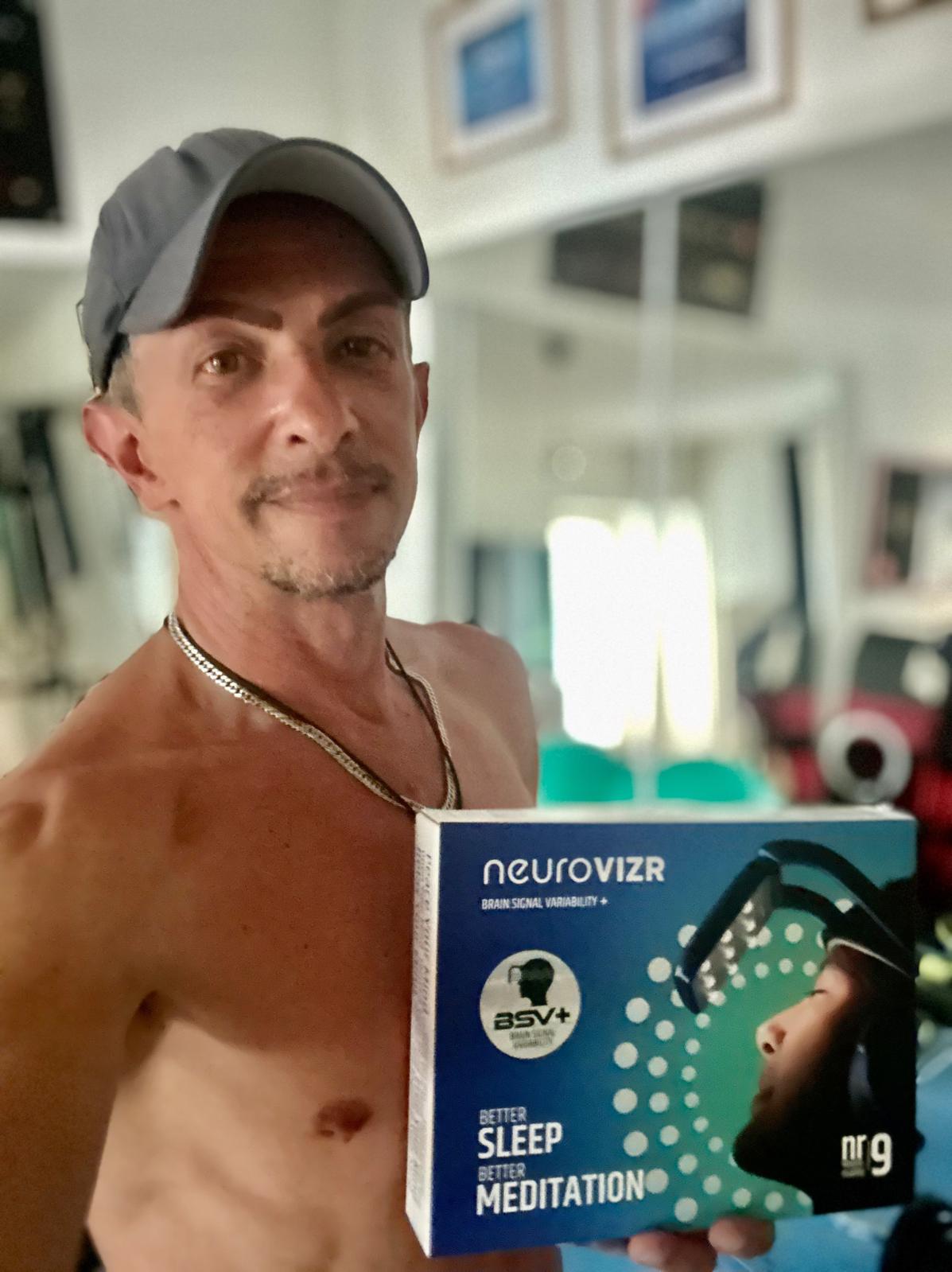
Devices that use structured light and sound patterns, such as neuroVIZR, are designed to create immersive environments that encourage relaxation and mindful awareness.
They may help users:
-
Step away from daily overstimulation
-
Create structured relaxation routines
-
Experience moments of calm and focus
These tools are best viewed as part of a broader wellness routine rather than a replacement for professional support.
Key Takeaways
-
Complex PTSD is linked to long-term exposure to challenging experiences
-
Ongoing stress may influence daily habits and overall wellbeing
-
Sleep, lifestyle, and emotional balance all play important roles
-
Supportive routines and guidance can help improve quality of life
-
Sensory relaxation tools may complement mindfulness and wellness practices
Conclusion
Complex PTSD can shape how individuals experience daily life, but it does not define the future. With awareness, supportive routines, and the right guidance, individuals can work toward greater balance and stability.
Focusing on small, consistent steps such as relaxation practices, healthy habits, and supportive environments can make a meaningful difference over time.
Frequently Asked Questions (FAQ)
What is complex PTSD in simple terms?
Complex PTSD is associated with long-term or repeated exposure to stressful or overwhelming situations, which may affect emotional and daily wellbeing.
Can long-term stress affect overall health?
Ongoing stress may influence sleep, energy levels, and daily routines, which can impact overall wellbeing over time.
What are simple ways to support relaxation?
Practices like mindfulness, breathing exercises, structured routines, and sensory relaxation experiences may help create moments of calm.
Are sensory tools helpful for relaxation?
Some individuals use light and sound-based tools as part of their relaxation routines to support focus and calm experiences.








Share:
Limbic Attention Deficit Disorder: What the Theory Suggests and What Science Currently Supports
Is PTSD a Disability?